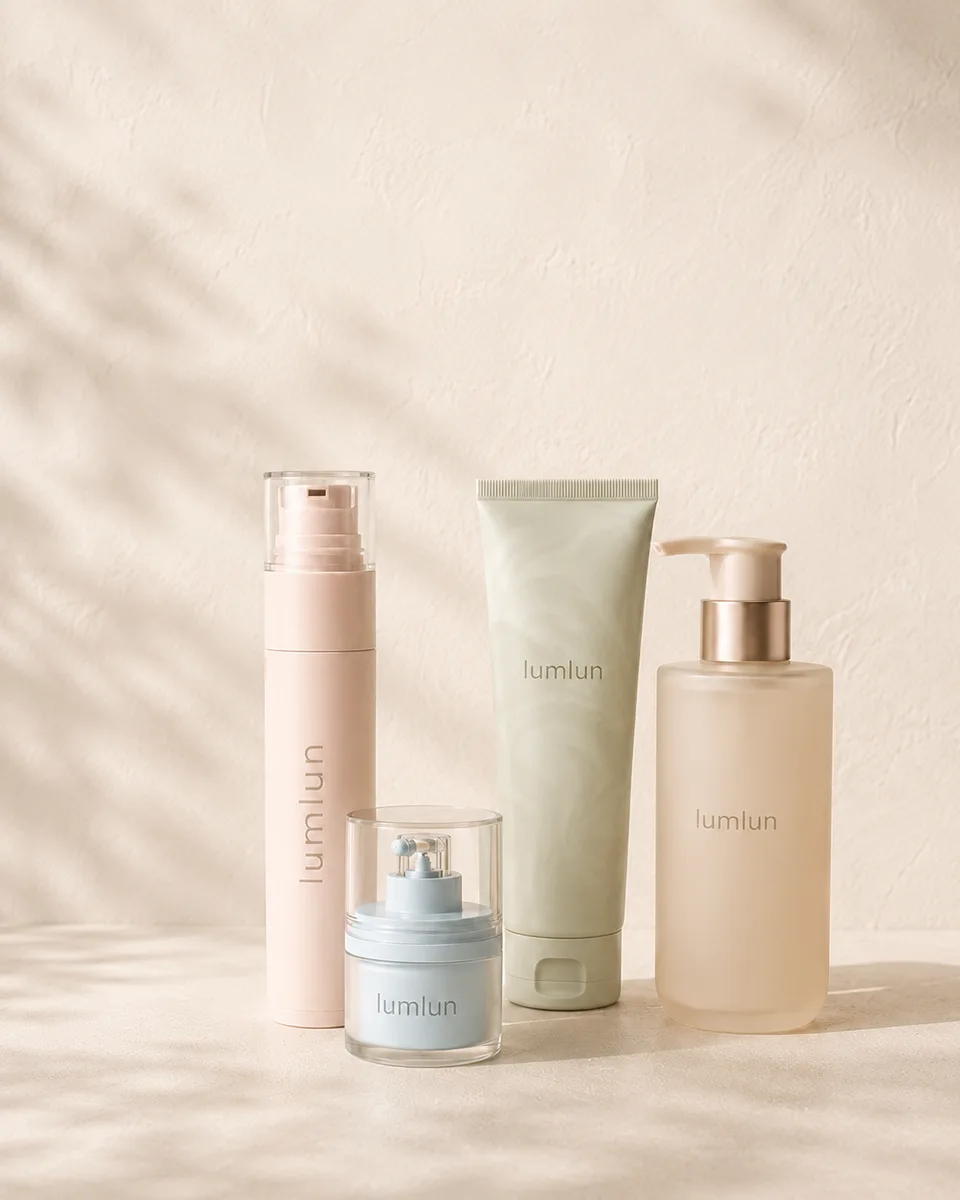
Custom Skincare Packaging Materials, Colors & Finishes
Start with an existing LumLun product or a reference image. We help match a suitable model, capacity, component combination, material and decoration so the packaging looks right, works as intended and stays consistent across the product range.
Turn Your Packaging Vision into a Clear Direction
You do not need to know every material or decoration term before getting started. Share a LumLun product, reference image, logo, approximate capacity or the brand impression you want to create. We will narrow down suitable models first, then confirm the remaining details step by step.
Find the Closest Existing Packaging
Share a LumLun product link, reference image or general visual direction. We first compare similar bottles, jars or tubes, and discuss a custom mold only when no suitable existing model is available.
Outcome: a practical product directionMatch the Model, Capacity & Structure
Compare packaging format, proportions, target capacity, dispensing method and key components to make the practical and visual differences clear.
Outcome: a defined model and component combinationConfirm Material, Color, Logo & Finish
Once the model is selected, confirm the available material, color method, logo position and suitable decoration such as silk screen printing, hot stamping or metallization.
Outcome: a clear visual and decoration directionMove to Samples, Quotation & Planning
Confirm the sample route, then review the physical appearance, component fit and decoration result before quotation and production planning.
Outcome: a clear approval and next-step planPCR, Bio-Based PE, Mono-Material & Refillable Systems
These four directions address different goals: recycled content, renewable feedstock, simplified material structures and a refill experience. This page helps you compare which direction is closer to your brand and product-line needs. Exact percentages, eligible components and supporting documents still depend on the selected model and final project confirmation.
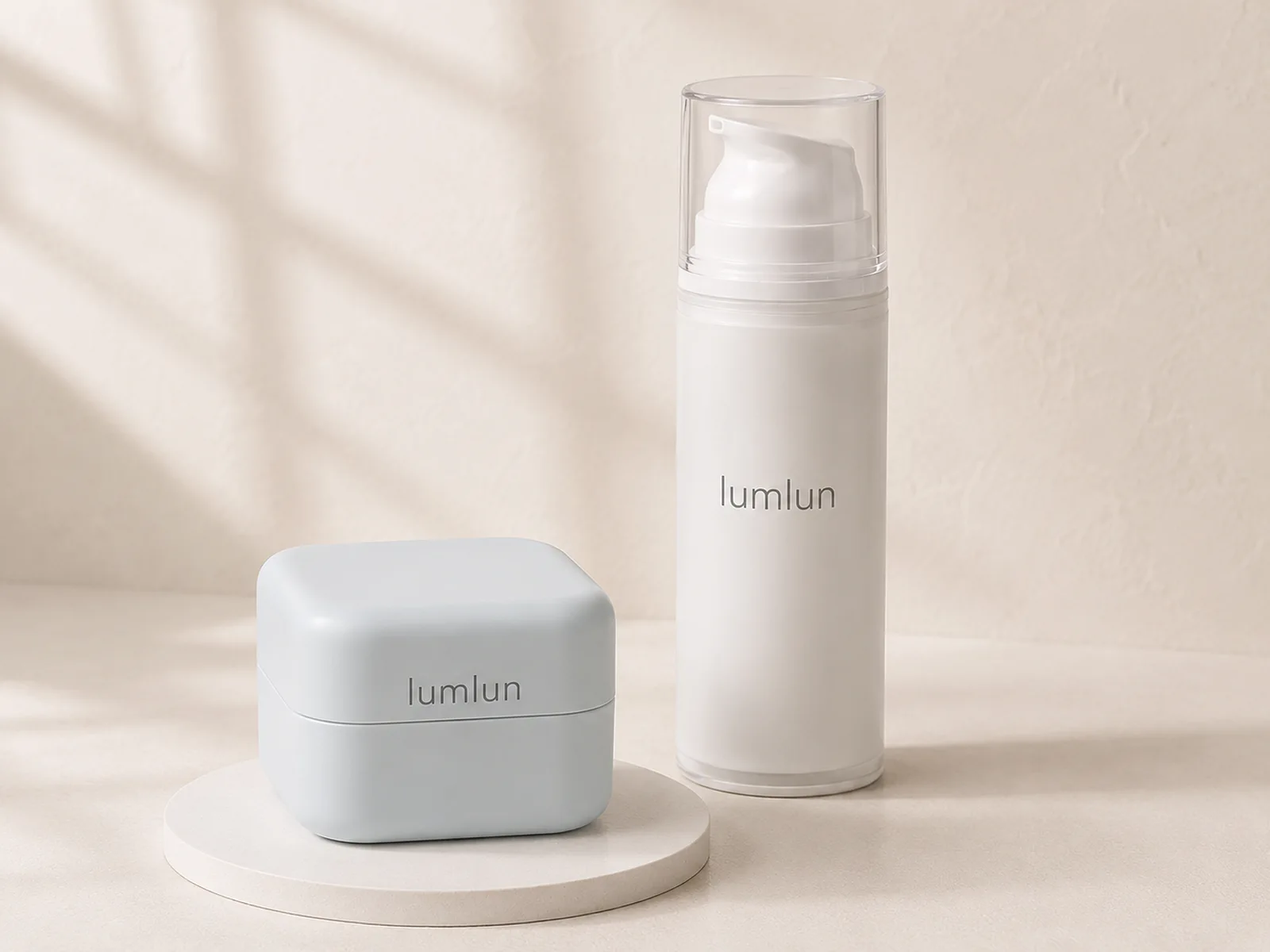
PCR Post-Consumer Recycled Plastic
PCR is suitable for projects that want to introduce a clear recycled-material direction within an existing packaging format while retaining brand colors, logo printing and surface decoration.
A PCR content of 30%–50% can be discussed depending on the specific model. For white, light-colored, semi-transparent or color-sensitive packaging, starting around 30% usually makes it easier to balance recycled content with the intended color, surface appearance and structural performance.
For a higher recycled content: Darker or opaque packaging may be discussed up to 50%, with the final result confirmed through physical color standards and samples.
Read the PCR, Mono-Material & Refillable Airless Packaging Guide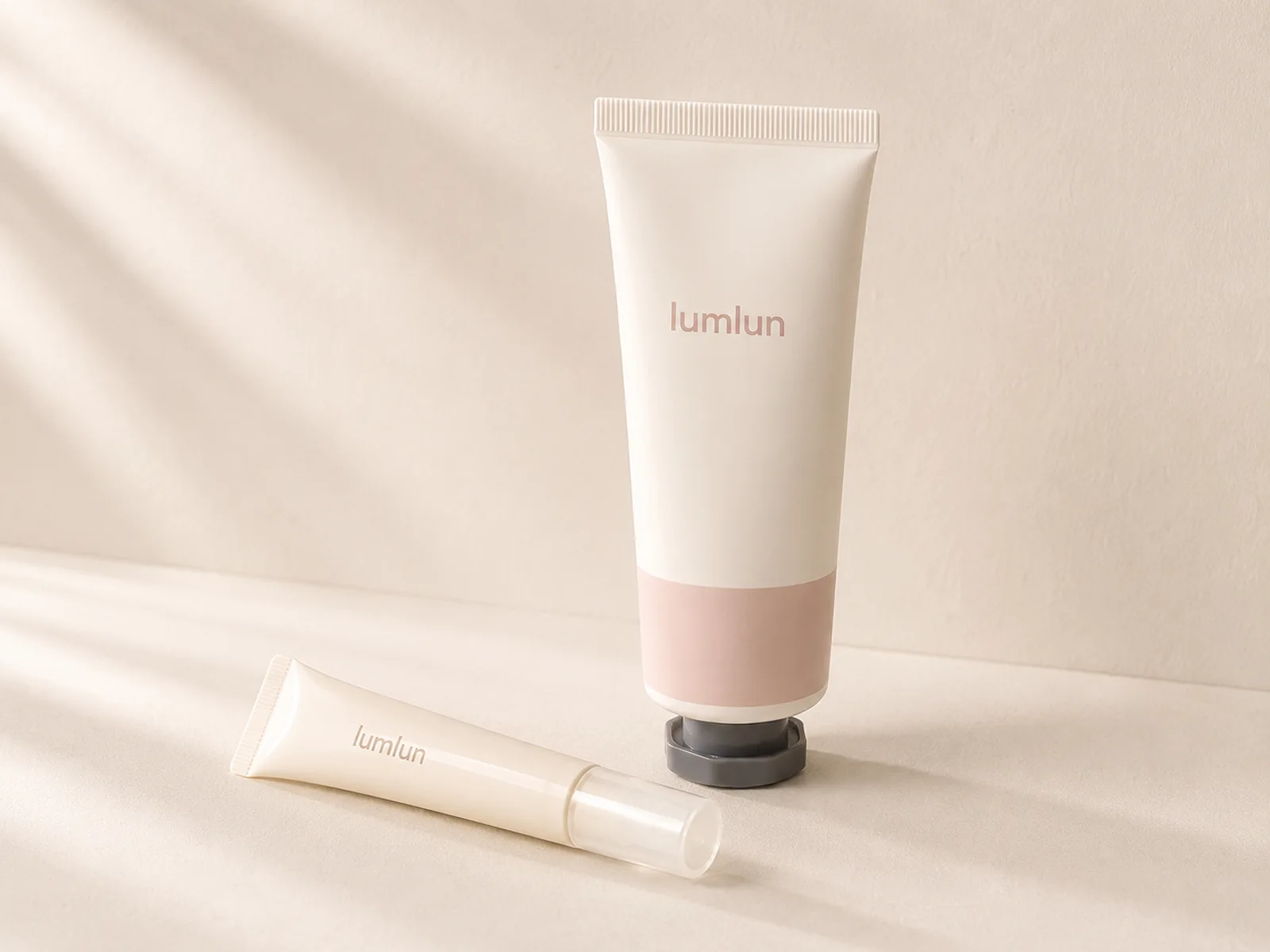
Sugarcane-Derived Bio-Based PE
Bio-based PE is suitable for compatible PE tubes and components, introducing a renewable feedstock direction while retaining common capacities, caps, applicators, colors and printing options.
When a cosmetic tube or another compatible PE component has already been selected, an existing structure can be shortlisted first, followed by confirmation of material content, color, logo and printing.
Further customization: Capacity, cap or applicator, color, logo and printing can be coordinated according to the selected model.
View Cosmetic Tube Products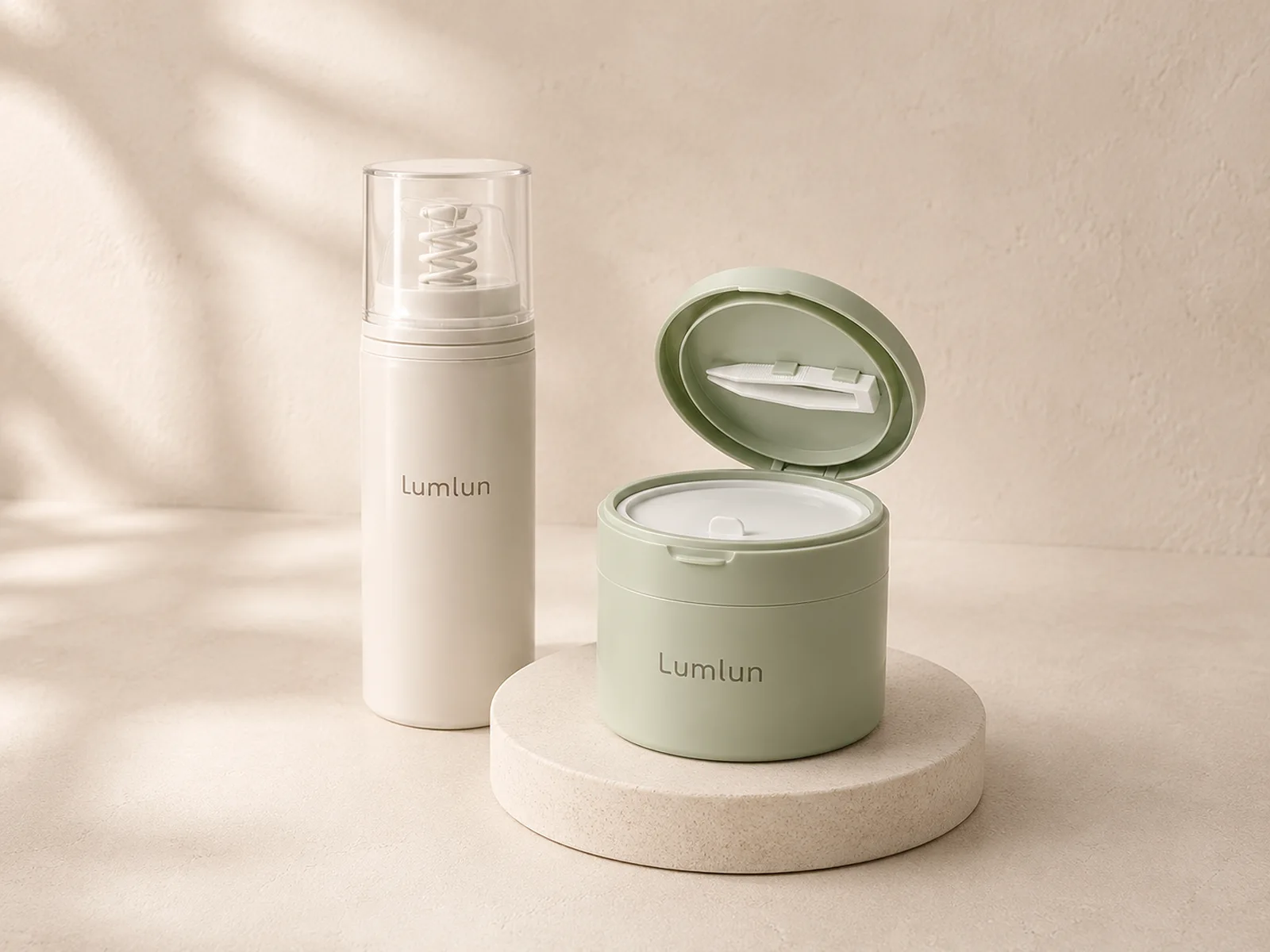
Mono-Material Packaging Direction
A mono-material direction is suitable for projects seeking to simplify the main material combination. For confirmed all-PP models, components such as the bottle, pump and spring can be designed around the same primary material system.
After selecting an actual mono-material model, capacity, brand color, logo and printing can still be developed so the material direction remains coordinated with the visual identity of the range.
Selection basis: Use the complete component structure of the specific product as the basis, then confirm the available colors and decoration methods.
View Airless Bottle & Jar Products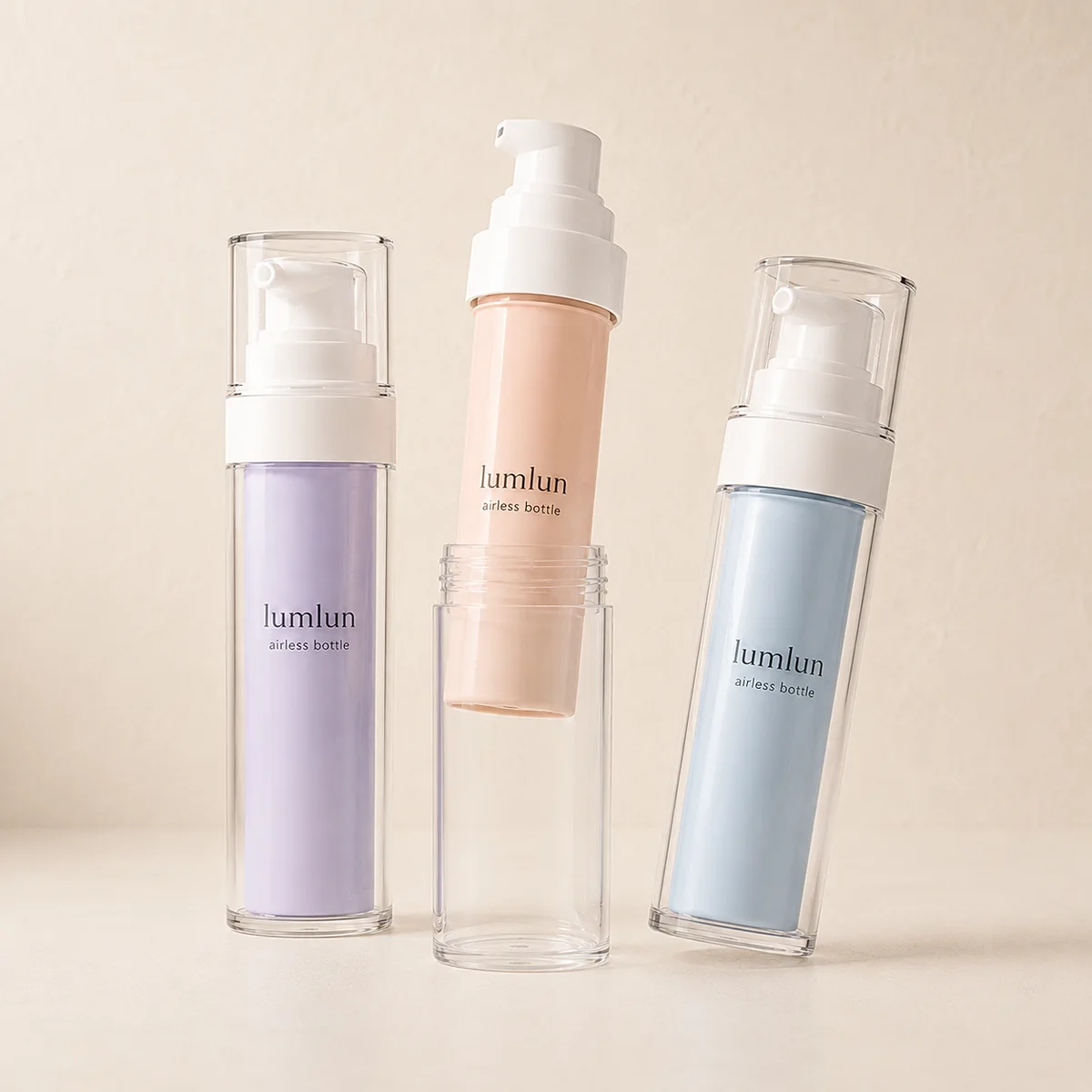
Refillable Packaging with a Replaceable Inner Bottle
This is a refillable packaging system: the reusable outer pack is retained while a compatible inner bottle, inner jar or cartridge is replaced. “Refillable” and “replaceable” do not describe two separate systems; the replaceable part is a component within the refill system.
Skincare lines planning linked full-size and refill SKUs, where a premium outer pack continues to carry the main color, logo and surface finish.
Confirm: How the inner bottle or inner jar is installed, outer-pack durability, component compatibility, refill identification and the repeat-purchase path. “Replaceable inner bottle” or “cartridge” describes the replaceable component within the system.
View Refillable Airless PackagingFour Customization Choices That Are Often Confused
None of these choices is automatically better than another. Start with the color coverage, logo appearance, metallic effect and gloss level you want, then confirm the option against the actual material, surface curvature, decoration area and physical sample.
Molded-In Color vs. Spray-Coated Color
Molded-In Color Color is mixed into the plastic resin before molding, so it becomes part of the material itself. It is suitable for overall brand coloring on moldable components;Spray-Coated Color a coating is applied after the component is formed, making it more suitable for specific colors, matte or glossy effects, partial coverage or gradients. The choice depends on the material, component structure, target gloss and sample result.
Silk Screen Printing vs. Hot Stamping
Silk Screen Printing is suitable for clear logos, product names and standard brand colors;Hot Stamping is suitable for localized metallic logos or lines in gold, silver, champagne gold and similar tones. The two can be combined: silk screen printing carries clear information, while hot stamping creates a visual focal point.
Hot Stamping vs. Metallization
Hot Stamping is used for logos, text and localized details;Metallization is used to create a more continuous metallic appearance on pumps, caps, collars or outer shells. Choose hot stamping for a small focal detail; consider metallization when the entire component should appear metallic.
Matte vs. Glossy
Matte reduces reflection and creates a softer, quieter and more tactile appearance;Glossy increases color saturation, contour definition and reflection. Review product photography, everyday handling, logo contrast and gloss consistency across the complete SKU range before deciding.
Choose Color and Decoration by Brand Positioning
First define what consumers should feel at a glance, then choose the material, color and finish. The directions below are starting points for narrowing the options, not fixed formulas. Final decisions should still be confirmed against the actual packaging model, logo and complete product range.
Premium Skincare & Serum Lines
Brand impression: refined, restrained and designed for long-term use.
Consider: a glass-like or thick-wall appearance, dark or neutral colors, a matte main body, and restrained hot-stamped or metallized details.
Confirm: that metallic details do not overpower the logo; also review reflections, fingerprints and readability on smaller packs.
Clean, Minimal & Ingredient-Led Lines
Brand impression: clear, dependable and free from unnecessary decoration.
Consider: warm white, neutral or low-saturation colors, matte or frosted textures, clear silk screen printing and fewer decoration layers.
Confirm: that the logo, product name and key information remain clear, and that the material direction supports the visual message.
Youthful, Energetic & Social-First Lines
Brand impression: fresh, noticeable and easy to recognize in imagery.
Consider: brighter molded-in or spray-coated colors, gradients, glossy finishes and a color system that distinguishes SKUs.
Confirm: that visual impact does not become visual clutter; thumbnails, logo contrast and range consistency should remain clear.
Calm, Soothing & Spa-Inspired Lines
Brand impression: soft, relaxing and tactile.
Consider: warm white, beige, soft natural colors, low-reflection surfaces and coordinated rounded components.
Confirm: everyday handling, cleaning, photography and coordination across different capacities, not only the soft visual impression.
Multi-SKU & Long-Term Product Ranges
Brand impression: every product belongs to the same brand while its use or sub-range remains easy to identify.
Consider: a consistent logo baseline, typography, primary color and component gloss, with capacity, localized color or one focal decoration used to distinguish SKUs.
Confirm: the complete group rather than one sample in isolation; review bottles, jars, tubes, pumps and caps together in both physical samples and imagery.
Custom Colors, Logo Printing & Surface Finishes
This section covers molded-in color, silk screen printing, hot stamping, metallization, gradients, matte, glossy and hydrographic finishes. Choose a direction based on the brand effect you want to create, then confirm it against the actual material, curved surface, decoration area and physical sample.
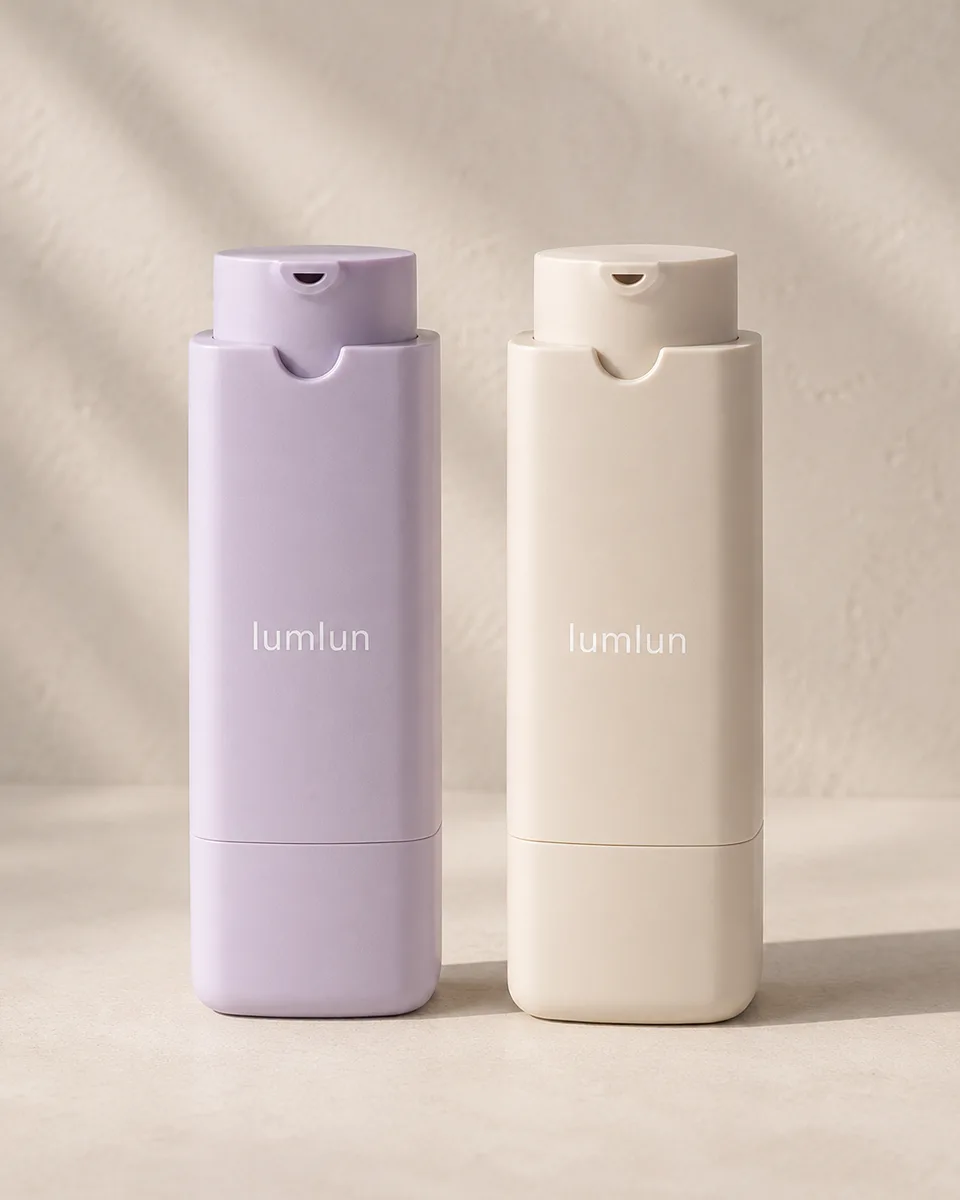
Molded-In Color
Molded-in color is mixed into the plastic resin before injection molding, making the color part of the component itself. It is suitable for overall brand coloring on bottles, jars, caps and other moldable components.
Confirm: the plastic type, surface texture and gloss will affect the final color; confirm it against the target color standard and physical sample.
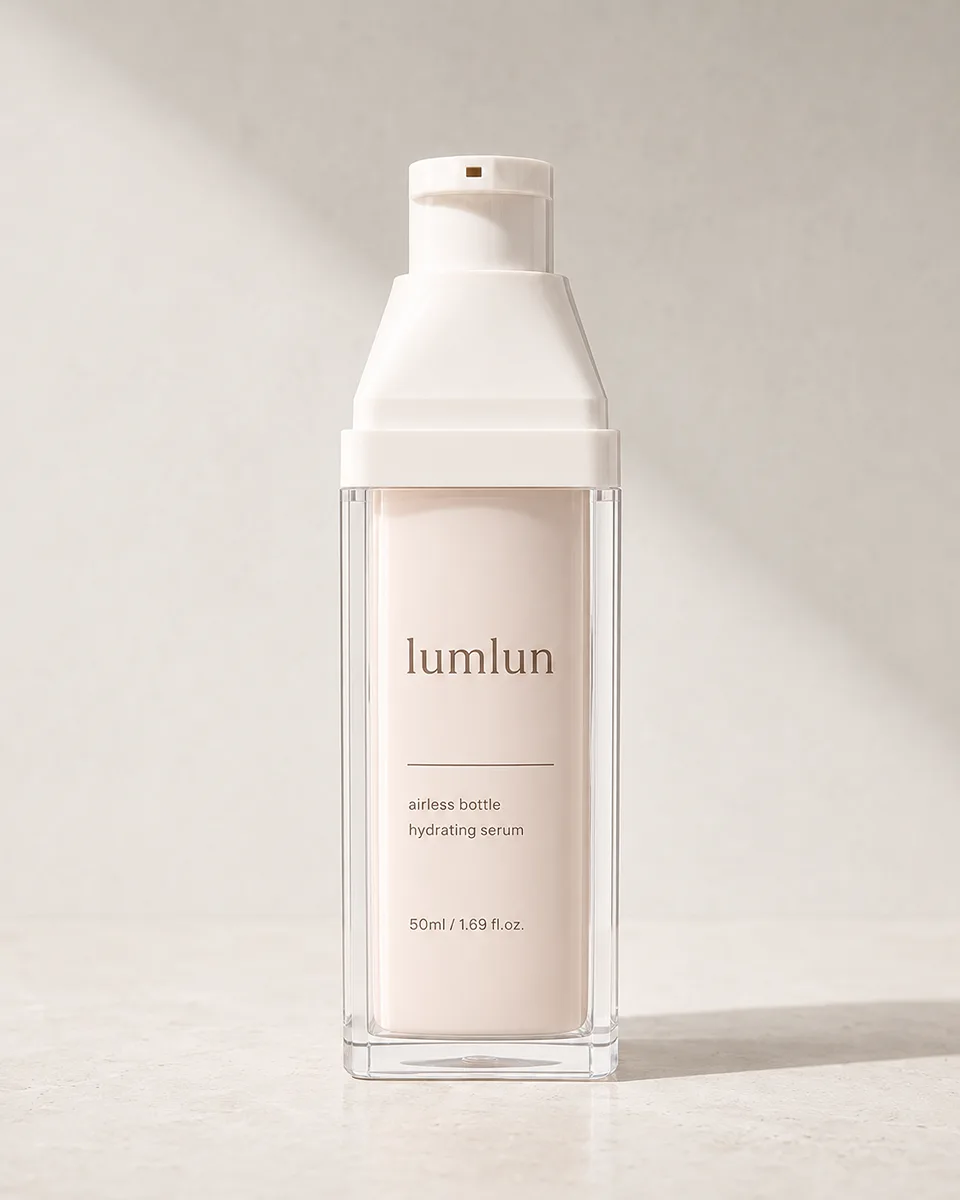
Silk Screen Printing
Silk screen printing is suitable for clear logos, product names and simple graphics. It can reproduce standard brand colors while keeping front-panel information clean and easy to identify.
Confirm: the printable area, curvature, artwork line weight, number of colors and readability on the smallest capacity.
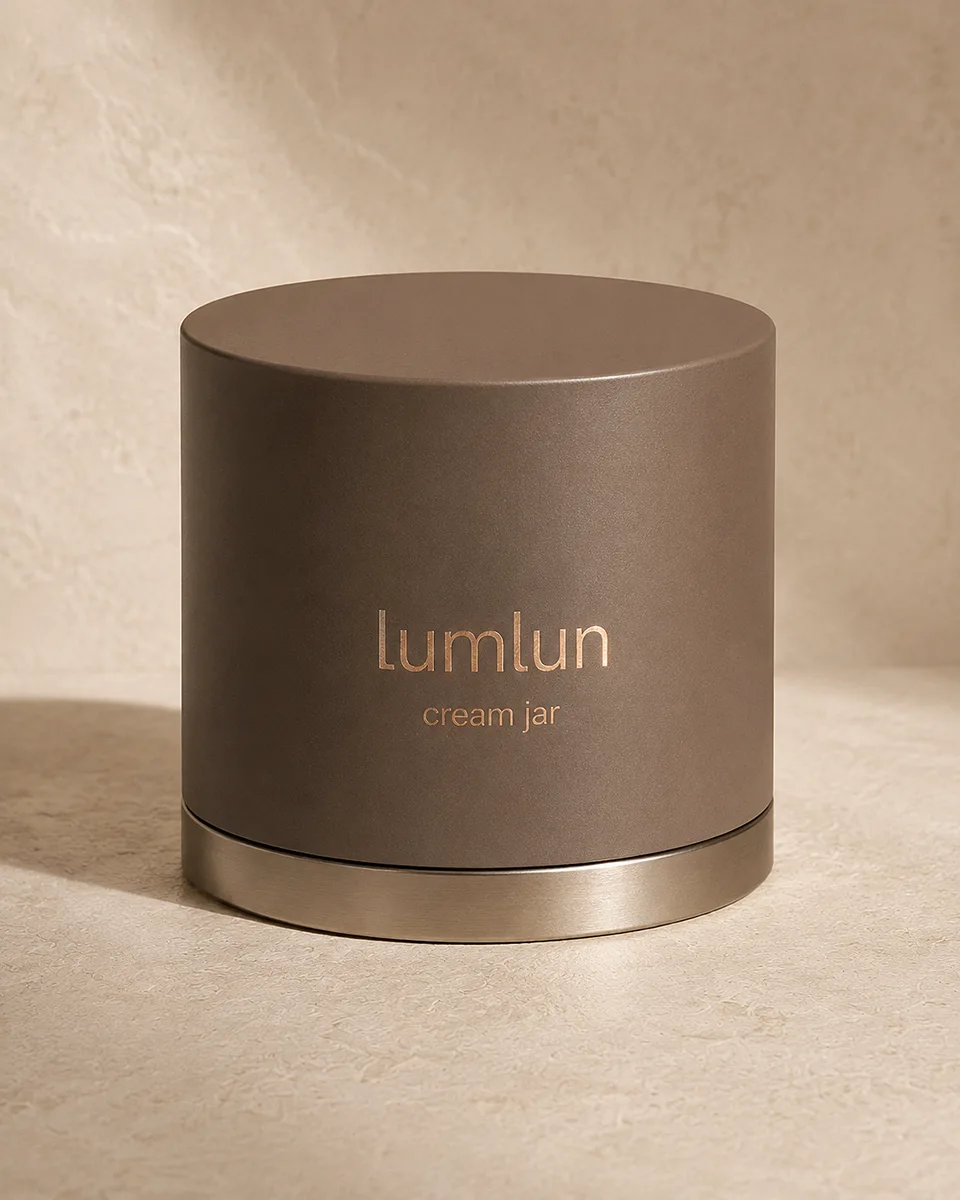
Hot Stamping
Hot stamping adds gold, silver, champagne gold or other metallic foil effects to logos, lines and localized graphics, creating a clear visual focal point for the brand.
Confirm: keeping the metallic effect focused on the logo or key details, then confirming area, position, curvature and adhesion on the sample.
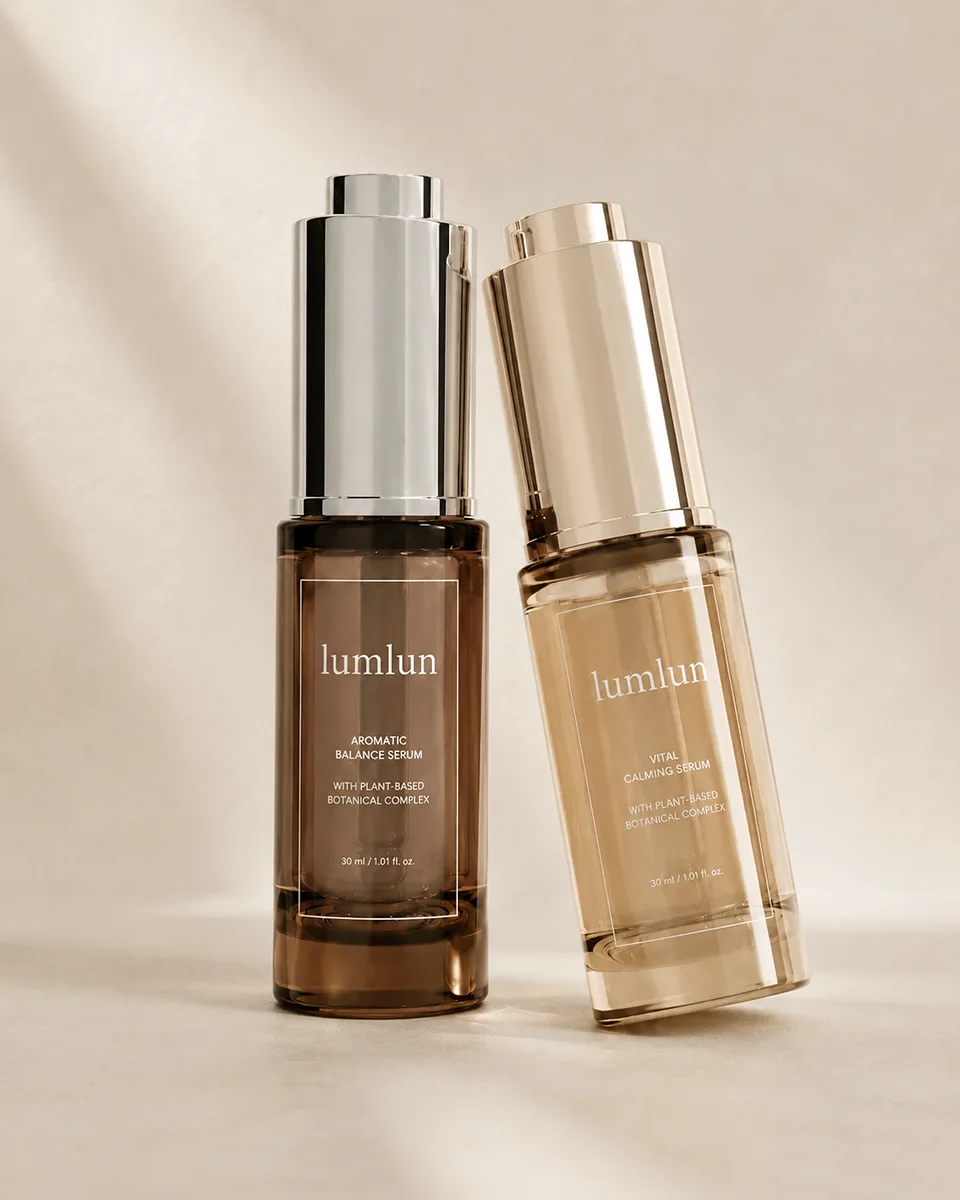
Metallization
Metallization is suitable when a pump, collar, cap or outer shell requires a continuous metallic appearance, creating a complete component effect in silver, champagne gold, gold and related tones.
Confirm: the metallic tone, coverage area, relationship with the main body color, and reflections during handling and photography.
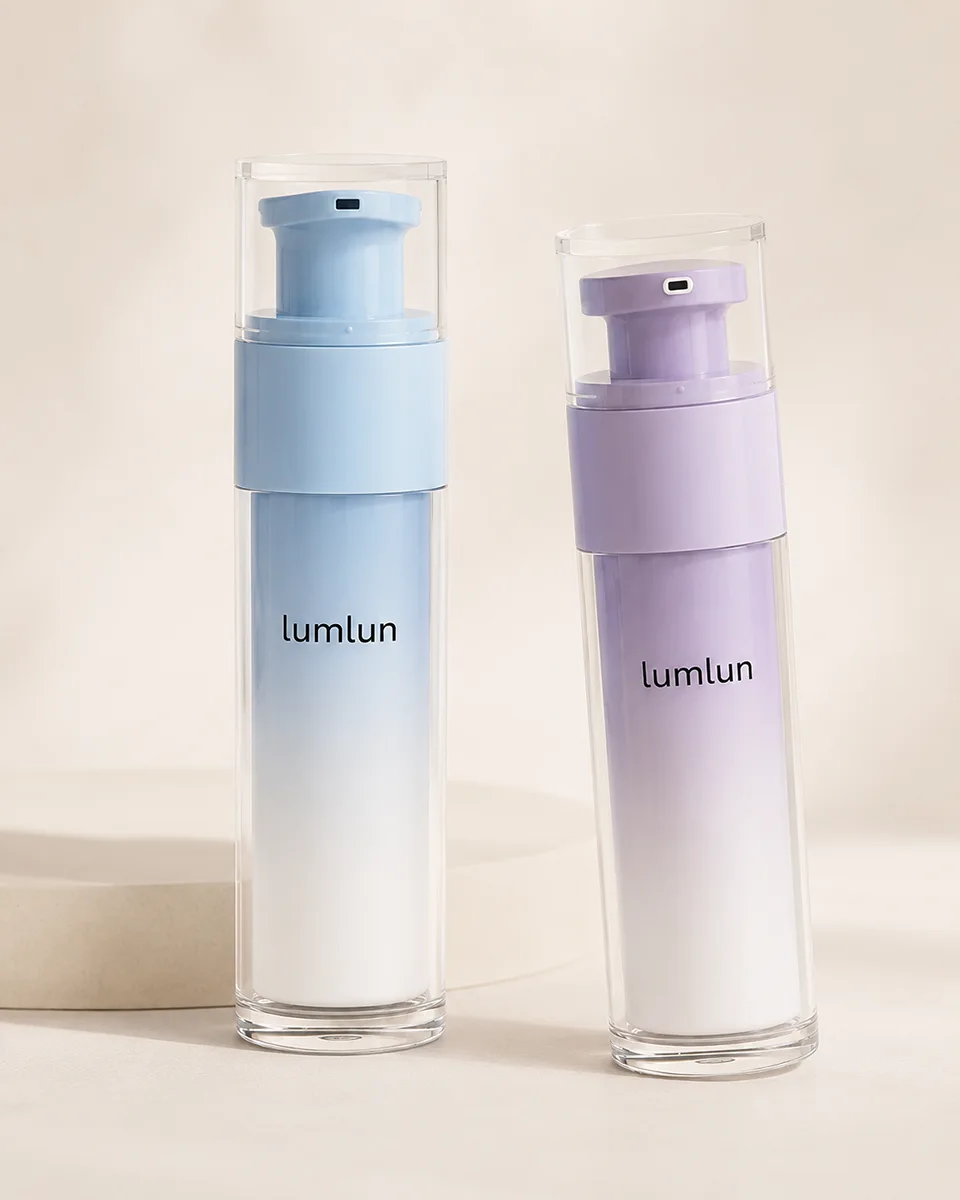
Gradient Color Effect
A gradient is suitable for packaging that needs a color transition, transparent layering or a soft multi-color effect. The color ratio can be adjusted to the pack height, curvature and logo position.
Confirm: the gradient direction, start and end points, transparency, logo contrast and consistency across different capacities.
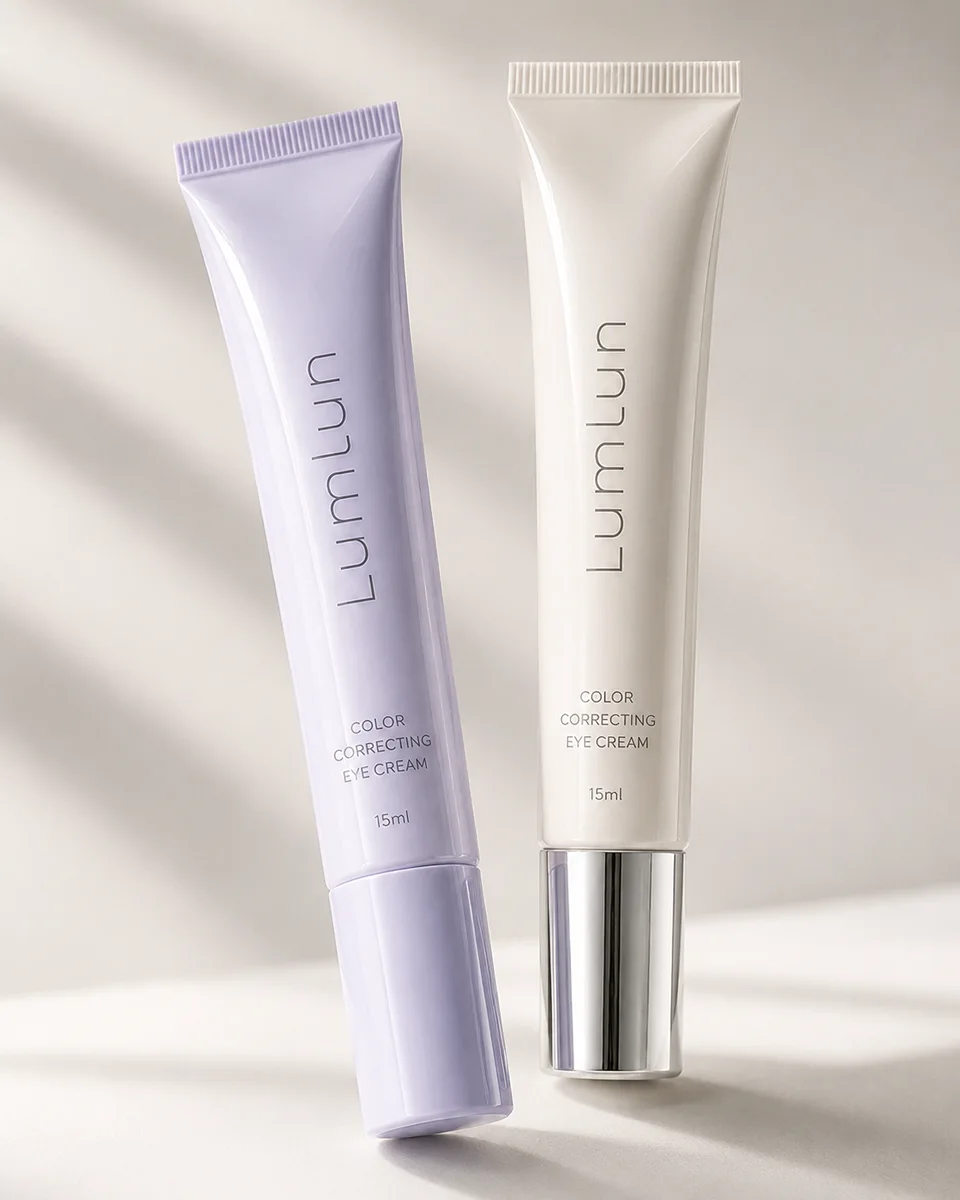
Glossy Finish
A glossy finish increases reflection, color saturation and contour definition, creating a brighter, cleaner and more vivid appearance.
Confirm: highlights, fingerprints, reflections in product photography, and the clarity of printing or labels on the glossy surface.
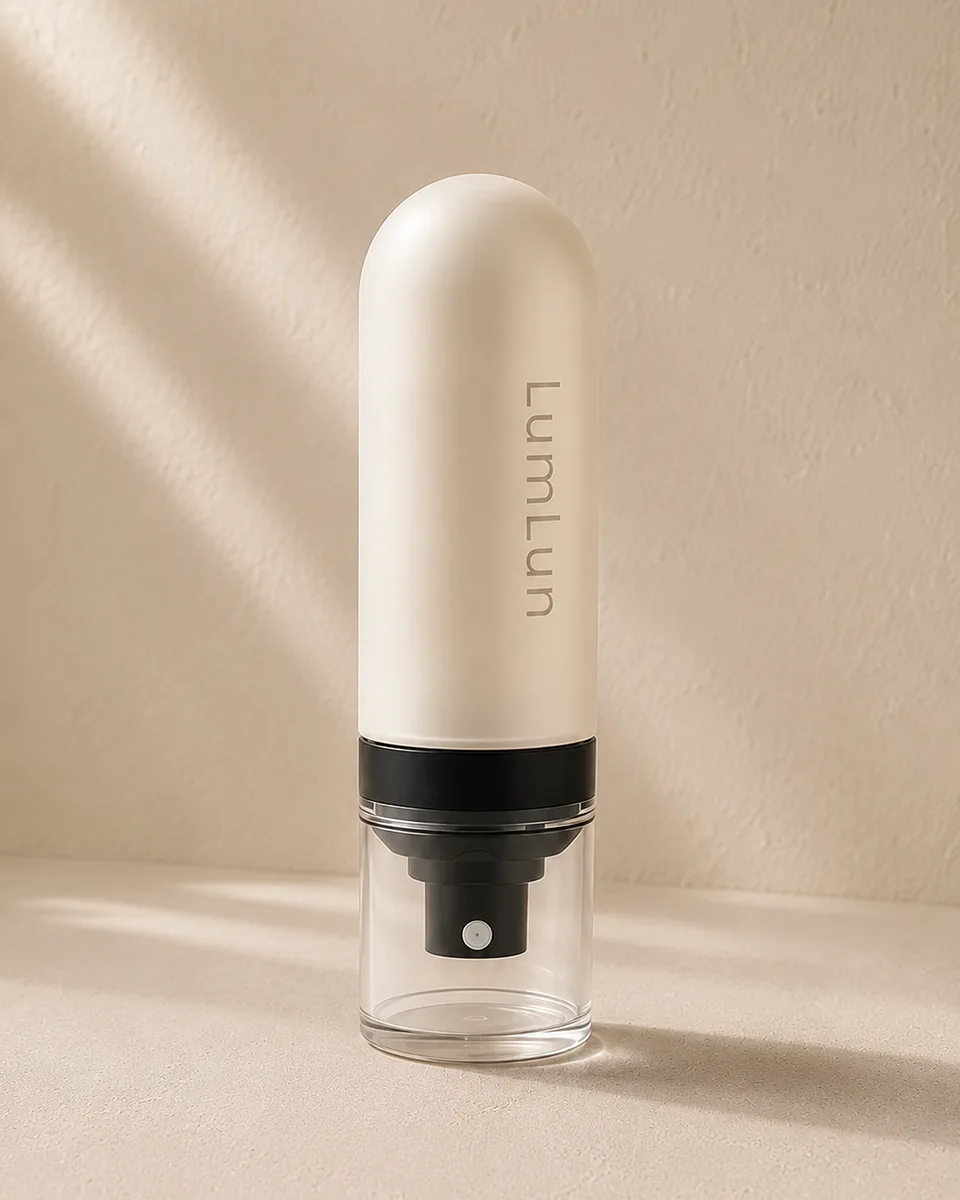
Matte Finish
A matte finish softens reflections and creates a refined, quiet and more tactile surface. It works well with warm whites, light colors, neutrals and low-saturation palettes.
Confirm: the degree of matte, tactile feel, dust or rub marks on dark surfaces, and logo adhesion and contrast.
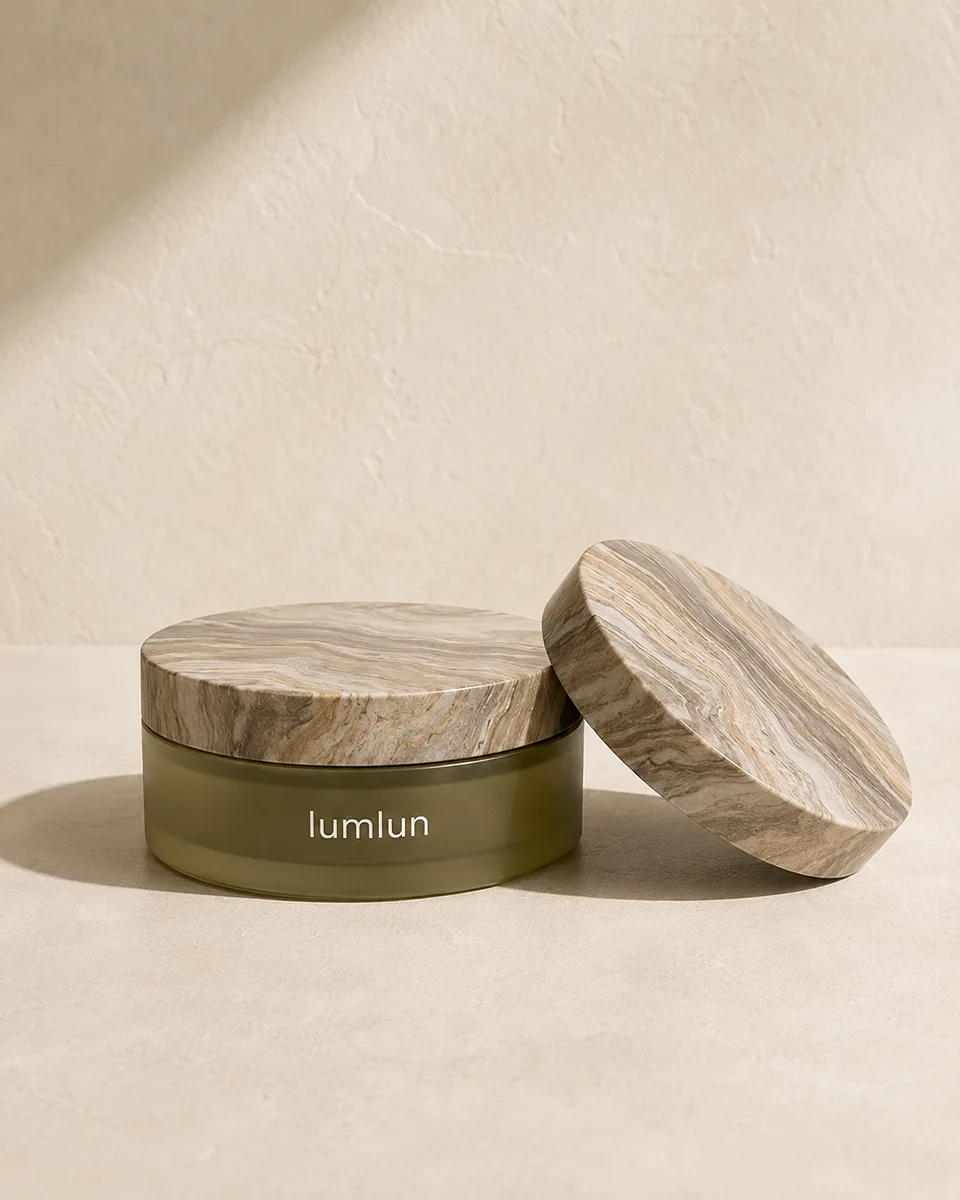
Hydrographic Printing
Hydrographic printing can create marble, woodgrain and other continuous patterns on compatible curved surfaces, caps or outer shells, giving standard components a more distinctive decorative identity.
Confirm: pattern scale, seam position, orientation, fit on curved surfaces and the protective topcoat result.
Keep Bottles, Jars, Tubes & Components in One Design Language
Different packaging materials and sizes do not need to look identical, but they should share a clear color relationship, logo system and decoration hierarchy so new products can join the range naturally.
Coordinate the Primary Brand Color with Physical Samples
The same color reference can appear with different gloss levels on plastic, glass, tubes, pumps and caps. Coordinating the color relationship with physical samples is more reliable than reviewing a digital color chart alone.
Adjust Logo Scale to the Pack Size
Logo size can be adjusted for different capacities, while the visual baseline, spacing and key information positions remain consistent, making the complete range easier to recognize.
Use One Main Effect with One Focal Detail
Set the overall tone with color, matte or glossy finish, then create a focal point with silk screen printing, hot stamping or metallization for a clearer visual hierarchy.
Review the Physical Group and Product Photography Together
Place different SKUs together during sample approval and review them under real lighting and in photography. This helps identify inconsistencies between colors, logos and components earlier.
Customize an Existing Model or Develop a New Mold
The two routes serve different project needs. First determine whether an existing structure is close to the requirement, then decide whether resources should go into visual customization, component adjustment or a new proprietary structure.
Existing Model Customization
When the shape, capacity and dispensing method are already close to the requirement, the material, color, logo, components and surface finish can be developed around a proven existing model.
- Suitable for building a branded look more quickly
- Compare actual products and capacities directly
- Move into color and decoration sample approval faster
Custom Mold Development
When the shape, structure, capacity, dispensing method or component combination requires a proprietary solution, the project can move into mold evaluation and structural development.
- Suitable for projects requiring a distinctive structure or shape
- Component combinations can be redefined around the brand requirement
- Color and decoration development continues after the structure is confirmed
Start with a Product Link or Reference Image
The details can be refined during communication. LumLun first matches similar products, then organizes the capacity, material, components, color, logo and decoration direction so the project can move into sampling and quotation more easily.
Shortlist existing products that are closer to the reference image and target packaging format.
Confirm the material, pump, cap, inner bottle, inner jar or applicator options available for the selected model.
Choose suitable color coating, printing and metallic effects based on the brand design and product surface.
Confirm a stock or custom sample, then proceed to project quotation and production planning.
Browse Actual Models, Capacities, Materials & Structures
Continue comparing actual packaging by product category, then use the material and decoration guidance on this page to identify the model closest to the project requirements.
Airless Bottle & Jar
Standard, PCR, mono-material and refillable structures with replaceable inner bottles.
Cream Jar
Glass, plastic and acrylic-look cream jars with customizable caps.
Cosmetic Tube
Multiple tube structures, applicators, caps, colors and printing options.
Fine Mist Spray Bottle
Fine mist spray bottles for compatible facial mist and liquid products.
Dropper Bottle
Glass and plastic dropper packaging with coordinated component finishes.
Have a Product or Reference Image in Mind?
Send a product link, reference image, logo or approximate capacity to get started. LumLun will first match suitable models, then organize the material, component, color and decoration direction.
The standard MOQ is 10,000 pieces; specific products may have their own MOQ. Stock samples are free of product charge, with shipping paid by the customer. Custom samples cost USD 200 and usually take 12–15 days. After project confirmation and receipt of a 50% deposit, standard production usually takes 30–35 days.