Key Takeaways
- The mist itself is the product experience. A fine, even mist feels premium and refreshing; a coarse, spitting spray feels cheap and turns a first-time buyer into a one-time buyer.
- Match the spray to where it goes. A face mist needs a soft, fine, even mist that won’t soak the skin; a body or sun mist needs broader coverage to reach more skin quickly.
- Spray type is a real decision. A standard fine mist pump, a continuous spray, and an airless mist each suit a different formula, positioning, and budget.
- Most spray problems come from a formula-pump mismatch, not a broken pump. Testing the sprayer with your actual formula is what prevents clogging and spitting after launch.
- A well-chosen mist sells the product. It supports a premium price, earns repeat purchase, and gives a toner or mist a reason to stand out on the shelf and on screen.
Last Updated: June 2026
The first time a customer presses your toner or facial mist, the spray decides what they think of the whole product. If it comes out as a soft, even cloud that settles lightly on the skin, it feels like a treatment. If it sputters out in heavy droplets that drip down the face or soak through makeup, it feels cheap, no matter how good the formula inside is.
That’s the part most brands underestimate when sourcing a fine mist spray bottle. The bottle and the cap get the attention, but the fine mist spray bottle’s sprayer is what your customer actually experiences every single day, and it’s where a mist product is won or lost. Choosing the right one isn’t complicated once you know what to look at: what you’re spraying, where it lands on the body, the type of spray mechanism, and whether it suits your formula. This guide walks through each of those, so you end up with a mist that protects your formula, feels premium, and gives customers a reason to come back.
The Mist Is the Experience: Why It Matters Before Anything Else
For a spray product, the quality of the mist is the product experience, which is why getting a soft, fine, even spray right matters more than any other single packaging decision here. A toner in a beautiful bottle that sprays unevenly still disappoints; a simple bottle that delivers a perfect mist delights.

Here’s why this is the first thing to get right, and what it does for your brand:
- A fine, even mist feels premium. A soft, consistent spray that lands gently on the skin reads as refreshing and high quality, the kind of small daily pleasure that makes a customer feel good about what they bought. That feeling is what justifies a premium price and keeps the product in their routine.
- A coarse or spitting spray quietly kills repeat sales. When a mist comes out in uneven droplets or dribbles down the face, customers rarely complain, they just don’t buy it again. A poor spray is one of the most common reasons a promising mist product fails to build repeat purchase.
- The spray is also your social proof. Mist products are shown, demonstrated, and shared, and a beautiful even mist photographs and films well. A spray that looks as good as it feels earns the kind of organic attention that brings new customers in.
Match the Spray to Where It Lands on the Skin
The right spray pattern depends on where the product is used: a facial mist needs a soft, fine spray that covers the face evenly without soaking it, while a body or sun mist needs a broader spray that covers more skin in fewer presses. Spraying a face the way you’d spray a body, or the reverse, is one of the most common mismatches, and it’s easy to avoid.
- Face mists, toners, and setting sprays. The face is small and sensitive, and customers don’t want to be left dripping or have their makeup disturbed. A soft, fine, even mist that drifts down gently is what works here, giving a light, refreshing layer of hydration or a clean setting finish. This delicate mist is also what makes the product feel like a premium facial treatment rather than a basic spray.
- Body mists and sun care mists. The body is a much larger area, and customers want to cover it quickly and evenly. A broader spray that reaches more skin per press makes the product fast and satisfying to use, which matters for a body mist customers reach for daily or a sun mist they reapply often. A spray that’s too fine here feels slow and frustrating.
So the first practical question is simple: what is the product, and where does it go on the body? That answer points you straight to the spray pattern that will feel right, and a sprayer that fits the application is one customers enjoy using, which is the foundation of repeat purchase.
Choosing the Spray Type: Fine Mist Pump, Continuous, or Airless
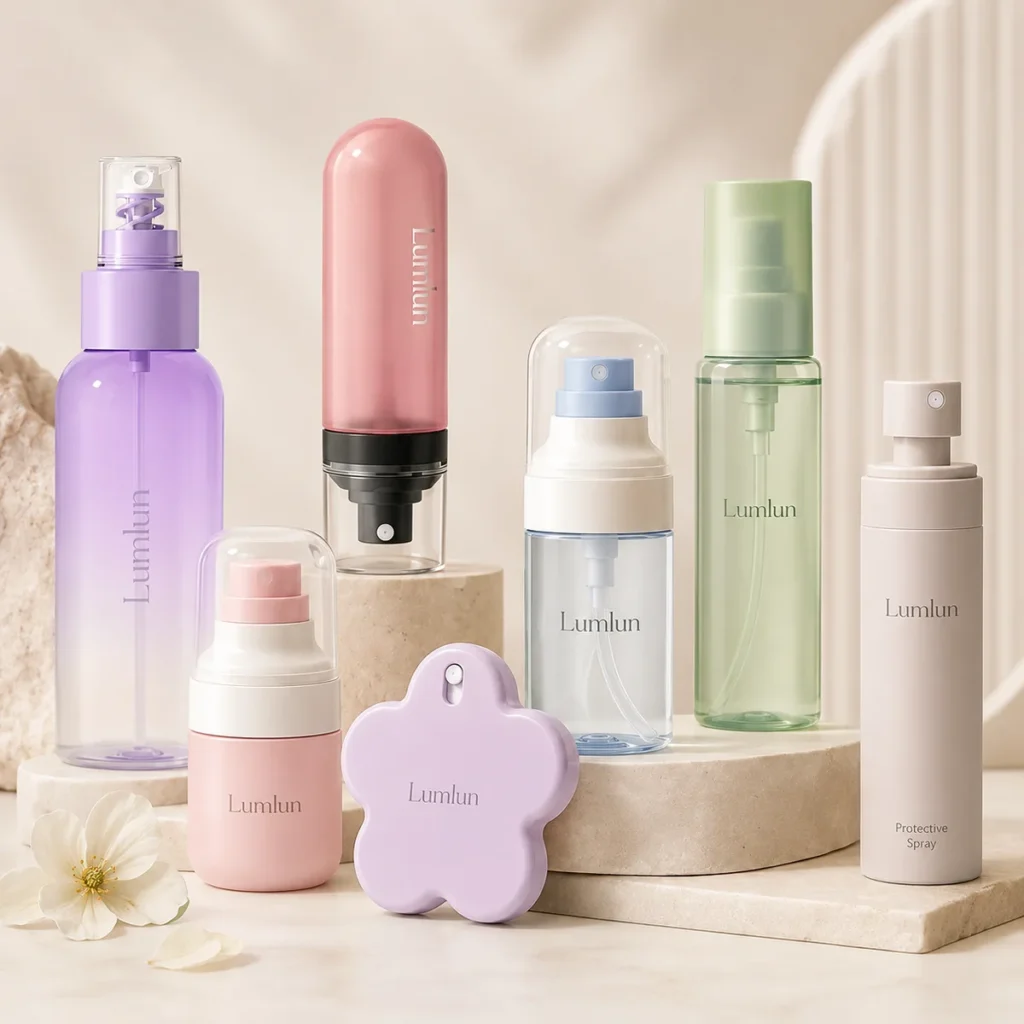
Fine mist spray bottles use three main spray types, and each suits a different formula and brand position: a standard fine mist pump for most toners and face mists, a continuous spray for an even, uninterrupted application, and an airless mist for formulas that need protection from air. There’s no single best type, only the one that fits your product, your positioning, and your budget.
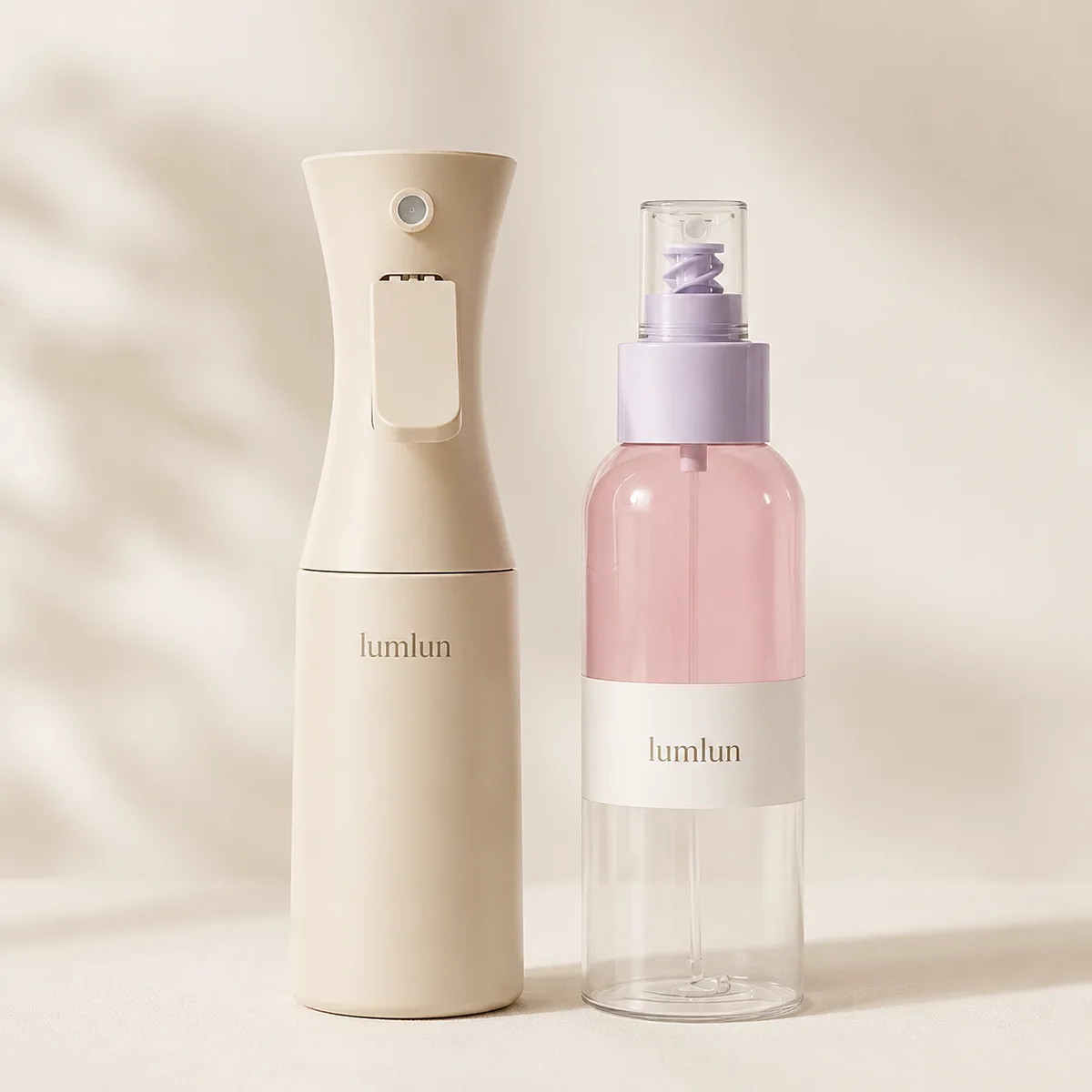
Here’s how to think about each, so you can match the mechanism to what you’re launching:
- Standard fine mist pump. The most common choice for skincare, where each press releases a fine, even mist. It’s reliable, familiar to customers, and well suited to toners, facial mists, and setting sprays. For most brands launching a mist product, this is the natural starting point, and it pairs with a wide range of bottle styles and finishes to match your look.
- Continuous spray. Instead of one burst per press, a continuous spray delivers a steady, even mist for as long as it’s held, giving smoother, more uniform coverage without propellant gases. It feels distinctly premium and modern, and it suits brands that want their application to feel like a step above the ordinary, or products that benefit from covering an area evenly, like a body or refreshing mist.
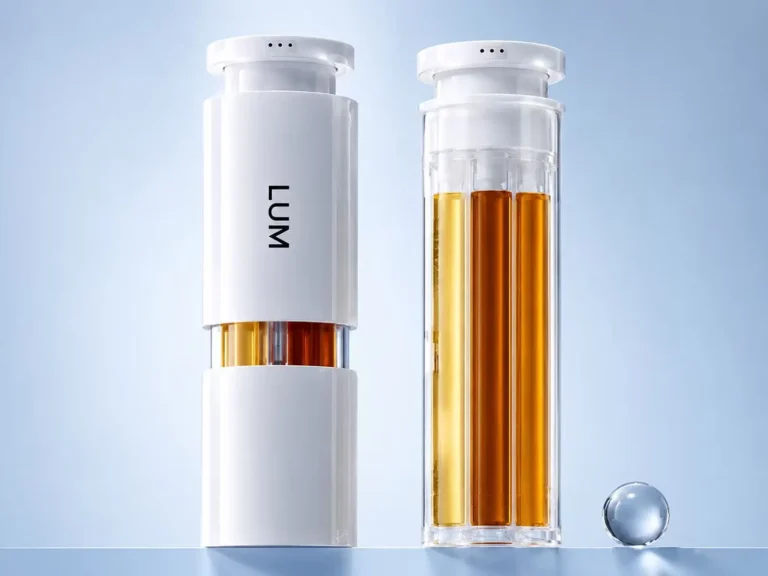
- Airless mist. For formulas that are sensitive to air, an airless mist system keeps air away from the product while still misting it, helping protect the formula through its shelf life. It suits brands working with more delicate or actives-led formulas who want both protection and a fine spray, and it carries a clean, high-performance positioning that resonates with discerning customers.
Beyond the spray mechanism, the way the bottle opens and locks matters too. A simple overcap keeps the sprayer clean, while a twist-lock closure prevents accidental spraying in a bag, which is worth considering for travel-friendly or on-the-go products. Small details like these are part of what makes a product feel considered and reliable in the customer’s hands.
Not sure which spray type fits your formula and brand? Tell us what you’re spraying and the feel you’re after, and we’ll match the right sprayer to it, with free samples so you can test the mist before you commit.
Why Mists Clog or Spit, and How to Prevent It
When a mist sprayer clogs or spits, it’s almost always a mismatch between the sprayer and the formula, not a faulty pump, which means the fix is testing the sprayer with your actual product before you commit to bulk. This is the single most common problem with mist products, and it’s also the most preventable.
- The formula drives the spray. Lightweight, water-based toners and mists spray easily through a fine sprayer. Formulas with oils, suspended particles, or a heavier texture need a sprayer suited to them, or they can struggle to atomize into a clean mist. The thicker or more complex the formula, the more important it is to confirm the match.
- Test with the real formula, not water. A sprayer that mists water beautifully can behave differently with your finished product. Running a spray test with your actual formula is the only reliable way to confirm you’ll get a clean, even mist in the customer’s hands, every time.
- Getting it right protects your reviews. A mist that performs consistently from the first press to the last is what earns good reviews and repeat purchase. That one testing step protects both your product and the reputation you’re building.
Matching the Bottle Material to Your Formula
The bottle material has to suit what’s inside, because formulas with alcohol or essential oils need a material that stays stable in contact with them, which protects both the formula and your brand’s reputation. The material is also part of how premium the product looks and feels, so it works on two levels at once.
- Match the material to the formula. Many toners and mists contain alcohol or essential oils, and the bottle needs to hold up to them without affecting the formula over time, a basic part of responsible cosmetic packaging practice. Confirming material compatibility for your specific formula is a basic step that prevents problems down the line, the same way you would for any packaging.
- The material shapes the look. A clear bottle shows off a beautifully colored toner; a frosted or solid finish signals a calm, premium feel. The right choice supports the positioning you want, from fresh and clean to quietly luxurious.
- Sustainability can be part of the story. Recycled-content material is an option where it suits the formula and look, giving a mist product a credible sustainability angle, backed by recycled-content standards from bodies like the Association of Plastic Recyclers, that a growing share of customers actively look for. It’s one more way the packaging can work in your favor, when it’s the right fit for the product.
What the Right Mist Does for Your Brand
A well-chosen fine mist spray bottle does more than dispense product: it lets you charge a premium, earns repeat purchase, and gives a toner or mist a reason to stand out, which is how a packaging decision turns into a sales advantage. This is the return that makes getting the spray right worth the effort.
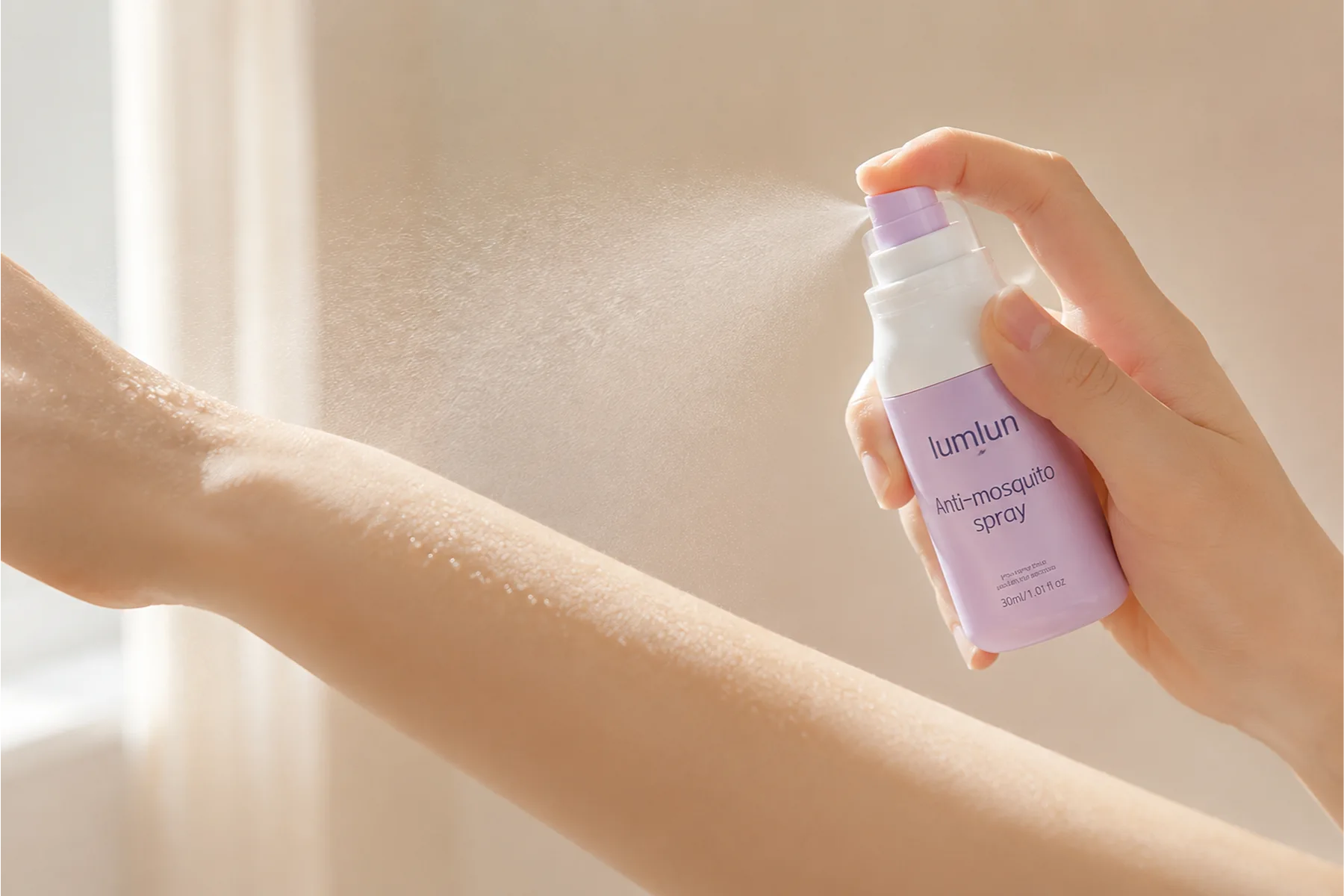
- It supports a premium price. A fine, even, refreshing mist makes a product feel like a treatment, not a commodity. When the experience feels worth more, customers pay more without hesitation, and that’s margin you hold on every unit across the line.
- It turns a basic step into an upgrade. Moving a toner from a pour bottle to a fine mist spray bottle changes how it’s used, making application cleaner, more even, and more pleasant, with no cotton pad and no waste. That’s a genuine product upgrade customers notice and re-buy for, not just a packaging change.
- It earns repeat purchase and loyalty. A spray that feels good every single day is a quiet reason customers stay with your product instead of trying the next one. In a category where winning a new customer is expensive, that repeat purchase is where the real profit is.
- It wins attention across every channel. A mist product that looks and performs beautifully stands out on a shelf, in an online listing, and in a video. That visibility is reach and new customers you don’t have to pay for, and it helps a smaller brand compete for space and share.
Seen this way, choosing the right mist isn’t a detail, it’s an investment in how much your product sells, at what price, and how often customers come back. That’s why it’s worth matching the sprayer to your formula and brand deliberately, rather than defaulting to whatever is easiest to source.
Customizing and Ordering Your Fine Mist Spray Bottle
Once the spray type and material fit your formula, you make the bottle your own through custom color, finish, and printing, and confirm everything with a sample before bulk, on a typical timeline of around 12–15 working days for sampling and 30–40 days for production. This is where a functional sprayer becomes a piece of your brand.
- Make it match your brand. A mist bottle can be customized in color, with a clear, frosted, or solid finish, and printed or decorated to fit your line, so your toner or mist looks like it belongs with the rest of your range.
- Test the spray with your formula. Before committing to bulk, confirm the mist quality and material compatibility with a sample of your actual product. It’s the step that prevents clogging, spitting, and surprises after launch.
- Confirm the practical details early. Volume, closure, and decoration each affect the final result, so share what you’re launching up front to get the right setup and timeline before you plan your release.
LumLun, a B2B OEM cosmetic packaging manufacturer working with skincare brands across 27 countries, approaches a mist product the way a brand owner has to: starting from the formula and the customer experience, not just the bottle. That tends to show up in how a project runs:
- Free samples shipped within 48 hours, so you can feel the mist before you commit.
- Replies within 2 hours, so a sourcing decision doesn’t stall.
- An honest read on fit, helping you match the right spray type to your formula rather than pushing one option for everything.
One honest note, because the right packaging depends on the product: if your formula is highly sensitive to air, a standard mist sprayer may not protect it as well as an air-protected option. In that case an airless mist, or a fuller airless system, may serve you better. And if sustainability is central to your brand, recycled-content material can often be part of the build, the same way it works across other sustainable packaging. Matching the solution to the product is the whole point.
Launching a toner or facial mist?
Tell us your formula and the spray feel you want, and we’ll match the right fine mist spray bottle to it, with free samples shipped in 48 hours.
Frequently Asked Questions
What kind of spray bottle is best for a facial mist or toner?
A fine mist sprayer that delivers a soft, even spray. The face is small and sensitive, so you want a mist that drifts down lightly and covers evenly without soaking the skin or disturbing makeup. A standard fine mist pump suits most toners, facial mists, and setting sprays. The most important thing is a fine, consistent mist, because that’s what makes the product feel premium and refreshing to use every day.
What’s the difference between a fine mist pump and a continuous spray?
A fine mist pump releases one burst per press; a continuous spray delivers a steady mist for as long as it’s held. The pump is the familiar, reliable choice for most toners and face mists. The continuous spray gives smoother, more even coverage without propellant gases and feels more premium, which suits brands wanting a step-above application or products that benefit from covering an area evenly. Both can deliver a fine mist; the right one depends on your product and positioning.
Why does my mist sprayer clog or spit?
It’s almost always a mismatch between the sprayer and the formula, not a broken pump. Formulas with oils, suspended particles, or a heavier texture need a sprayer suited to them, or they struggle to atomize cleanly. The reliable fix is testing the sprayer with your actual finished formula, not water, before bulk production. That confirms you’ll get a clean, even mist in the customer’s hands and prevents the negative reviews a spitting spray creates.
Can a fine mist spray bottle hold a formula with alcohol or essential oils?
Yes, as long as the material is matched to the formula. Many toners and mists contain alcohol or essential oils, and the bottle and sprayer need to stay stable in contact with them so the formula isn’t affected over time. Confirming material compatibility for your specific formula is a simple step, the same as with any packaging, and a good supplier will help you choose a material suited to what’s inside.
Is switching a toner to a fine mist sprayer worth it?
For many brands, yes, because it upgrades the product, not just the packaging. A mist applies more evenly, feels refreshing, and needs no cotton pad, which customers notice and re-buy for. A fine, premium mist also supports a higher price and stands out on the shelf and on screen. The right comparison isn’t the cost of the sprayer, it’s the premium, repeat purchase, and attention a better experience brings.