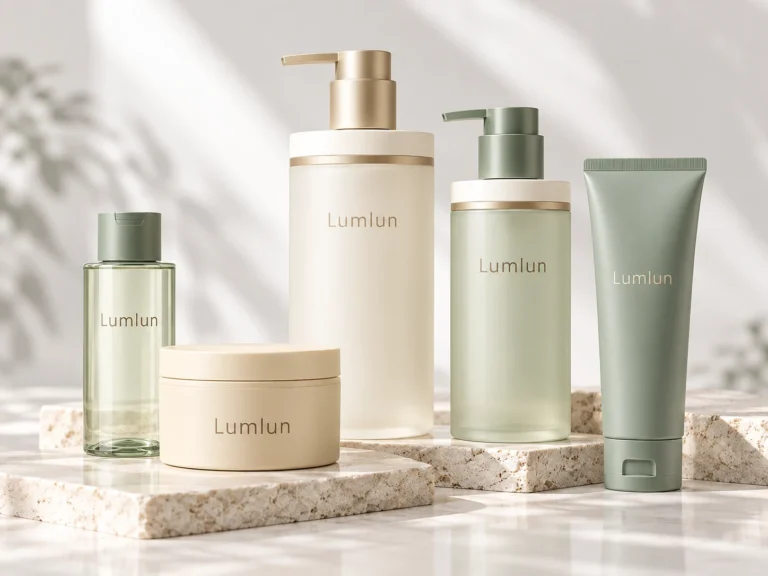
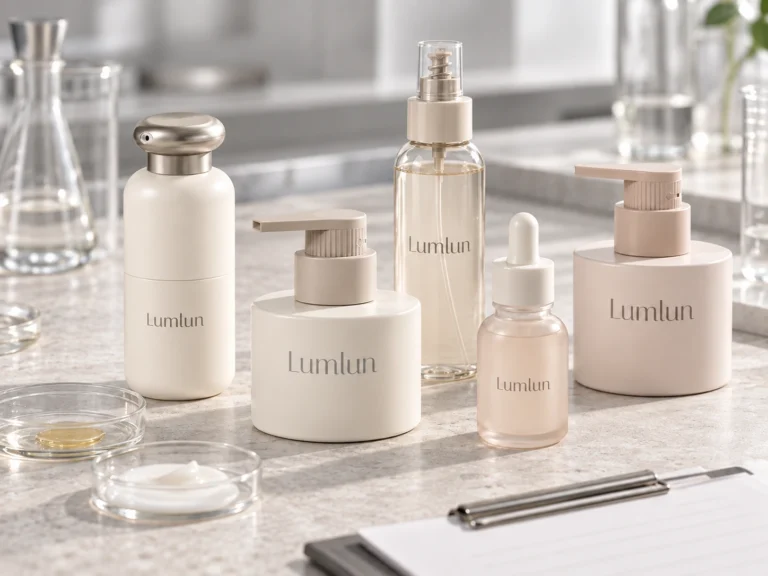
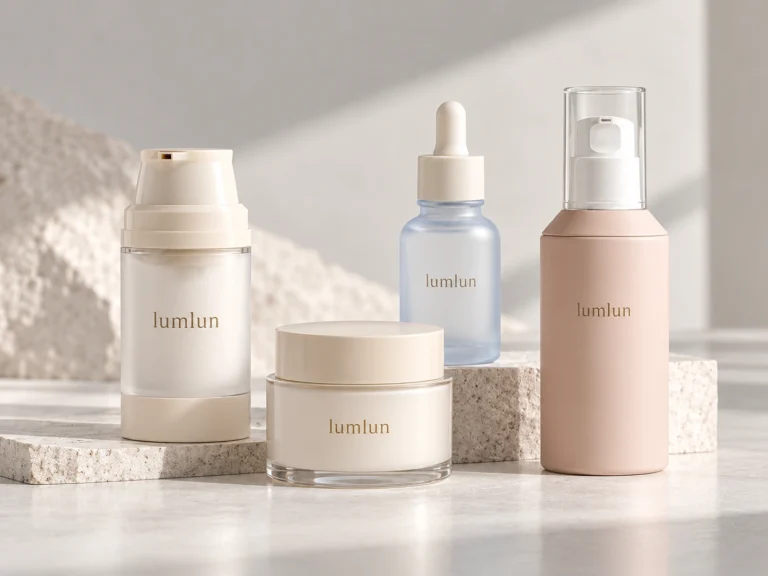
In a custom cosmetic packaging project, a stock sample and a pre-production sample are usually not competing choices. They answer different questions at different points in the same project.
For many projects, the practical route is to review stock samples first, choose and make initial checks on a real packaging model, then create a pre-production sample after the model and customization details are confirmed. If the buyer already knows the exact model and has the artwork and customization requirements ready, the project can move directly to a pre-production sample.
Quick answer: use a stock sample to confirm the real package before customization. After the model is confirmed, use a pre-production sample to review the customized result before bulk production. The stock-sample stage can be skipped when the model and customization requirements are already clear enough to start sampling.
What do stock samples and pre-production samples each confirm?
| Stock sample | Pre-production sample | |
|---|---|---|
| Where it comes from | A real package from available stock | Made to the confirmed customization requirements |
| Main purpose | Compare models, review structure and carry out simple initial checks | Review the customized appearance and configuration before bulk production |
| Color | Random, depending on available stock | Made to the confirmed project color direction |
| Logo and decoration | No custom logo or decoration | Made with the confirmed artwork and decoration requirements |
| Typical quantity | Depends on the samples available | Usually around five pieces |
| Cost | No sample product charge; the customer pays courier shipping | A sampling fee applies |
The important point is not to decide which sample is “better.” The useful question is what the project still needs to confirm.
Stock samples help confirm the real packaging model first
Product pages and renderings can narrow a shortlist, but a physical package often makes the differences easier to judge. Two bottles with the same nominal capacity may differ in height, diameter, shoulder shape, pump appearance, closure feel or overall proportion.
When the model is not yet fixed, a stock sample lets the buyer compare those real differences before paying for custom sampling. It can also be used for simple early checks such as handling, opening and closing, pressing, squeezing, dispensing direction or a preliminary fill-and-use review when relevant to the project.
At this stage, the goal is straightforward: confirm whether the real packaging model is worth developing further.
Browse LumLun packaging models when you want to compare real structures before requesting samples.

Compare three real LumLun models before requesting stock samples
If the model is not fixed yet, it is easier to compare real product pages first and then request the stock samples that are actually useful. These three examples represent different packaging structures; availability of a specific stock sample is confirmed when the request is made.
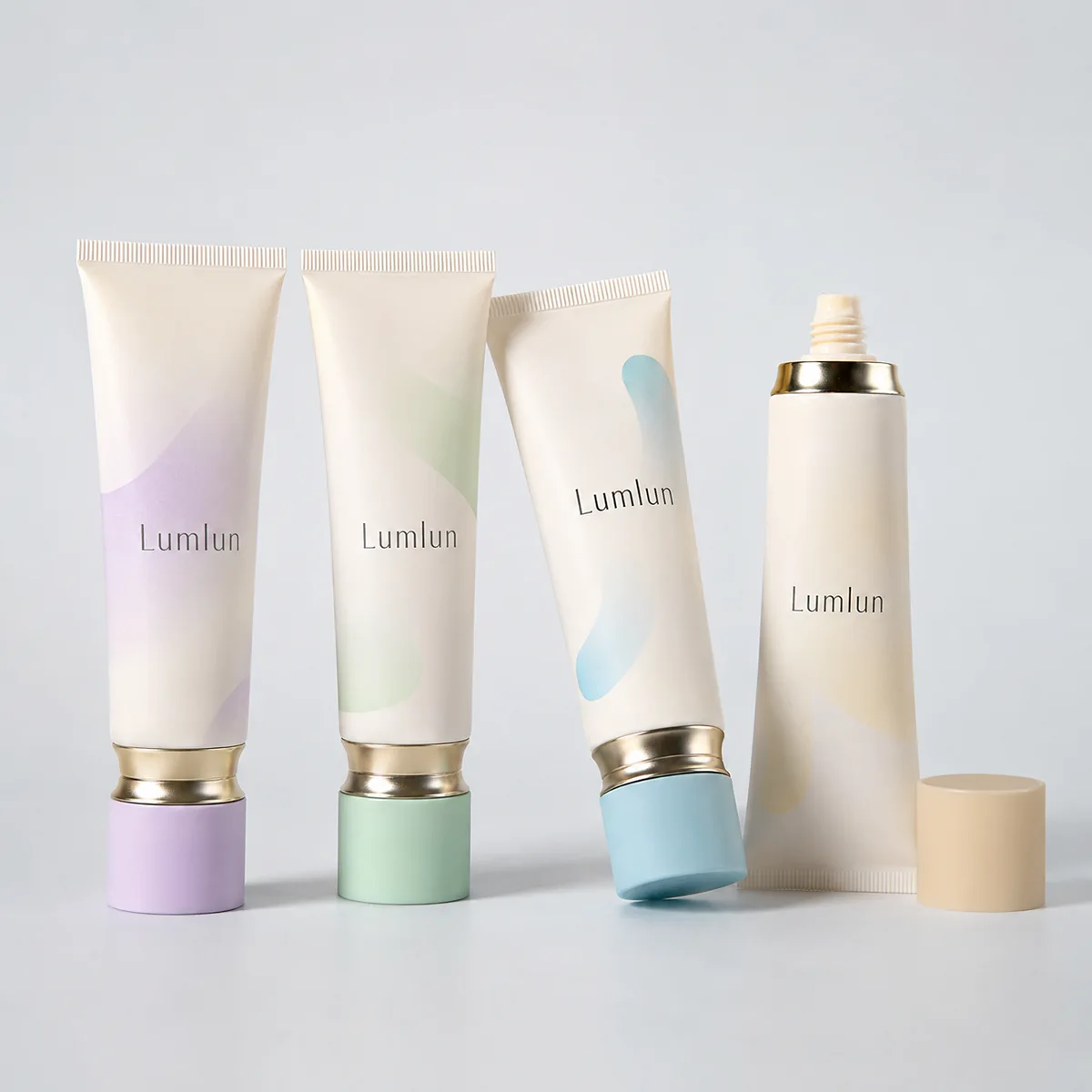
50ml PE Cosmetic Tube with Metallic Screw Cap
A real tube model for reviewing body proportion, cap structure and squeeze format before color, logo or decoration is customized.
View Product →
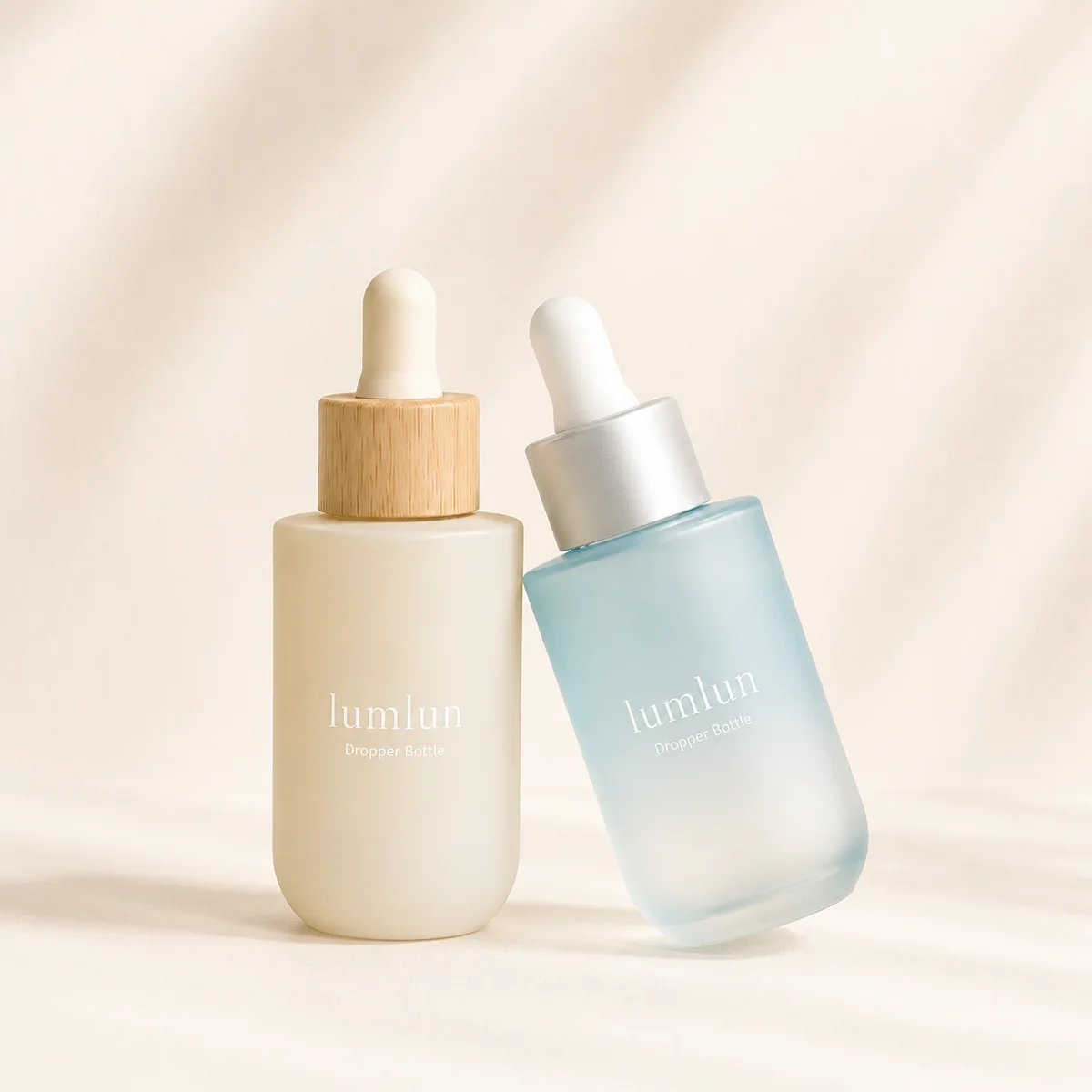
30ml Matte Glass Dropper Bottle for Serum
A real serum-packaging model for reviewing bottle proportion, pipette assembly and closure structure before branded finishes are approved.
View Product →
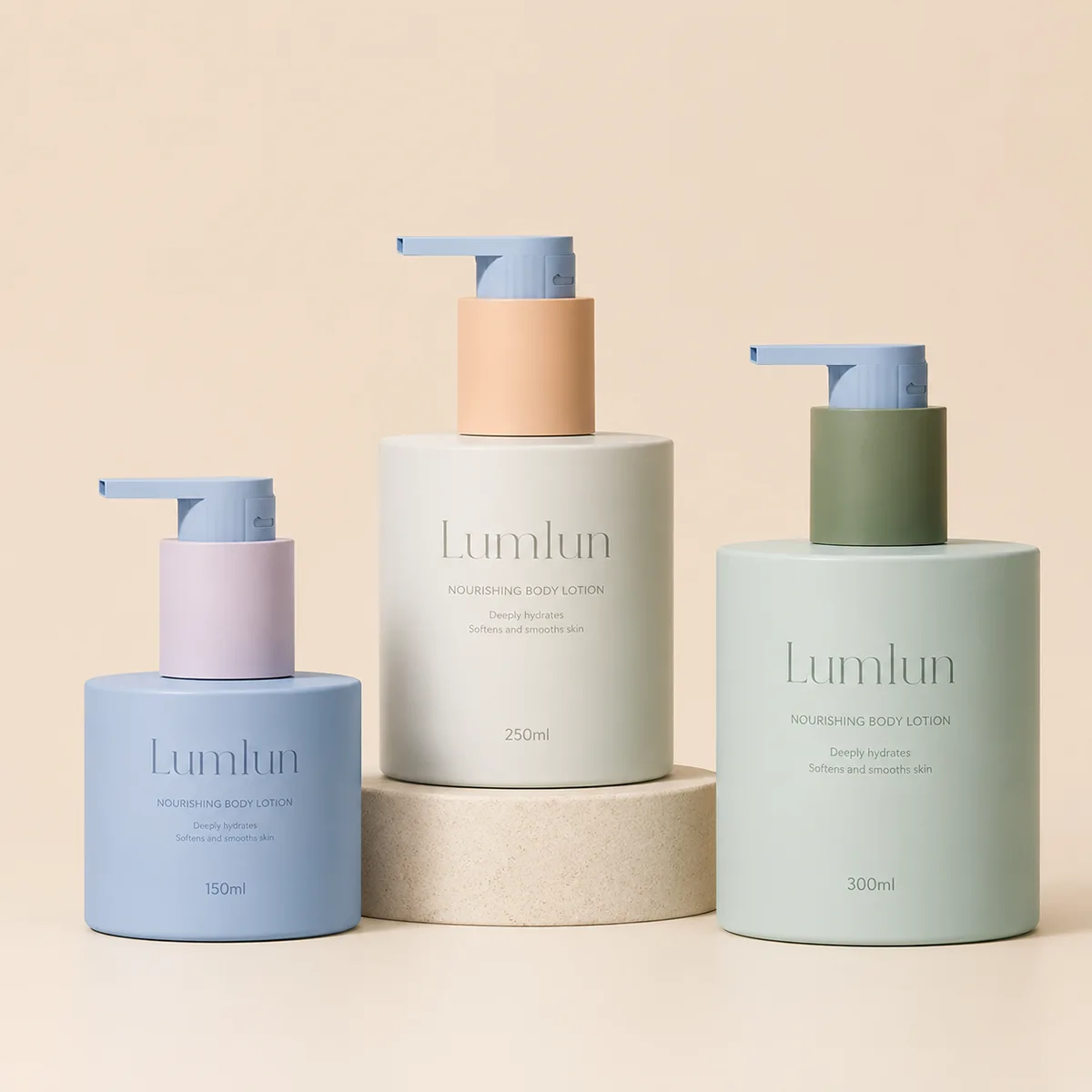
PE Lotion Pump Bottle with Lockable Pump — 50ml–500ml
A multi-capacity pump-bottle family for comparing size direction, bottle proportions and lockable-pump structure before custom sampling.
View Product →
Why are stock-sample colors random and undecorated?
LumLun stock samples are arranged from the packaging currently available. The color is therefore random, and the sample does not include a custom logo, printing, hot stamping, coating or other project-specific decoration.
That does not make the sample incomplete for its purpose. If the current question is whether the bottle, jar or tube has the right size, proportion, component structure and basic use, a different stock color does not prevent that decision.
A stock sample should not be used to approve the final Pantone color, logo placement or decoration result. Those belong to the customized sampling stage.
What can a stock sample confirm — and what can it not confirm?
- Real size and overall proportion
- Package structure and visible components
- How the pump, dropper, cap, jar or tube is handled
- Differences between shortlisted models
- Simple preliminary checks relevant to the actual project
- Final brand color
- Final logo size or position
- Printing, hot stamping, coating or other decoration
- The complete customized appearance
- Final checks that depend on the customized configuration or filled product
In other words, the stock sample answers “Is this the package we want to continue with?” It does not yet answer “Is this exactly how our finished branded package will look?”
Once the model is confirmed, the project moves into customization
After the packaging model is selected, the discussion becomes more specific. The project can then confirm the brand color, logo file, artwork placement, decoration method, pump or cap color, and other requirements that apply to the selected model.
This is also the point where decoration decisions become more meaningful, because they are being reviewed on an actual package rather than on an abstract concept. LumLun’s customization and finish overview explains the broader options that can be reviewed after a real model is selected.

What is a pre-production sample?
A pre-production sample is made according to the customization requirements that have already been confirmed for the project. LumLun projects typically use around five pieces at this stage.
Unlike a random-color stock sample, the pre-production sample is intended to show the selected packaging model with the agreed color direction, artwork, logo, decoration and component combination. It lets the buyer see a physical version of the customized package before bulk production begins.
Its purpose is not to restart model selection. Its purpose is to turn the selected and customized direction into something that can be reviewed in the hand.
Why does a pre-production sample require a sampling fee?
A stock sample already exists, so LumLun does not charge for the sample product itself; the customer covers courier shipping. A pre-production sample is different because it has to be prepared and made for the specific project.
Color, artwork, logo, decoration and component requirements may all require dedicated preparation and processing. A sampling fee therefore applies to the pre-production sample.
This is one reason the stock-sample stage is useful when the model is still uncertain: the basic package can be confirmed before resources are used to make the customized sample.
The general sample terms are also summarized in LumLun’s shipping and logistics policy; the written terms confirmed for an individual project take precedence.
A pre-production sample turns artwork into a physical package
Artwork and digital renderings are useful design tools, but they cannot show every detail of the finished physical object. A logo that looks balanced on screen may feel too high or too large on the real bottle. A color direction may work on its own but need adjustment when it is seen together with the pump, cap or other visible components.
The pre-production sample allows the buyer to review the actual relationship between color, logo, decoration, components and package proportions before the main production run.
If a detail needs to change, the issue can be addressed before bulk production rather than discovered after the full order has already been made.

Pre-production samples can also support final checks and adjustments
Depending on the packaging and the product, the pre-production sample can be used for further confirmation and final project checks. That may include reviewing the selected pump, dropper, cap or other components, observing the package after filling, or checking the final customized configuration in actual use.
The exact checks depend on the package and the formula. A sample does not guarantee that every production unit will be identical or that every possible condition has been validated.
Its practical value is that issues already visible at the sample stage — such as logo position, color direction, decoration appearance or component combination — can be corrected before bulk production. That reduces the risk of avoidable errors carrying into the main order.
Most projects follow a stock-sample-to-pre-production route
This is a common route because each sample answers a different question. The stock sample confirms the package itself; the pre-production sample confirms the customized version of that package.
When can a project go directly to a pre-production sample?
The stock-sample stage is not a mandatory box that every buyer has to tick. It can be unnecessary when the project already has enough information to start custom sampling.
For example, a buyer may already know the exact LumLun model, have confirmed the capacity and component configuration, and have the color, logo and artwork ready. The buyer may also have worked with the same model before or have a physical reference that makes the package requirement unambiguous.
In that situation, repeating a stock-sample step may add little value. The project can move directly to the pre-production sample and use that sample for the customized review.
The principle is simple: do not skip an unresolved packaging question, but do not repeat a step that the project has already resolved.
A first sample request does not need a complete customization file
If you are still choosing packaging, you do not need finished artwork just to request a stock sample. A product link or reference image, approximate capacity, product type and the models you want to compare can be enough to start.
If the model and customization requirements are already clear, send the available color, logo, artwork and component information so the project team can review whether it is ready to move directly into pre-production sampling.
The sample route should reduce uncertainty, not create extra work before the first conversation.
Stock and pre-production samples are connected stages, not an either-or choice
For most custom cosmetic packaging projects, stock samples and pre-production samples work together.
The stock sample helps confirm the real packaging model: its size, structure, components, proportions and basic use. After the model is confirmed, the pre-production sample helps confirm the customized package: the agreed color, logo, decoration, component combination and overall result before bulk production.
If the buyer begins with a clear model and complete customization requirements, the project can move straight to pre-production sampling instead.
The right question is therefore not “Which sample should I choose?” It is: “What has this project already confirmed, and what does the next sample still need to prove?”
Request the sample stage that matches your project
Send the LumLun product link or reference image, target capacity and what you still need to confirm. If the model is already fixed, include the available artwork and customization requirements.