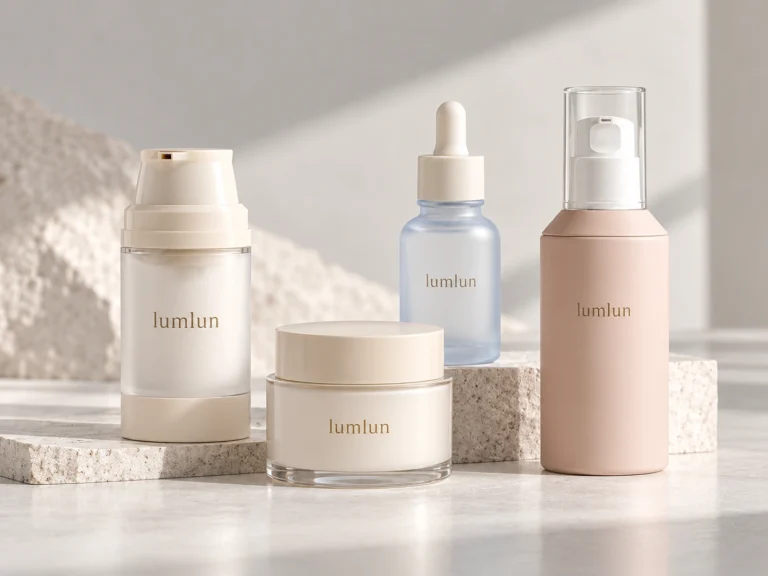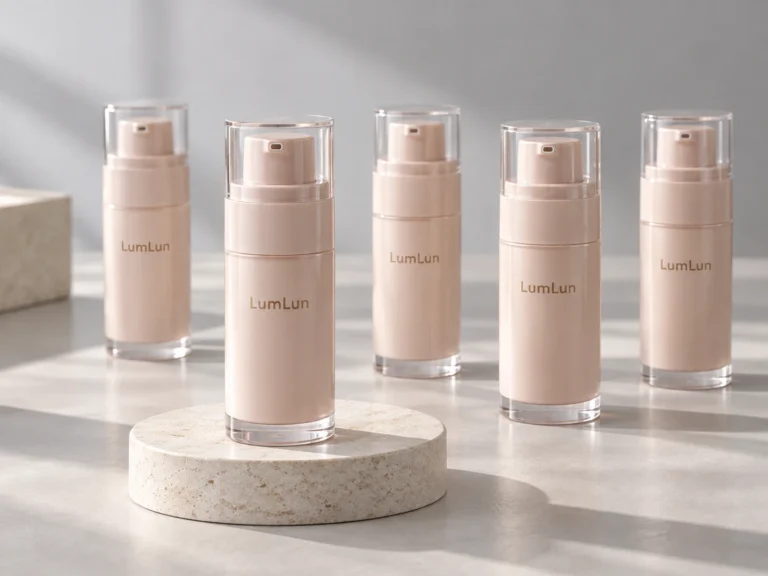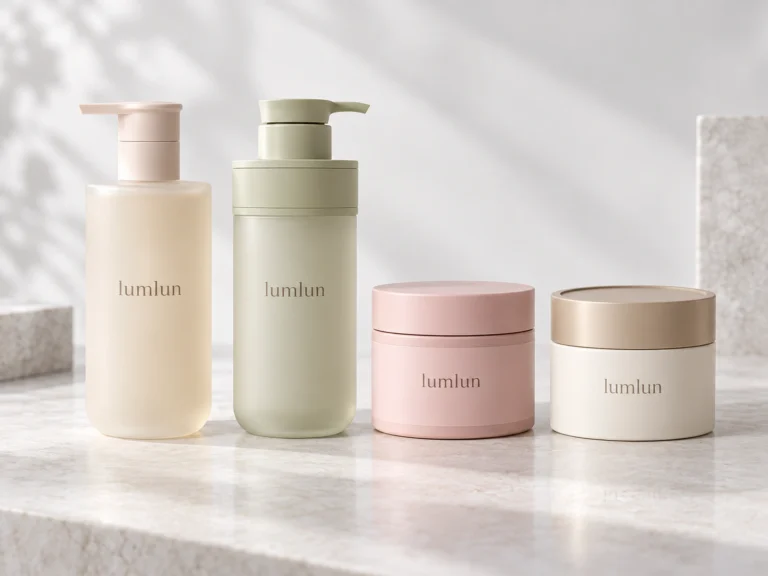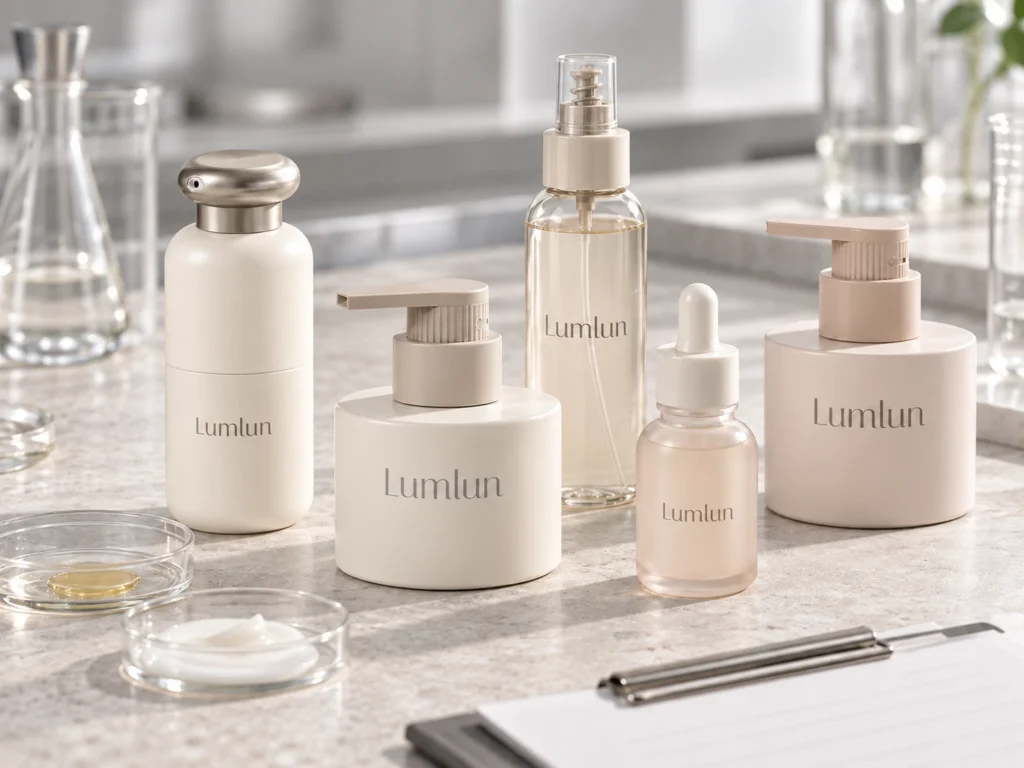
When customizing cosmetic packaging, confirming the appearance and dimensions of the bottle, jar, tube, pump, sprayer, or dropper can only show that the packaging basically fits the project structurally. It does not directly prove that it will still function properly after long-term contact with the real formula. Many packages look fine when empty, but after being filled with the formula, they may gradually show changes in dispensing, leakage, component swelling, surface-finish damage, or other compatibility issues.
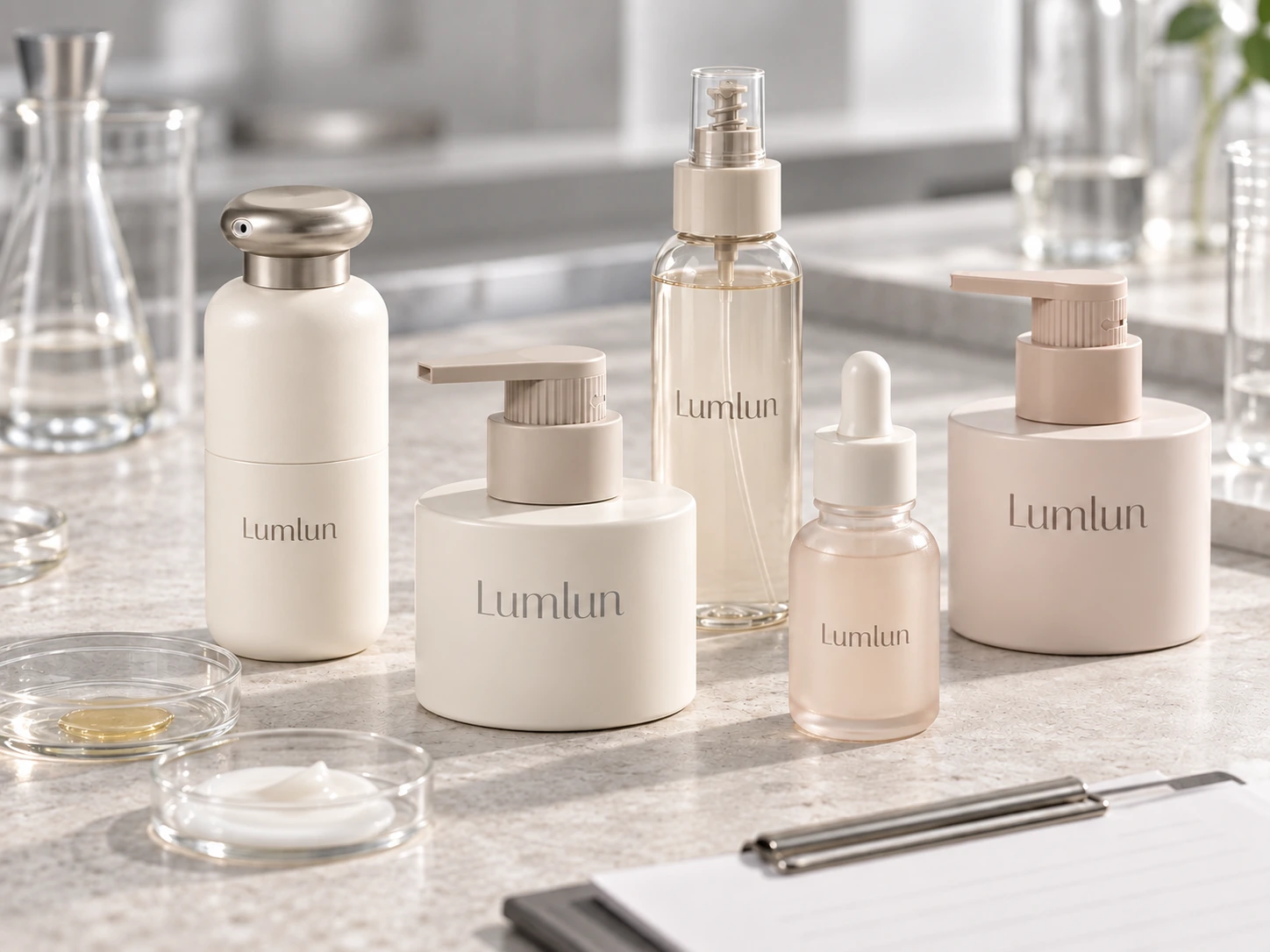
Therefore, before formal mass production, brands should not only confirm the color, logo, and packaging appearance, but should also use the real formula to carry out compatibility testing on the final selected packaging system. What needs to be tested is not only the bottle material itself, but the entire system that actually comes into contact with the product and is involved in real use, including the container, pump, tube, gasket, liner, dropper, sprayer, closure, and surface decoration.
The real question packaging compatibility testing needs to answer is this: after the real formula is filled into the final package, can the package still maintain its original structure and function during storage, transportation, and normal use?
Why Empty-Package Testing Cannot Replace Real Formula Compatibility Testing
At the early model-selection stage, brands usually receive stock samples or empty packaging samples first. This stage is very suitable for confirming the bottle shape, capacity, pump style, opening, overall size, and hand feel, and it can also help the customer judge whether a certain model is worth continuing with. However, the empty package itself cannot show what will happen after the real formula comes into contact with the packaging.
Different formulas, including their ingredients, viscosity, oil-phase ratio, alcohol content, surfactants, and other formulation characteristics, may all affect packaging performance. The same pump bottle may dispense smoothly when filled with water, but after being filled with a thicker lotion, the dispensing speed, rebound, and pump output per use may all change. Likewise, the same dropper bottle may seem fine when tested with plain water, but after being filled with a high-viscosity serum, the actual suction and release performance may be completely different.
Therefore, a water test can help check basic function, but it cannot replace an actual formula test. If the brand will ultimately sell a serum, cream, oil, toner, or another real formula, then what should finally be confirmed is the performance of the real product combined with the packaging.
Compatibility Testing Should Evaluate the Complete Packaging System, Not Only the Bottle Body
When people talk about “packaging compatibility,” their first reaction often focuses on the bottle material, such as glass, PET, PETG, PP, or PE. But in a real project, the formula does not necessarily contact only the bottle body.
A pump bottle also includes the pump, dip tube, gasket, and spring-related internal structures. A dropper bottle includes the pipette, bulb, collar, and the sealing parts that contact the formula. A fine mist spray bottle requires consideration of the sprayer, dip tube, gasket, and nozzle at the same time. A cream jar may also involve an inner lid, liner, or other internal components. A cosmetic tube likewise consists not only of the tube body, but also the shoulder, cap, and dispensing opening.
Therefore, a more reasonable approach is to test the final packaging as a complete system. Even if the bottle body itself shows no obvious change, the packaging still cannot be considered compatibility-confirmed as long as the pump cannot work stably, the gasket changes, or the closure sealing performance is affected.
If the pump, cap, liner, or other components used in formal mass production are different from those used in the tested sample, caution is also necessary, because the compatibility result actually applies only to the exact combination that was tested at that time.
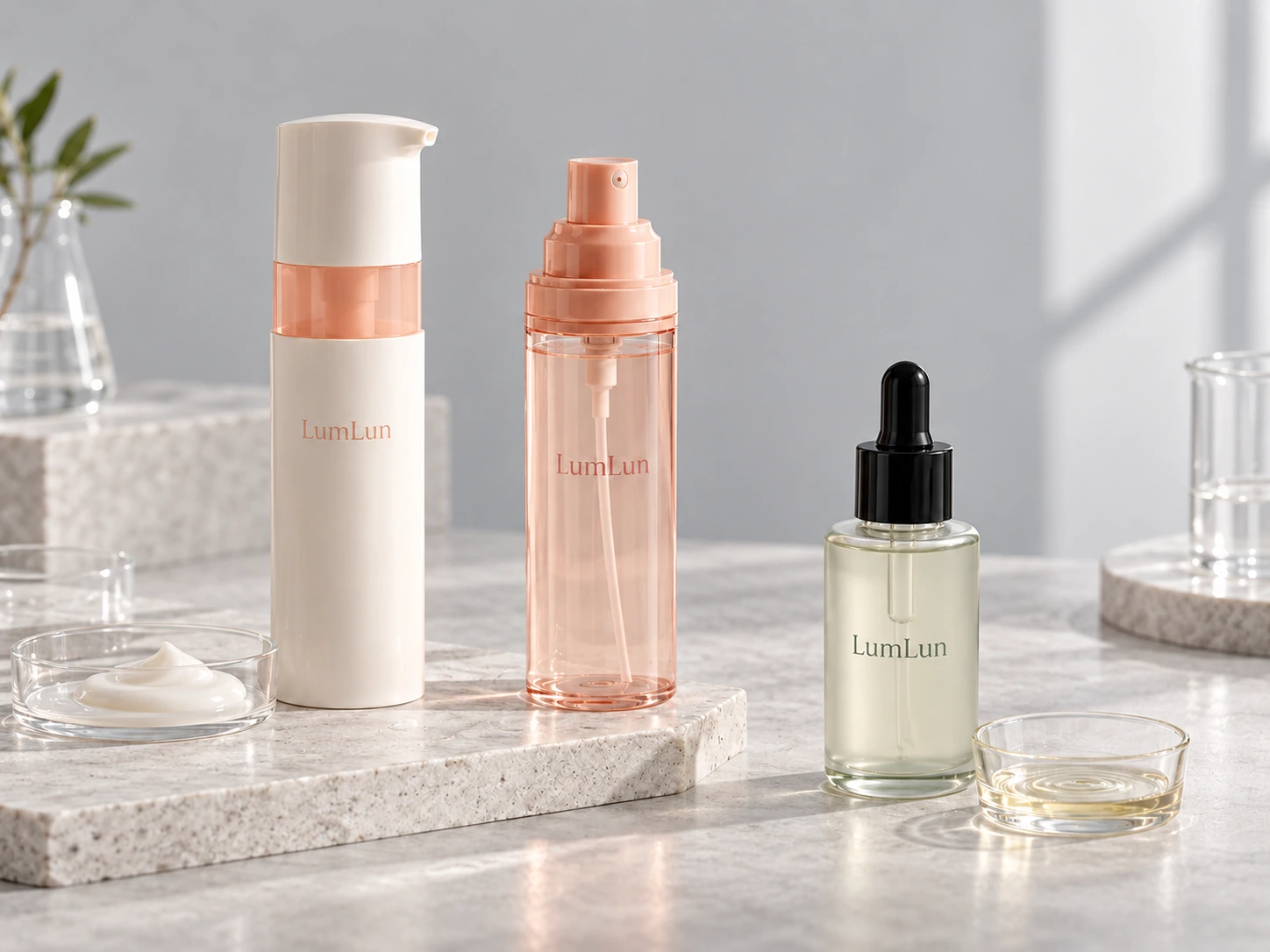
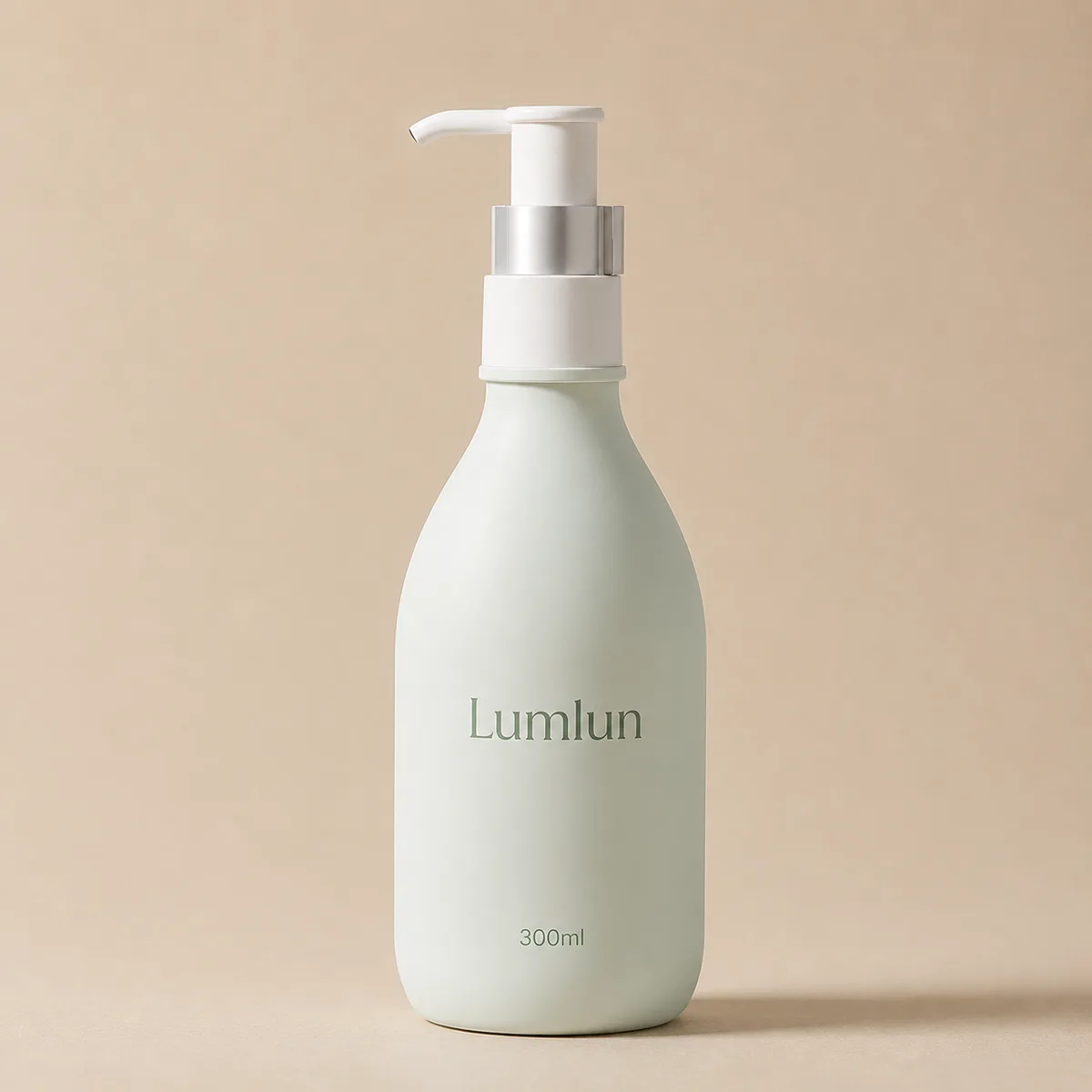
PETG Lotion Pump Bottle with Lock Pump — 100ml & 300ml
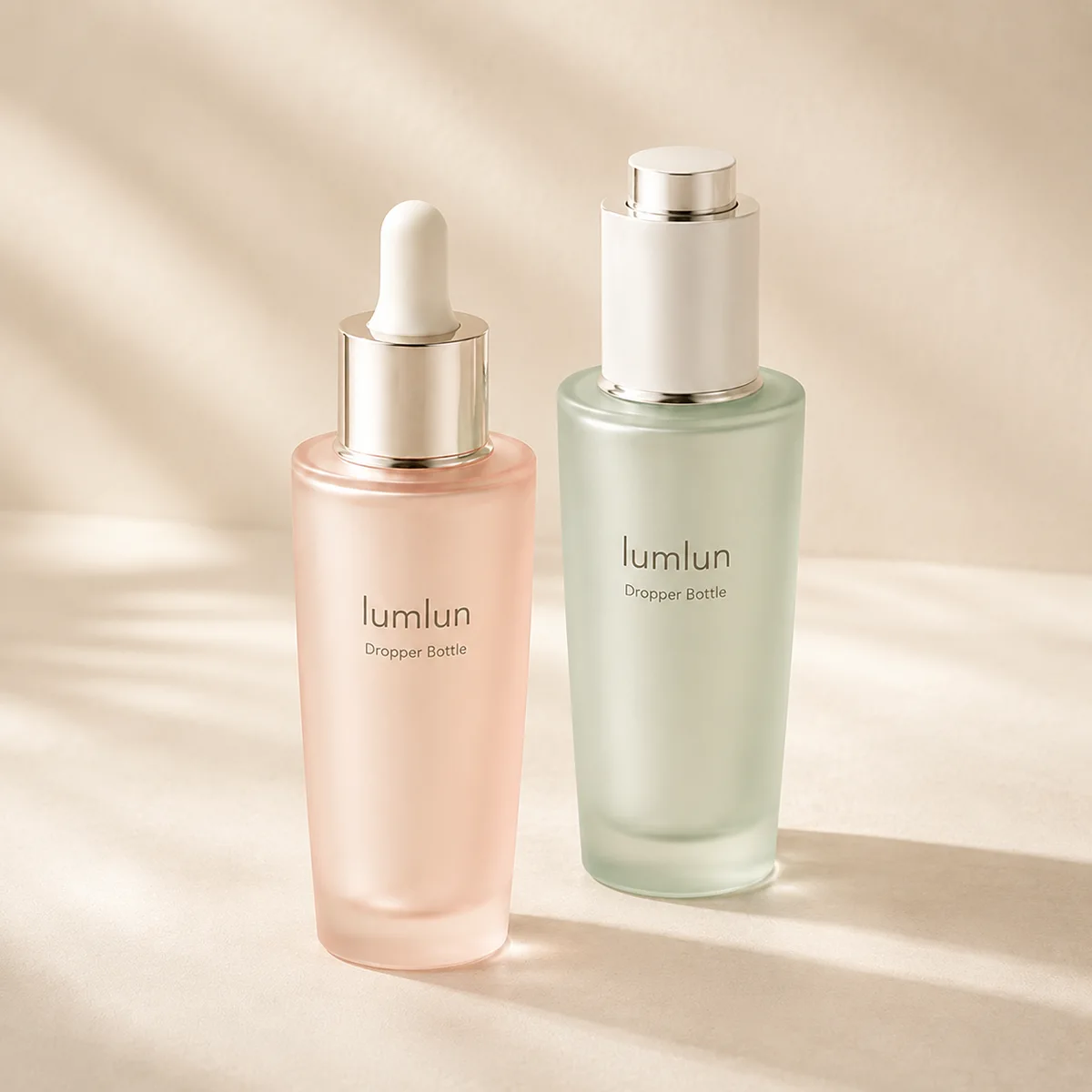
UV Tinted Glass Dropper Bottle for Light-Sensitive Serums | 30ml
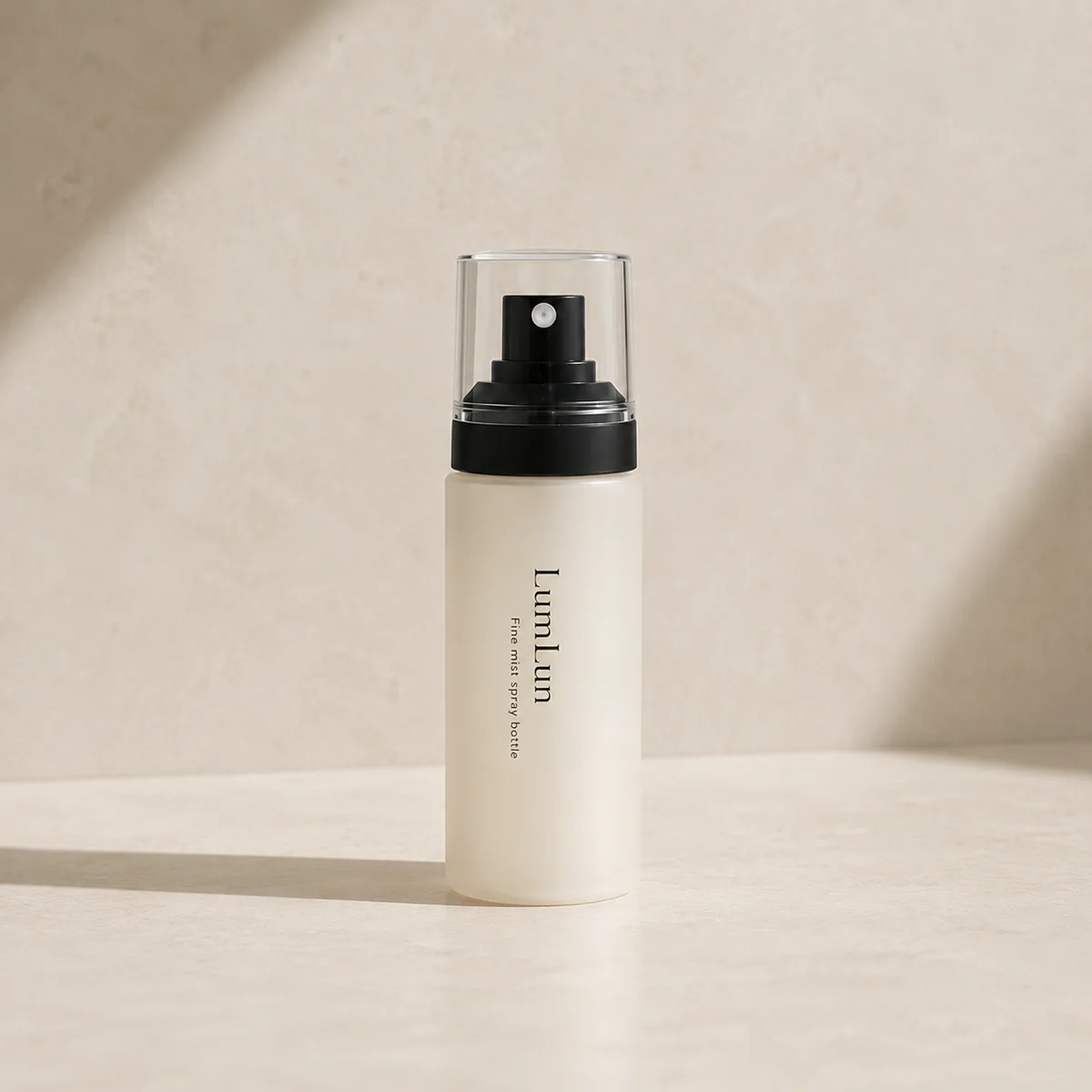
Clear Cylindrical PET Fine Mist Spray Bottles — 60ml–120ml
Compatibility Testing: What Should Be Checked?
| Test area | What to observe | Why it matters |
|---|---|---|
| Container / material | Deformation, softening, brittleness, stickiness, cracking, transparency or color change | The real formula can affect the package differently from an empty or water-filled sample. |
| Dispensing system | Pump rebound and output, spray pattern, dropper suction and release, clogging risk | The package must dispense the real formula consistently in normal use. |
| Closure / leakage | Neck finish, gasket, pump assembly, dropper collar, different transport positions | A package can fail at a connection or sealing point even when the container body is stable. |
| Decoration / finish | Printing, coating, hot stamping, logo and surface stability after formula contact | Formula residue during use can affect the outside of the package as well as the inside. |
What Changes Should Be Observed on the Bottle, Jar, and Tube Themselves
After the real formula is filled into the package, the first step is to observe whether the container itself remains stable. For plastic bottles, jars, and tubes, attention should be paid to whether there is obvious deformation, softening, embrittlement, a sticky surface, cracking, or other abnormal changes. For transparent packaging, it is also possible to observe whether transparency, color, or surface condition changes noticeably.
Tube packaging also requires special attention to the tube body, shoulder, and sealing area. After long-term contact with certain formulas, changes in material condition may affect the tube’s hand feel, appearance, or later use. For a jar, it is also worth observing whether abnormalities appear after the formula contacts the inner wall, inner cup, or other internal structures.
These checks should not be carried out only immediately after filling. Many problems do not appear on the first day after the product is filled, but instead require a period of time before any trend can be observed. Therefore, brands need to formulate a reasonable compatibility evaluation according to their own formula, packaging material, and project requirements, rather than judging only from a freshly filled sample that “it looks fine.”
Pumps, Sprayers, and Droppers Should Be Repeatedly Tested with the Real Formula
The dispensing system is a very important part of compatibility testing, because end users do not simply look at the packaging—they need to take the product out in a stable way.
For a lotion pump or an airless pump, it is necessary to check whether pressing is smooth, whether rebound is normal, whether each dispensing amount is relatively stable, and whether the formula can still be dispensed properly after a period of use. If the product is relatively thick, it is also necessary to confirm whether the actual viscosity is suitable for the pump system, instead of judging only by the product name.
For a fine mist sprayer, the spray pattern should be observed. The same sprayer may show different spray performance with different formulas. Some formulas can create a fine mist, while others may produce larger droplets, a concentrated stream, or unstable spraying. Some oil-containing formulas require a specialized oil pump, and using a normal pump head may cause clogging. For a dropper, it is necessary to check whether the pipette can properly draw up the formula, whether the amount drawn is practical, and whether release is smooth, including whether the formula flows back.
Therefore, compatibility for pumps, sprayers, and droppers cannot be judged only by whether they “work” at all; it also has to be judged by whether they can work stably in the way the product is actually meant to be used.
Leakage Testing Needs to Focus on the Closure, Gasket, and Real Usage Conditions
Leakage does not necessarily mean that the bottle body itself has a problem. In many cases, actual leakage is related to the closure system, neck finish, gasket, pump assembly, dropper collar, or other connection points.
After the filled sample is completed, it is possible to check whether the package remains clean in the normal upright position. It is also possible, according to the project’s actual needs, to simulate different placement directions that may occur during transportation and observe whether the formula can easily enter the thread, pump collar, or inside the cap. If the package needs to go through long-distance transportation, this kind of check is more meaningful than simply placing the empty package on a table.
For relatively fluid toners, serums, oils, or other liquid formulas, the matching of the closure and gasket especially needs to be confirmed. For thicker creams or lotions, although the product itself does not flow quickly, residue, seepage, or contamination after use may still appear if the pump, neck, or closure structure is not suitable.
The goal of compatibility testing is not simply to find “a bottle that does not leak,” but to confirm that the formula, container, and closure can work together stably under real usage conditions.
The Formula May Also Affect Printing, Coating, and Other Surface Decoration
Compatibility issues do not necessarily happen only inside the package. During actual use, the formula may contact the bottle surface, pump, cap, or label area, so external decoration is also worth observing together.
For example, serum, oil, cream, or other products may remain on the bottle surface during actual use. If the package uses spray coating, printing, hot stamping, or another surface finish, it is necessary to confirm whether these areas can still remain stable after repeated contact with the product. Some projects look very good just after production, but if long-term formula contact later causes obvious fading, peeling, stickiness, or logo damage on the surface, it will directly affect the final product experience.
Therefore, during pre-production sample confirmation, the appearance should not be checked only after the sample has been wiped completely clean. A more practical method is to let the sample go through a process close to normal use and then observe whether the decoration remains stable.
For premium packaging projects, this point is especially important, because the color, logo, and surface finish are themselves part of the final product value.
Filled Samples Are More Valuable Than Checking Empty Packaging Alone
Stock samples can help a brand quickly confirm the packaging model, but once the project has entered the final confirmation stage, a filled sample is usually more meaningful.
By filling the real formula into the final selected bottle, jar, or tube, it is possible to observe capacity, headspace, dispensing, closure, leakage, formula contact, and the overall use experience at the same time. Many issues that previously existed only in design drawings or specification sheets become much more intuitive after actual filling.
For example, even when the package is nominally 50ml, whether the real formula leaves a reasonable amount of space after filling needs to be confirmed in practice. Whether the pump dip tube length is appropriate also needs to be judged together with the real container and formula. Whether the opening of a cream jar is convenient for product pickup also needs to be judged after it is filled with the actual product.
Therefore, from the perspective of project flow, the basic model can first be confirmed through stock samples, and then the real customized effect and formula compatibility can be checked through pre-production samples and filled samples. Empty packaging is suitable for model selection, while real filled samples are more suitable for final confirmation.
If the Formula, Packaging Model, or Components Change, Compatibility Needs to Be Reassessed
Compatibility testing is not permanently valid after it has been carried out once.
If the brand later adjusts the formula, it still needs to be re-evaluated even if the packaging model has not changed, because the new formula may have different viscosity, ingredient ratios, or behavior in contact with the material. Likewise, if the formula does not change, but the bottle material, pump, sprayer, gasket, liner, closure, or other key components change, the original test result also cannot directly represent the new combination.
Sometimes two packages may look almost the same from the outside, but their internal structure or contact materials are not exactly the same. Therefore, it is not appropriate to assume that they will show exactly the same performance with the same formula simply because “the new model looks very similar to the original one.”
A safer principle is this: as long as the key conditions that truly contact the formula or affect dispensing and sealing change, the new packaging system should be re-confirmed to determine whether it is still suitable.
This is also why it is best for brands to lock the final packaging structure as early as possible before mass production, so that key components are not repeatedly changed after sample testing has already been completed.
Compatibility Testing and Pre-Shipment Quality Inspection Are Not the Same Thing
Compatibility testing and quality inspection often both appear in packaging projects, but they solve completely different problems.
Compatibility testing takes place before formal mass production. Its focus is to judge whether the real formula and the final packaging system are suitable for use together. It focuses on formula contact, material stability, dispensing, leakage, closure, and other long-term usage performance.
Pre-shipment quality inspection, by contrast, takes place after the bulk goods have already been completed. Its focus is to check whether the mass-produced products meet the approved standards, such as bottle appearance, color, logo, printing, surface finish, assembly, and quantity.
In other words, compatibility testing confirms whether “this solution can be used,” while pre-shipment inspection confirms whether “this production batch has been made according to the solution that was already approved.”
The two cannot replace each other. If a packaging system itself is incompatible with the formula, then even if the bulk goods all meet the appearance standard, that still cannot solve the compatibility problem. On the other hand, even if the compatibility test shows no problem, the consistency of the mass-produced goods still needs to be checked after production.
Compatibility Testing Is Best Completed Before Mass Production, Not After Problems Appear
The real value of packaging compatibility lies in discovering potential problems before formal production.
If the brand only finds out after mass production is completed that the pump cannot dispense stably, the sprayer does not match the formula, the closure is prone to leakage, or the surface finish is affected by the product, then the room for adjustment becomes much smaller and the handling cost becomes much higher.
Therefore, a more reasonable project flow is usually this: first screen suitable packaging models according to the formula and target capacity, then confirm the basic structure through stock samples, then complete the color, logo, and other customization directions, and then use the final packaging together with the real formula for filled-sample review and compatibility confirmation. Only after there is no obvious problem should the project move into formal mass production.
This process does not mean that every project has to use exactly the same testing method. Different formulas, packaging materials, and selling requirements may require different confirmation methods, and brands may also have their own internal testing standards.
What is truly important is this: do not directly treat “the packaging looks suitable” as meaning “the packaging is already compatible with the formula.”
Before Mass Production, What Needs to Be Confirmed Is Whether the Formula and the Complete Packaging System Truly Match
The core of cosmetic packaging compatibility testing is actually not complicated: place the real product that will finally be sold together with the packaging that is truly planned for mass production, and confirm them as a complete combination.
What brands need to check is not only the bottle, jar, or tube itself, but also the pump, sprayer, dropper, closure, gasket, liner, decoration, and the other parts that actually participate in product use. What needs to be confirmed is not only whether the package has obvious damage, but also whether it can dispense stably, whether it remains sealed, whether the formula affects the packaging condition, and whether both appearance and function remain reasonable after normal consumer use.
Stock samples can help with model selection, pre-production samples can help confirm the color, logo, and customized effect, and compatibility testing further confirms whether the real formula and the final packaging system are suitable to enter mass production together.
For a skincare or cosmetic project that is preparing for formal production, the earlier the final packaging is checked with the real formula, the easier it is to discover and solve problems before mass production, instead of searching again for the cause after the product has already been produced.