Shampoo, conditioner, and hair masks often belong to the same hair care line, but they are not necessarily suited to exactly the same packaging. What really affects packaging selection is not only the product name, but also formula viscosity, frequency of use, the amount used each time, the overall rate of consumption, and the way consumers actually dispense the product.
In general, shampoo is used and consumed faster than a hair mask, so its capacity is usually larger. Shampoo is also frequently used continuously in the shower, where consumers may have wet hands or need to operate the package with one hand, so lotion pump bottles are common for medium- and large-capacity products. Conditioner viscosity usually needs to be confirmed separately, while hair masks, because the formula is often thicker and the frequency of use is lower, can use a pump bottle, cream jar, or cosmetic tube depending on the actual product.
Therefore, a more practical way to develop a hair care packaging project is not to require every product to use exactly the same container first, but to determine how each formula should be dispensed and then build a consistent brand family through bottle shape, color, logo, and surface finish.
Choose Packaging Based on the Formula and Actual Use First
When choosing hair care packaging, a more important question than “does this bottle look suitable for shampoo?” is how consumers actually use the product. Shampoo usually needs to be dispensed quickly and repeatedly, conditioner may be thicker, and a hair mask often has a more concentrated amount per use but is used less frequently than shampoo.
The flow behavior of the formula also directly affects the packaging structure. A more fluid shampoo can use a pump bottle or flip-top bottle; a thicker conditioner needs confirmation that the pump can dispense it smoothly and can also be considered for a tube; an even thicker hair mask can use a wide-mouth jar, tube, or a pump system suitable for high-viscosity formulas.
Therefore, the packaging structure should be determined by the formula and the dispensing method together, rather than by the product name alone.
Shampoo Is Usually Better Suited to Larger-Capacity Pump Bottles
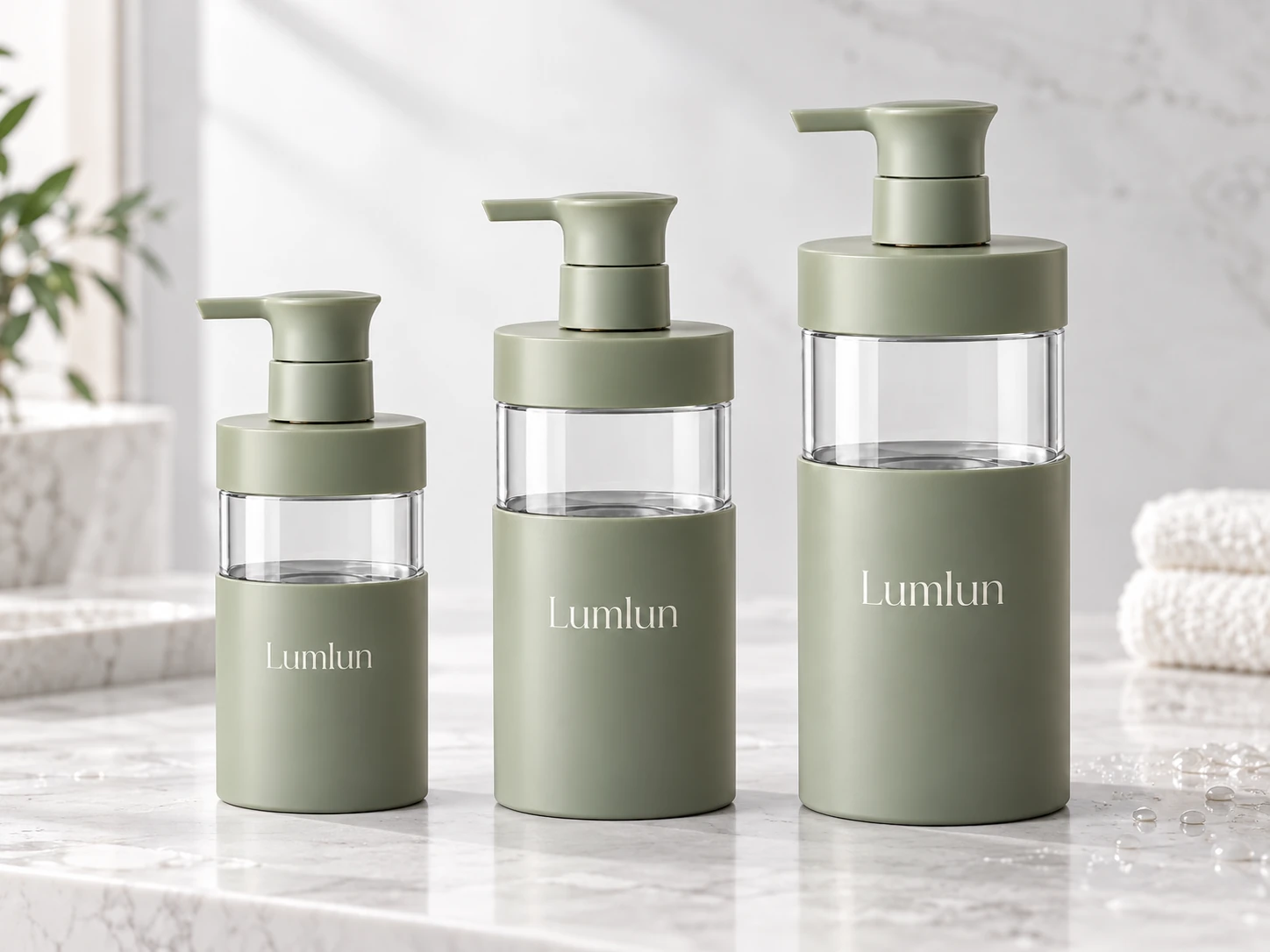
Shampoo is often one of the faster-consumed products in a hair care line, so capacities of 300ml, 500ml, 750ml, and even larger are common. As the capacity increases, repeatedly picking up the entire bottle, turning it over, and pouring out the product becomes less convenient, which is one reason lotion pump bottles are very common for medium- and large-capacity shampoo packaging.
A pump bottle can remain on the bathroom counter while the consumer dispenses the product with one or more presses, which is especially suitable for wet hands and situations where one-handed use may be needed. However, not every lotion pump is suitable for every shampoo. Brands still need to confirm the viscosity of the real formula, pump output, pump return, and repeated dispensing performance to avoid slow dispensing, an amount per press that is too small, or a pump that cannot draw the product consistently.
For smaller capacities or products with a bottle body that can be squeezed naturally, a flip-top bottle can still be used. In this case, opening size and formula flow need more attention so that a more fluid shampoo does not dispense too much at once and a thicker product is not difficult to pass through a small opening.
Conditioner Should Not Simply Copy the Shampoo Bottle and Pump
Shampoo and conditioner are often sold as a set, so similar packaging can make the line look more complete, but the dispensing systems do not necessarily need to be exactly the same. Conditioner can be thicker than shampoo, and a pump that performs normally with shampoo may not maintain the same output and return performance when used with conditioner.
If the conditioner flows well enough for a pump system, a lotion pump bottle remains a convenient option. If the formula is thicker, a pump designed for higher-viscosity products, a flip-top bottle, or a cosmetic tube can be considered. For a formula that can be dispensed smoothly by squeezing, a tube can also reduce reliance on a pump structure.
Therefore, brands can use a similar bottle shape, color, and decoration for shampoo and conditioner without forcing two different formulas to use exactly the same pump or opening for the sake of visual consistency. The appearance can be unified, while the actual dispensing structure should be confirmed separately according to each formula.
| Product | Typical use and formula | Packaging direction | Capacity direction | What to confirm |
|---|---|---|---|---|
| Shampoo | Usually consumed faster and often used repeatedly in the shower. | Lotion pump bottle or flip-top bottle. | 300ml, 500ml, 750ml or larger can be suitable depending on the project. | Formula viscosity, pump output, opening size and bottle stability. |
| Conditioner | Can be thicker than shampoo, so dispensing depends more on the actual formula. | Lotion pump bottle, flip-top bottle or cosmetic tube. | Can match shampoo or be adjusted to actual use and positioning. | Pump flow, opening size and squeeze or dispensing behavior. |
| Hair Mask | Usually thicker and used less frequently than shampoo. | Wide-mouth cream jar, cosmetic tube or a suitable pump bottle. | Often smaller than shampoo; the final size depends on use and formula. | Formula viscosity, access method, opening or pump fit. |
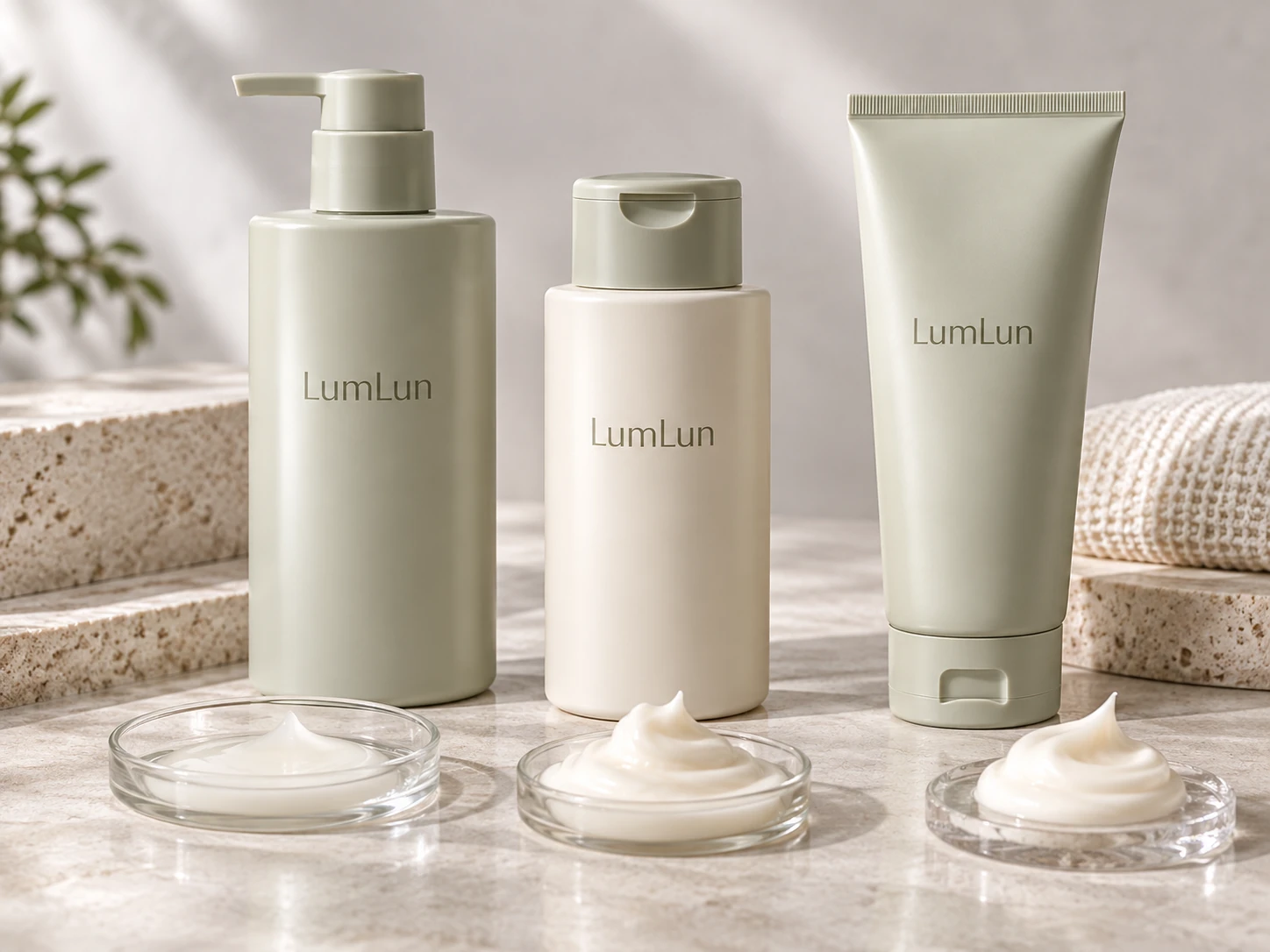
Compare three real LumLun hair care packaging models

Frosted PET Lotion Pump Bottle for Haircare | 300ml & 500ml

Dual-Wall PP Cream Jars for Body & Hair Care | 50ml to 200ml

35mm PE Cosmetic Tube with Dome Screw Cap | 60–150ml
Hair Masks Can Use a Cream Jar, Tube, or Pump Bottle
A hair mask usually has a more different use pattern from shampoo. It is often used less frequently, and the formula is generally thicker, so neither the capacity nor the packaging structure needs to copy shampoo.
For a thicker hair mask with a cream-like texture, a wide-mouth cream jar is a direct option. The larger opening allows consumers to take the required amount conveniently without relying on a pump to continuously move a high-viscosity formula. For projects that want consumers to control the amount by squeezing and reduce direct contact with the product inside a jar, a cosmetic tube is also common.
If the hair mask formula can pass through the pump system consistently, a lotion pump bottle can also be used, especially for a line that wants shampoo, conditioner, and hair mask to have a more consistent way of use. The final choice between a jar, tube, and pump bottle should depend on whether the formula can be dispensed smoothly and how the brand wants consumers to use the product, rather than fixing one structure simply because the product is called a hair mask.
Shampoo, Conditioner, and Hair Mask Capacities Do Not Need to Be Identical
Within the same hair care line, different products have different frequencies of use and overall consumption rates, so capacity does not need to be kept identical for visual consistency. Shampoo is usually consumed faster and can therefore use a 300ml, 500ml, or larger bottle; conditioner can be close to the shampoo capacity or adjusted according to actual use; a hair mask is often used less frequently, so a smaller jar or tube can also be appropriate.
For example, one line can consist of a 500ml shampoo pump bottle, a 300ml or 500ml conditioner bottle, and a 200ml hair mask jar. Although the structures and capacities are different, consumers can still clearly recognize them as one brand family as long as the visual system remains consistent.
Capacity also affects bottle proportion, pump size, product weight, and decoration area, so when choosing 300ml, 500ml, or 750ml, brands should not compare the capacity number alone. They also need to confirm whether the complete packaging model for that capacity is suitable for actual use.
Large-Capacity Bottles Need Stability, Not Simply Larger Dimensions
When shampoo or conditioner reaches 500ml, 750ml, or a larger capacity, the weight of the bottle after it is filled with formula increases significantly. Bottle bottom design, height-to-width proportion, pump height, and overall stability therefore become more important than they are with smaller packaging.
If the bottle is too tall and the bottom is too narrow, it may not be stable enough on a bathroom counter. If the bottle body is very wide and consumers still need to pick it up frequently, the brand also needs to consider whether it is easy to grip with wet hands. For large-capacity products, a pump bottle can usually reduce the need to repeatedly lift the whole package, which gives it a clear practical advantage for family-size or high-frequency products.
So when choosing large-capacity hair care packaging, it is not enough to confirm only whether a 500ml or 750ml option exists. The complete bottle model for that capacity should also maintain reasonable proportions, stability, and usability after it is filled with formula.
Different Packaging Structures Can Still Form a Unified Hair Care Line
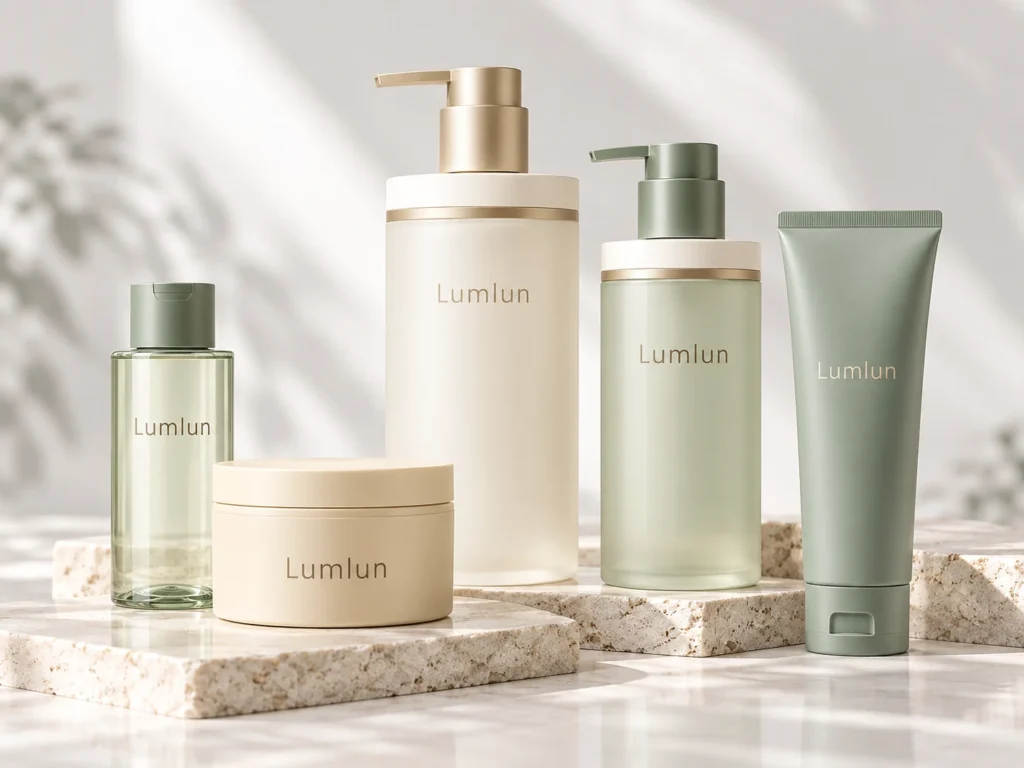
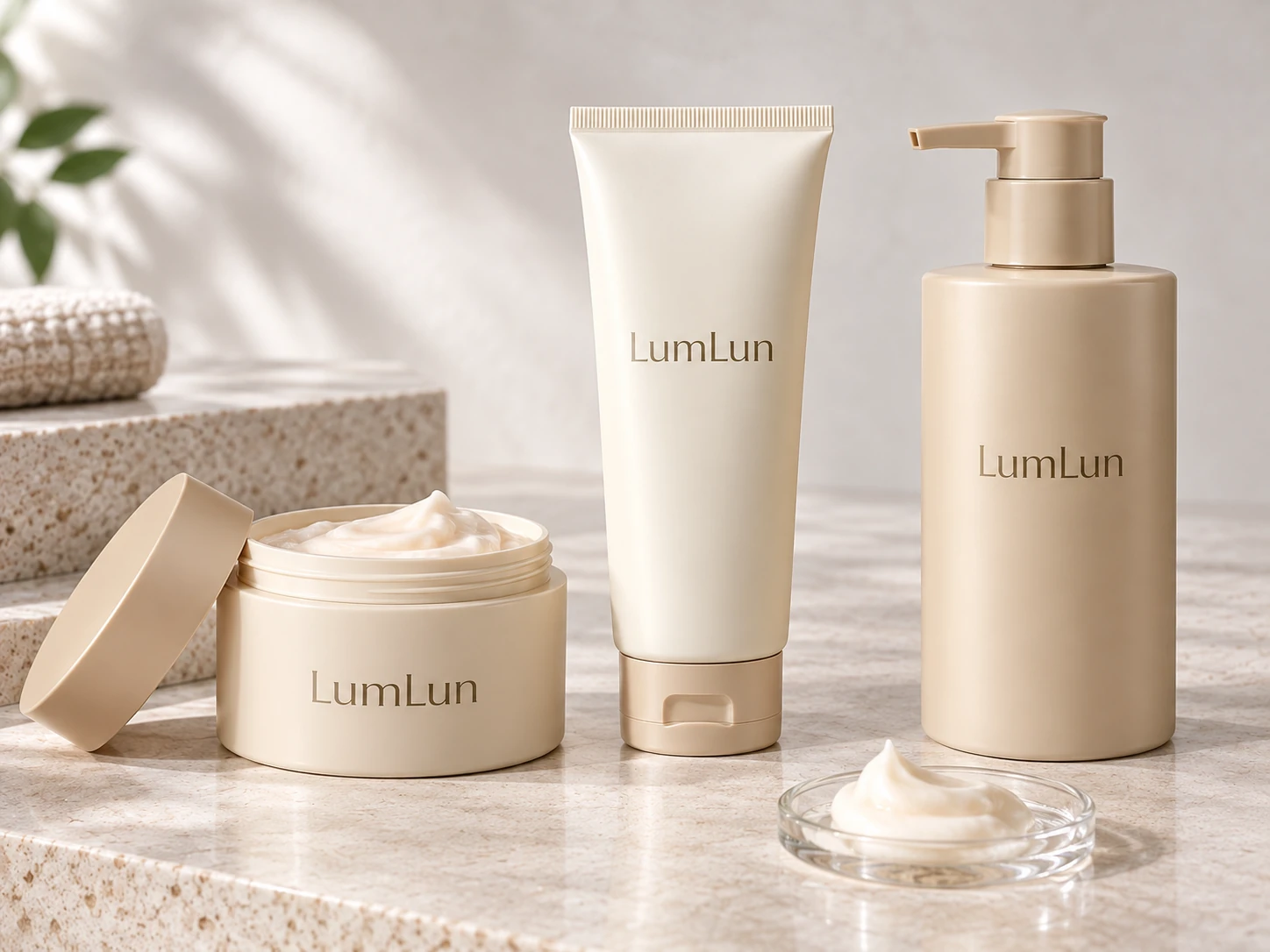
A shampoo in a pump bottle, a conditioner in another type of bottle, and a hair mask in a cream jar do not mean the whole line has to look fragmented. The unity of a packaging family comes more from a shared brand language than from requiring every SKU to use exactly the same container.
Brands can connect different structures into one line through the same or coordinated color, logo style, printing, surface finish, and graphic direction. For example, shampoo and conditioner can use similar bottle shapes while the hair mask uses a cream jar in the same color family; or all three products can use different containers while sharing the same frosted effect, logo proportion, and main visual elements.
It is important to note that different packages have different printable areas and proportions, so the artwork should be adjusted separately for the actual bottle, jar, or tube rather than mechanically scaling the same design. This preserves the unity of the line without sacrificing packaging function simply to make everything “look the same.”
Confirm the Final Packaging System with the Real Formula Before Mass Production
After the bottle, pump, cap, or tube has been selected, brands still need to carry out practical confirmation with the real shampoo, conditioner, or hair mask. Empty packaging can help assess shape, capacity, and basic structure, but it cannot fully represent how the pump, opening, closure, and container will perform after the real formula is filled.
For shampoo, brands can focus on pump output, pump return, and leakage. For a thicker conditioner, they need to confirm whether actual dispensing remains smooth. If a hair mask uses a pump, the brand should confirm whether the high-viscosity formula can continue to be dispensed; if it uses a tube or jar, the opening, dispensing method, and actual use condition should be checked.
There is no need to rebuild a complicated packaging theory here. The key is simply to confirm one thing: whether the formula that is ready for mass production and the final packaging model can actually work together properly. More complete formula compatibility, leakage, gasket, and surface-finish testing can be further confirmed through a dedicated compatibility testing process.
The Core of Hair Care Packaging Is Giving Each Product the Right Package
There is no fixed packaging combination that shampoo, conditioner, and hair masks must copy. A more practical development order is to first look at the formula, frequency of use, amount used each time, and the consumer’s actual dispensing action, and then decide the capacity, bottle, pump, cap, tube, or jar.
In general, shampoo is used in larger amounts, is consumed faster, and is often dispensed repeatedly in the shower, so a larger-capacity lotion pump bottle is a very common direction. Conditioner should be assessed according to its real viscosity to determine whether to continue with a pump or choose a flip-top bottle or tube. Hair masks can be matched with a pump bottle, cream jar, or cosmetic tube according to the formula and way of use.
Finally, the brand can bring these different packages together into one hair care packaging family through color, logo, printing, and surface finish. This avoids sacrificing practical use for the sake of a unified line, while also preventing different packaging structures from weakening brand recognition.