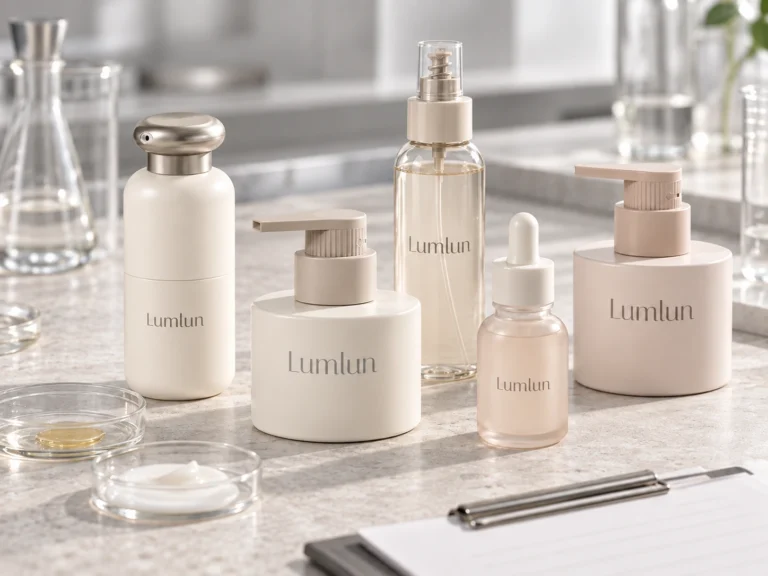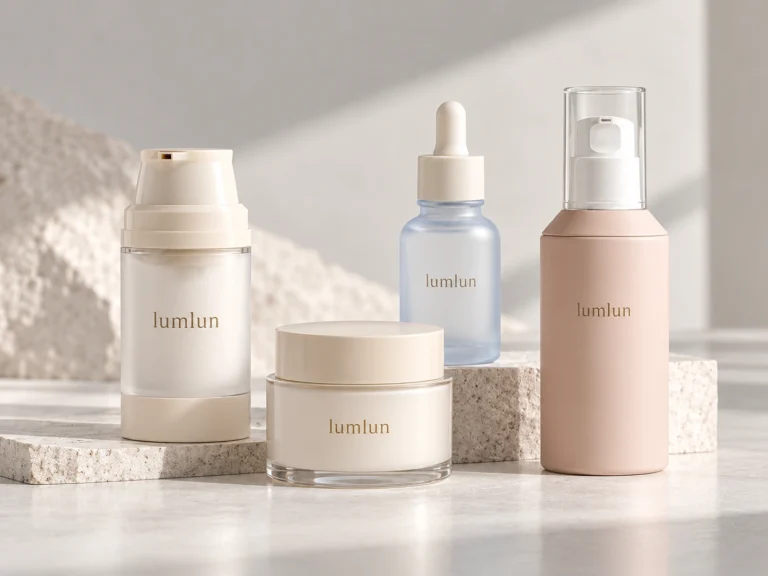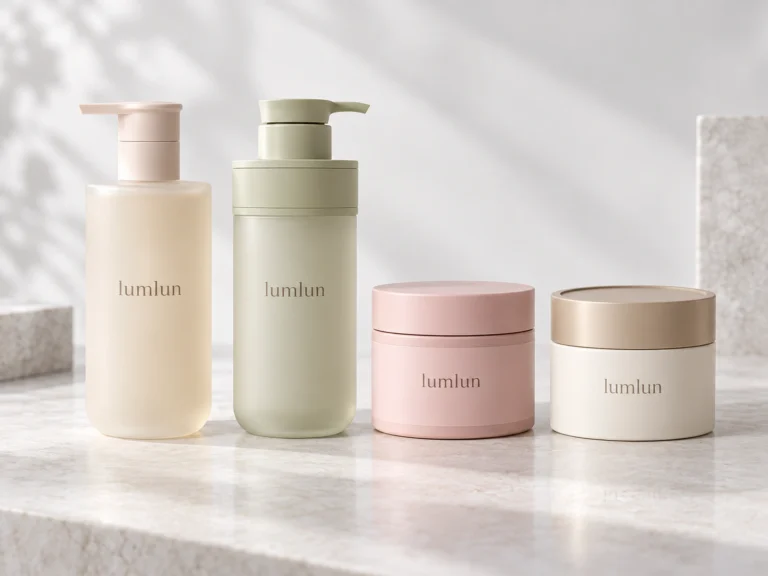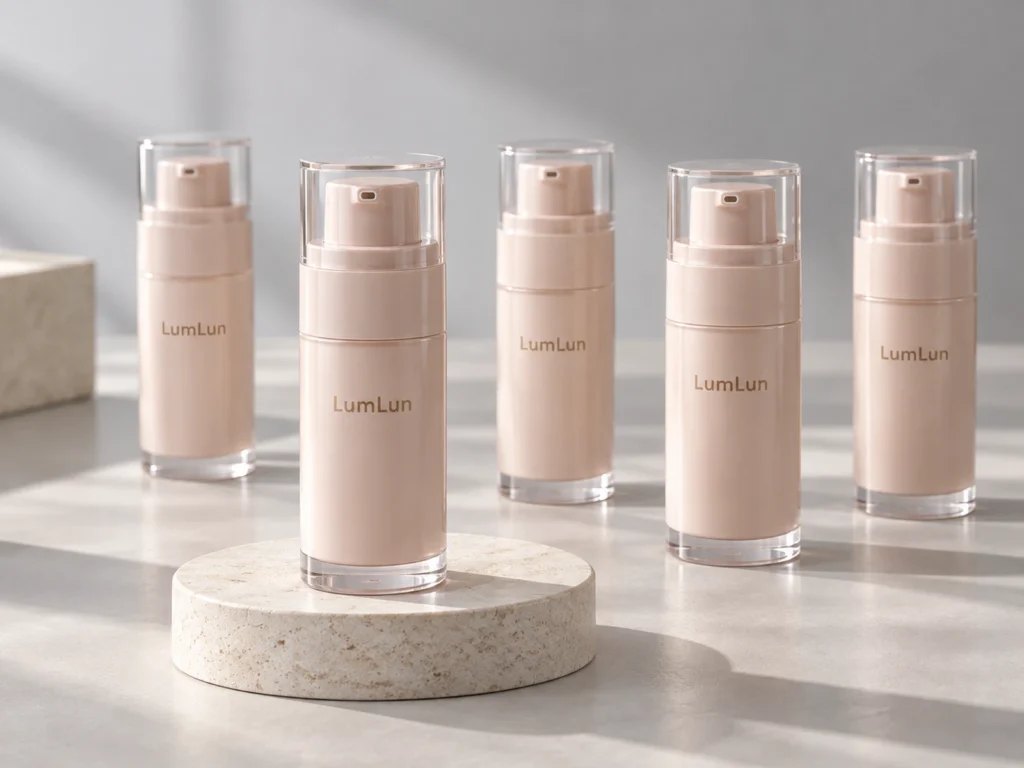
When a custom cosmetic packaging project enters bulk production, the question buyers usually care about is not “can this bottle work,” but whether the finished production run follows the pre-production sample that was already approved, whether the color, printing, surface finish and overall appearance remain stable, and, when slight variation appears in bulk production, what falls within reasonable manufacturing tolerance and what should actually be defined as a defect.
For a normal custom packaging project, color, logo, printing, hot stamping, coating, frosting, matte finish or other surface effects should normally be confirmed at the pre-production sample stage. After the customer approves the sample, the factory uses the approved pre-production sample, product specification and related process requirements as important references for bulk production.
Therefore, quality control during bulk production is not about deciding again what the product should look like. It is about confirming whether the packaging actually produced remains consistently within the standards already agreed by both sides.
What should bulk production follow after the pre-production sample is approved?
In a custom project, the Pantone color, artwork file, process requirements and product specifications are all important, but once the project enters real bulk production, the approved physical pre-production sample is often one of the most direct and important references.
This is because the same Pantone color can look different on different materials, levels of transparency and surface finishes. The same logo can also appear differently on a standard glossy bottle, a frosted bottle or a coated bottle. Therefore, after the customer approves the pre-production sample, bulk production will normally follow the approved physical result, including the color, logo position, printing, hot stamping, coating and other surface treatments.
Approving a pre-production sample therefore means more than simply “the customer has seen a sample.” It establishes the practical quality standard that the later production run is expected to follow.
Can bulk production guarantee that every bottle will be completely perfect?
In industrial mass production, it is not realistic to assume that every bottle, jar, tube, pump or cap will be completely identical in every minute detail.
Injection molding, blow molding, printing, spray coating, screen printing and hot stamping all involve reasonable manufacturing tolerances in large production runs. Professional quality control is therefore not about requiring thousands or tens of thousands of units to be theoretically “absolutely perfect.” It is about confirming that the overall production remains consistently within the quality range that both sides have already accepted.
For example, a very small molding mark, an extremely light friction mark, or a slight surface difference that can only be seen from a special angle at very close range does not necessarily mean that the unit must be classified as defective.
By contrast, an obvious scratch, serious deformation, missing logo, large area of incomplete printing, a color that clearly deviates from the approved pre-production sample, or another issue that visibly affects the final presentation of the product is a different type of quality problem.
Real quality control is not about pursuing zero variation. It is about keeping bulk production consistently within the acceptable standard agreed in advance by both sides.
What should actually be defined as a defect?
Different customers can have different quality expectations, so a “defect” should not simply mean “there is any tiny mark on the surface of the package.”
Some projects place more emphasis on cost and overall consistency, while some premium skincare brands set stricter requirements for front-facing areas, logos, hot stamping, coatings or other decoration. The same slight mark can have a very different impact if it appears on the bottom of a bottle or in a less visible area than if it appears next to the front logo.
For this reason, defect classification usually needs to consider how obvious the issue is, where it appears, and whether it affects normal use or the final brand presentation.
These quality standards are best discussed with the customer before bulk production begins. For example, both sides can clarify what level of color variation is acceptable, what kinds of small surface marks fall within a reasonable range, what situations need to be sorted out, and whether the customer has stricter requirements for the front-facing area.
The earlier these standards are made clear, the less likely it is that disagreements will arise after production because each side has a different idea of what “perfect” means.
What is the difference between sampling inspection and 100% inspection?
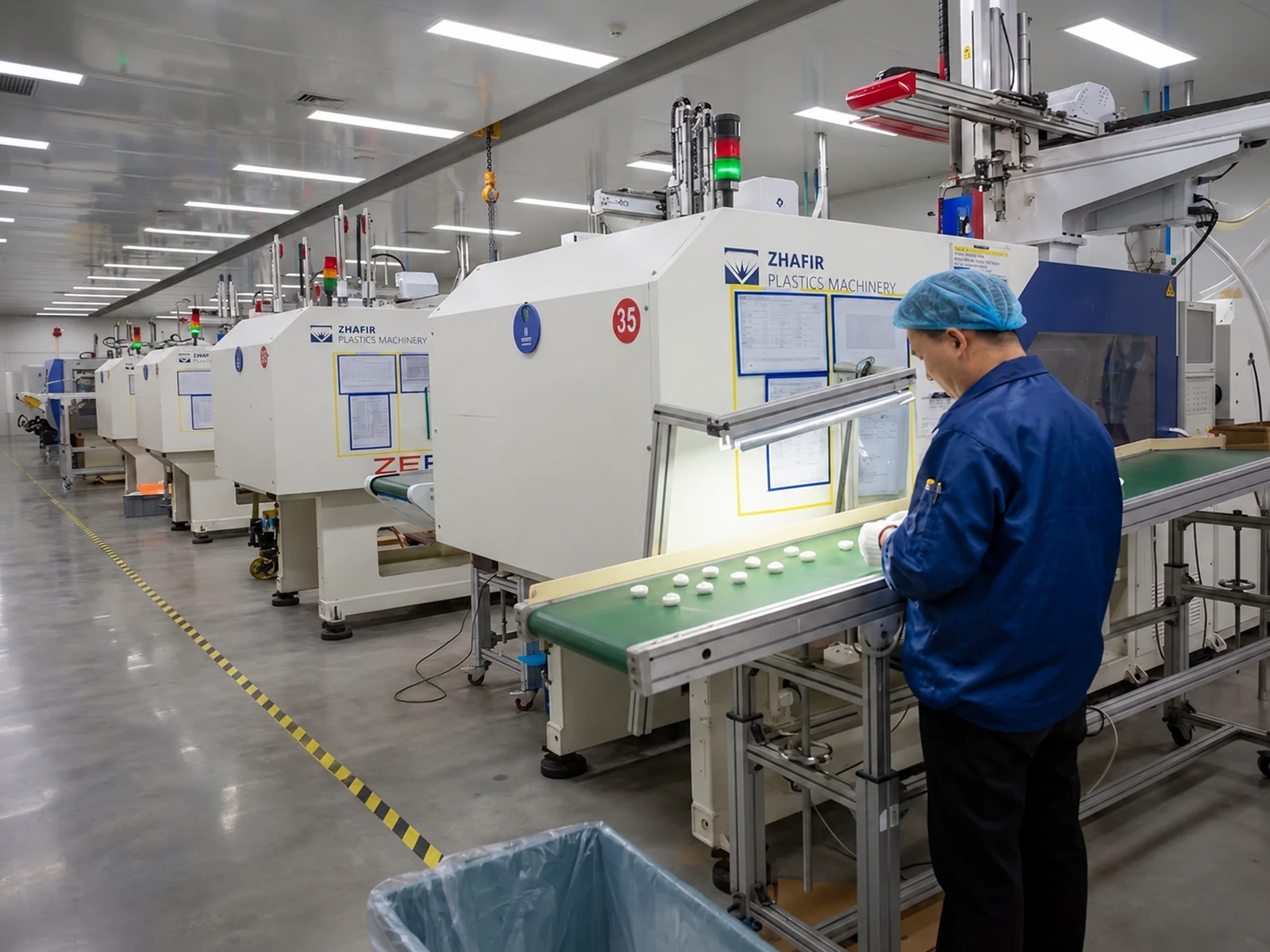
For most normal orders, the factory performs quality checks according to its own quality-control standards. Common approaches include sampling inspection and 100% inspection.
Sampling inspection is suitable for most routine production orders. The factory takes a defined number of units from the bulk production according to its established method and uses those representative samples to evaluate the consistency and quality condition of the production run. Compared with checking every unit, sampling inspection is more efficient and helps control labor and time costs.
If the customer has particularly high quality requirements—for example, a premium brand that is very sensitive to bottle surface, logo, printing, hot stamping or other visual details—the project can discuss a stricter inspection level or even a 100% inspection.
A 100% inspection means checking units one by one, so it requires more labor and time, and the inspection cost is normally higher than for standard sampling. Its advantage is that it can further reduce the probability that obvious defective units enter the final shipment.
However, 100% inspection does not mean that industrial production can be guaranteed to contain no tiny differences at all. Full inspection still follows the quality standard agreed by both sides. If a very slight surface variation already falls within that accepted range, it does not automatically become a defect simply because 100% inspection is used.
Therefore, the more practical sequence is: first agree on the quality criteria, then choose sampling inspection or 100% inspection according to the customer’s requirements and the project itself.
Why do higher quality requirements usually mean higher inspection costs?
Quality control itself is part of production cost.
For example, on an order of 10,000 units, a normal sampling inspection only requires checking a representative portion according to the established rules. If the customer requires every unit to be checked for bottle body, logo, printing, surface finish and other details, the factory needs to allocate more inspectors and more time.
Some products also need to be re-sorted, re-bagged or re-packed into cartons after inspection, which further increases labor cost.
When deciding the inspection level, customers therefore need to consider brand positioning, order quantity, product selling price and the quality issues that truly matter to the project. Stricter inspection can be very worthwhile for premium packaging, but requiring the highest inspection level for every order is not always the most reasonable use of cost.
Effective quality control is not simply “the more inspection, the better.” It is about putting inspection resources where they have the greatest impact on the final quality of the customer’s product.

What does bulk production quality inspection mainly check?
Because color, logo, surface decoration and the general product structure have already been confirmed at the pre-production sample stage, quality control during bulk production should focus more on production consistency and the control of obvious defects.
For example, the inspection should look at whether the bulk color remains reasonably close to the approved pre-production sample, whether there are obvious shade differences within the same production run, whether screen printing, hot stamping or other decoration has obvious missing areas, misalignment or contamination, whether the bottle surface has obvious scratches, serious molding marks, deformation or abnormal finishing, and whether products from different production batches or cartons remain reasonably consistent.
For custom packaging, consistency is often more important than finding one single “best-looking bottle.”
The customer is ultimately purchasing thousands or tens of thousands of units, so the real objective is to keep the entire production run consistently within the quality range already agreed by both sides.
A simple pre-shipment inspection logic
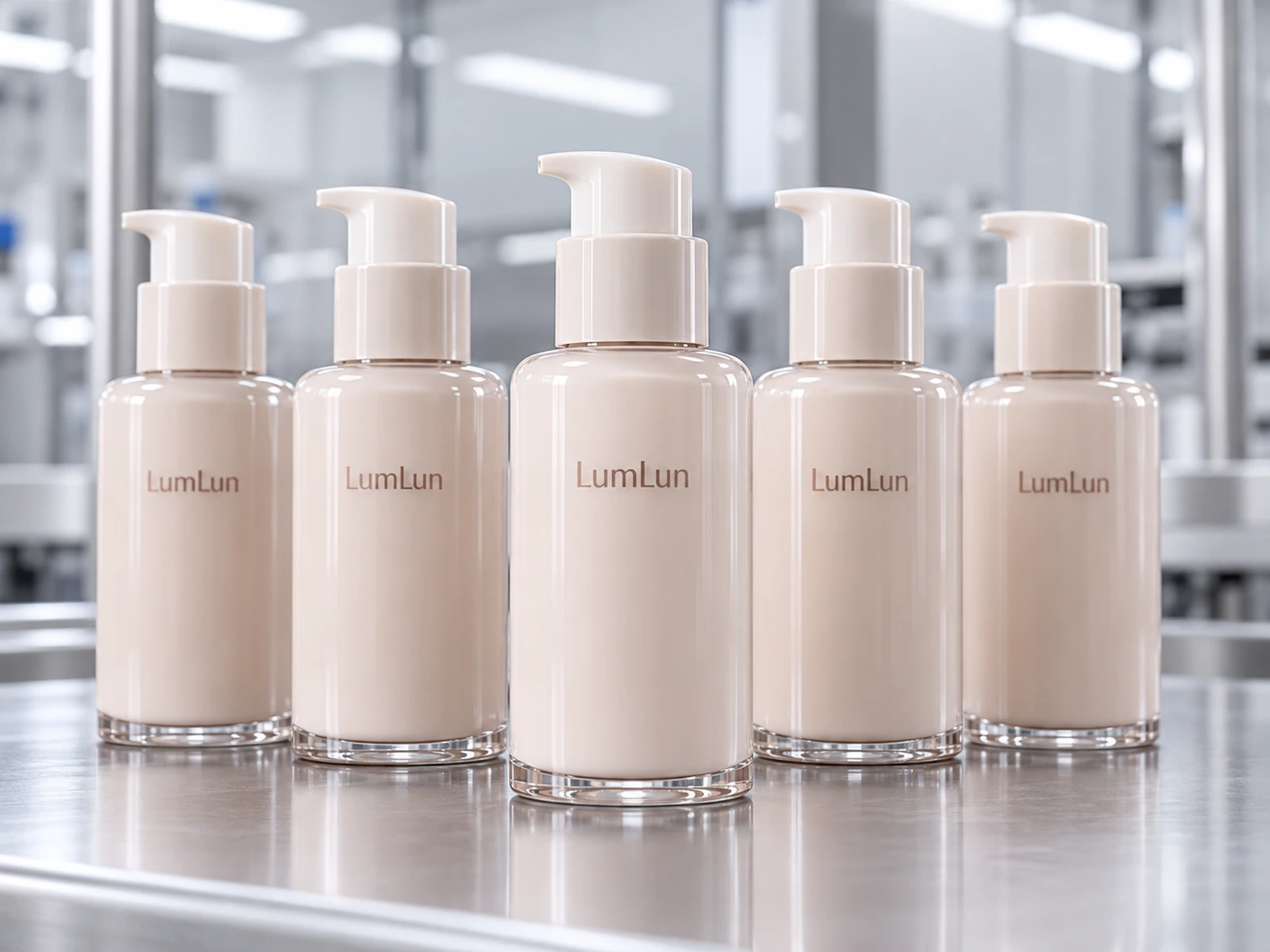
For a custom cosmetic packaging project that has already completed pre-production sample approval, the pre-shipment inspection can focus on several core questions.
| Inspection area | Main point to confirm |
|---|---|
| Consistency with the pre-production sample | Whether color, logo, printing, hot stamping, surface finish and other details remain within the approved range |
| Appearance quality | Whether there are obvious scratches, serious molding marks, contamination, deformation or other issues outside the agreed standard |
| Batch consistency | Whether there are obvious differences in color, decoration or appearance among sampled products |
| Components and quantity | Whether the bottle, pump, cap, dropper and other models and quantities are correct |
| Packing method | Whether the normal factory packing standard for the corresponding product has been followed |
| Shipping marks | Whether the information confirmed before bulk production has been applied |
| Pallets | Confirmed before shipment according to the final transport method and customer requirements |
This table is not intended to replace the quality standard for a specific project. It is intended to help buyers understand that the purpose of bulk-production quality control is not to redevelop the product, but to confirm whether the approved production standard has been executed consistently.

Should product function wait until bulk production is finished before it is tested?
Usually not.
Whether a pump works properly, whether a sprayer produces the expected spray, whether a dropper is suitable for the corresponding bottle, and whether different components match correctly are product-structure and basic-function questions that should normally be confirmed before bulk production begins. This is also one of the important purposes of the stock sample and pre-production sample stages.
If a product has an obvious structural problem, the correct process is to discover and resolve it before formal production, rather than produce a large quantity first and then rely on final shipment inspection to decide whether the product can be used.
Therefore, quality control after bulk production should focus on whether production has been executed consistently, rather than repeating a complete product-development test. For projects with specific requirements, the factory can still perform sampling checks on certain functions according to the agreed standard, but this remains part of bulk-production quality control and does not mean that the product structure is being confirmed for the first time just before shipment.
Why are many packaging components packed separately?
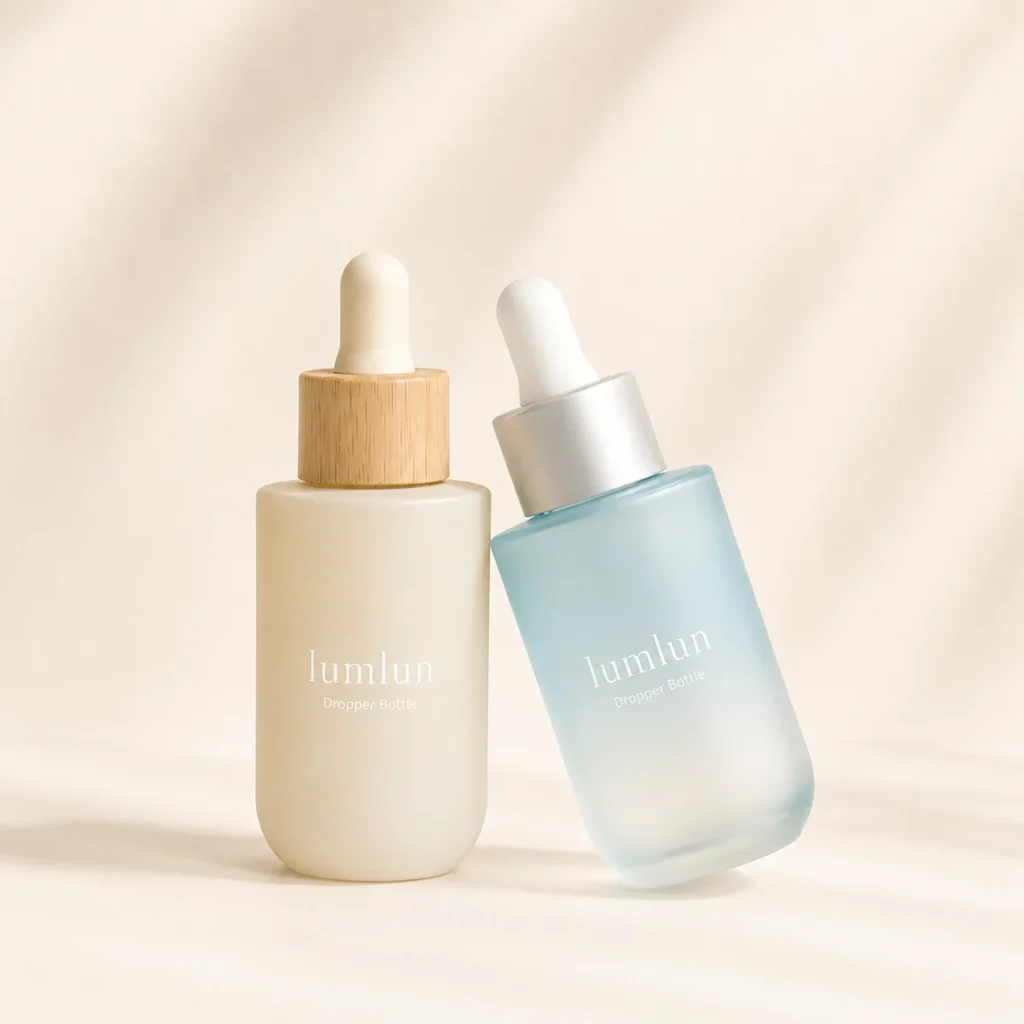
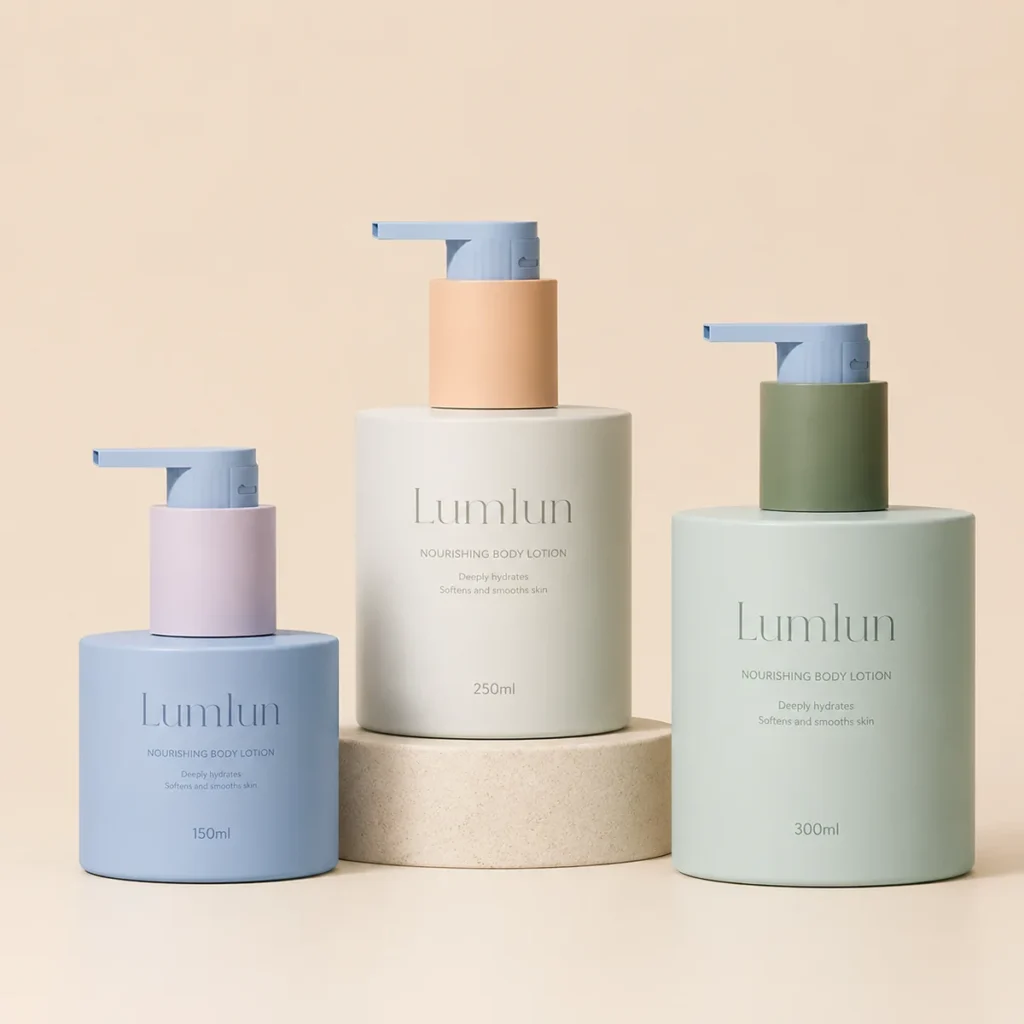
This depends on the specific product and the customer’s filling process. In many cosmetic packaging projects, the bottle, pump, cap, dropper or other components have already been matched and confirmed during sampling and before bulk production, but they are packed separately for shipment so that the customer can carry out filling later.
For example, the customer normally fills the formula into the bottle first and then installs the pump, cap or other closure. Separate packing of the components does not mean they were not matched in advance; it is simply arranged to fit the customer’s later filling and assembly process.
The supplier needs to make sure that the delivered components are the correct combination that was already approved. After filling, the customer completes final installation according to its own production process. Actual packing and installation methods can vary by product, so the final arrangement still depends on the product structure and filling method.
How is bulk cosmetic packaging normally packed for shipment?
Most cosmetic packaging orders do not require the customer to design a transport packing method from scratch. Under normal circumstances, the factory packs and cartons the goods according to the standard packing method for the relevant product, using appropriate basic protection according to the material and structure.
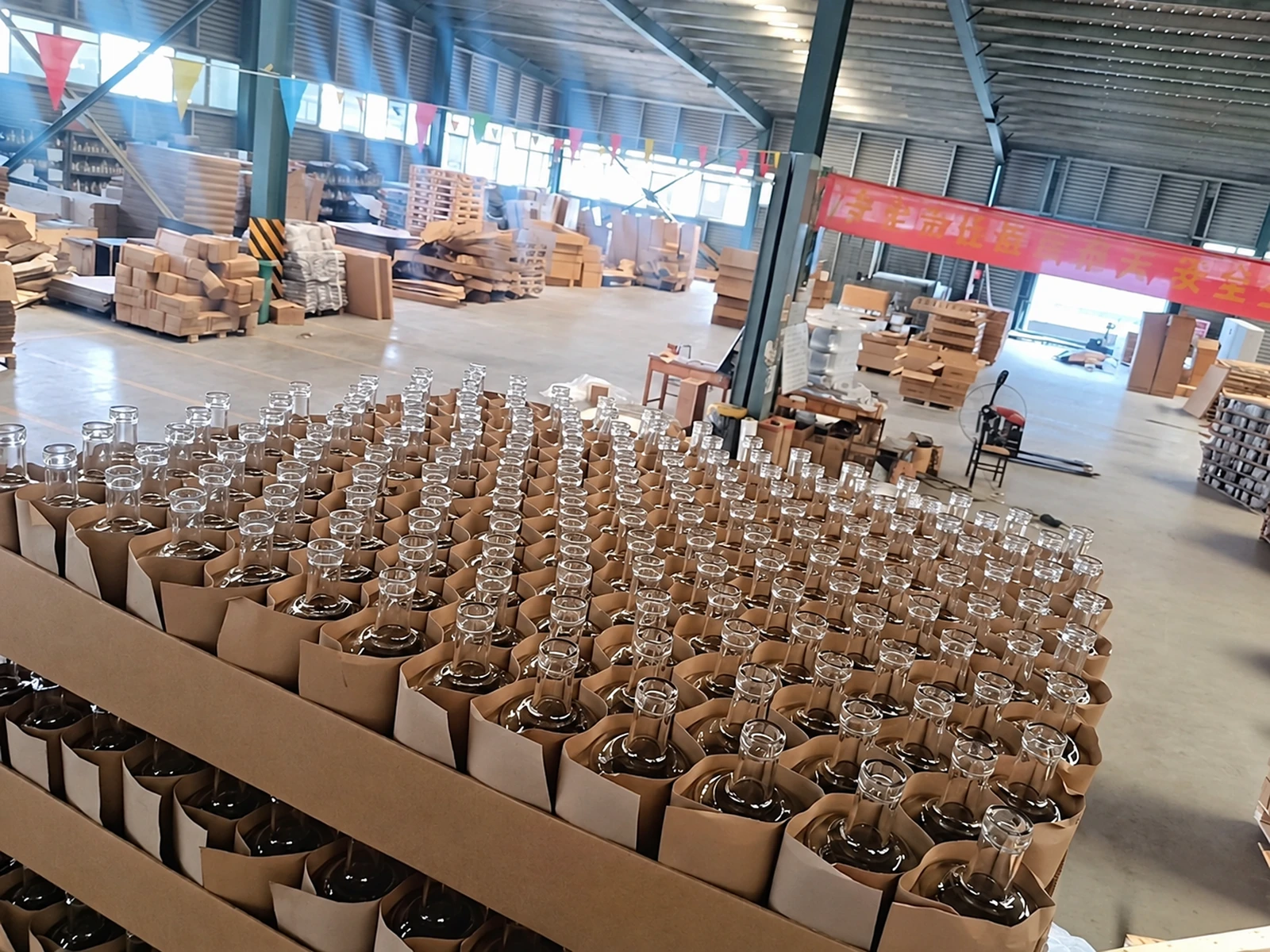
For example, glass bottles or jars need more protection against direct contact and impact, so normal packing usually uses cardboard dividers or partitions to separate individual units. Plastic bottles, jars or other plastic packaging are usually protected with plastic bags or PE bags according to the product, and are then placed into cartons using the factory’s normal packing method.
Standard packing is not identical for every product. Glass bottles, plastic bottles, pumps, caps, tubes and packaging with special surface treatments can all use different normal factory packing methods.
If the customer has no special requirement, the factory’s established standard packing method is normally sufficient. If the customer requires a special quantity per carton, individual packing or additional protection, those requirements can also be discussed before bulk production.
Why does standard packing not mean “careless packing”?
Using the factory’s normal packing standard does not mean simply placing the products into a carton.
These standard packing methods are routine solutions developed through long-term production and shipping experience. Their purpose is to provide reasonable protection for different types of packaging while controlling packing cost and shipping volume.
For example, dividers are used for glass packaging mainly to reduce direct collision between glass units. Plastic bags used for plastic packaging can help reduce friction during handling and transport while also helping keep the product surface clean.
If a product has a special coating, hot stamping, a high-gloss surface or another decoration that is more sensitive to rubbing, additional protection can also be discussed according to the specific project.
So the real question in transport packing is not whether more packing material is always better, but whether the current packing method is appropriate for this product and the expected shipping method.
When should shipping marks be confirmed?
Shipping marks should not normally be left until all production is finished. They should be confirmed clearly with the customer before bulk production.
The customer may provide company information, product model, order number, carton number or other information that needs to appear on the outer carton. The exact format follows the requirements of the specific order.
Confirming the shipping marks in advance allows the factory to use the approved information directly during later packing and cartoning, avoiding additional changes to the outer cartons after the goods have already been completed.
Therefore, before formal bulk production begins, the relevant shipping-mark requirements should be confirmed together with the product color, logo, process and quality requirements.
Does the shipment need to be palletized?
Whether pallets are used is normally not a product-quality issue; it is part of the final shipping arrangement.
Order quantity, carton volume, transport method, freight-forwarder requirements and the receiving requirements of the customer’s warehouse can all differ, so not every order must be palletized.
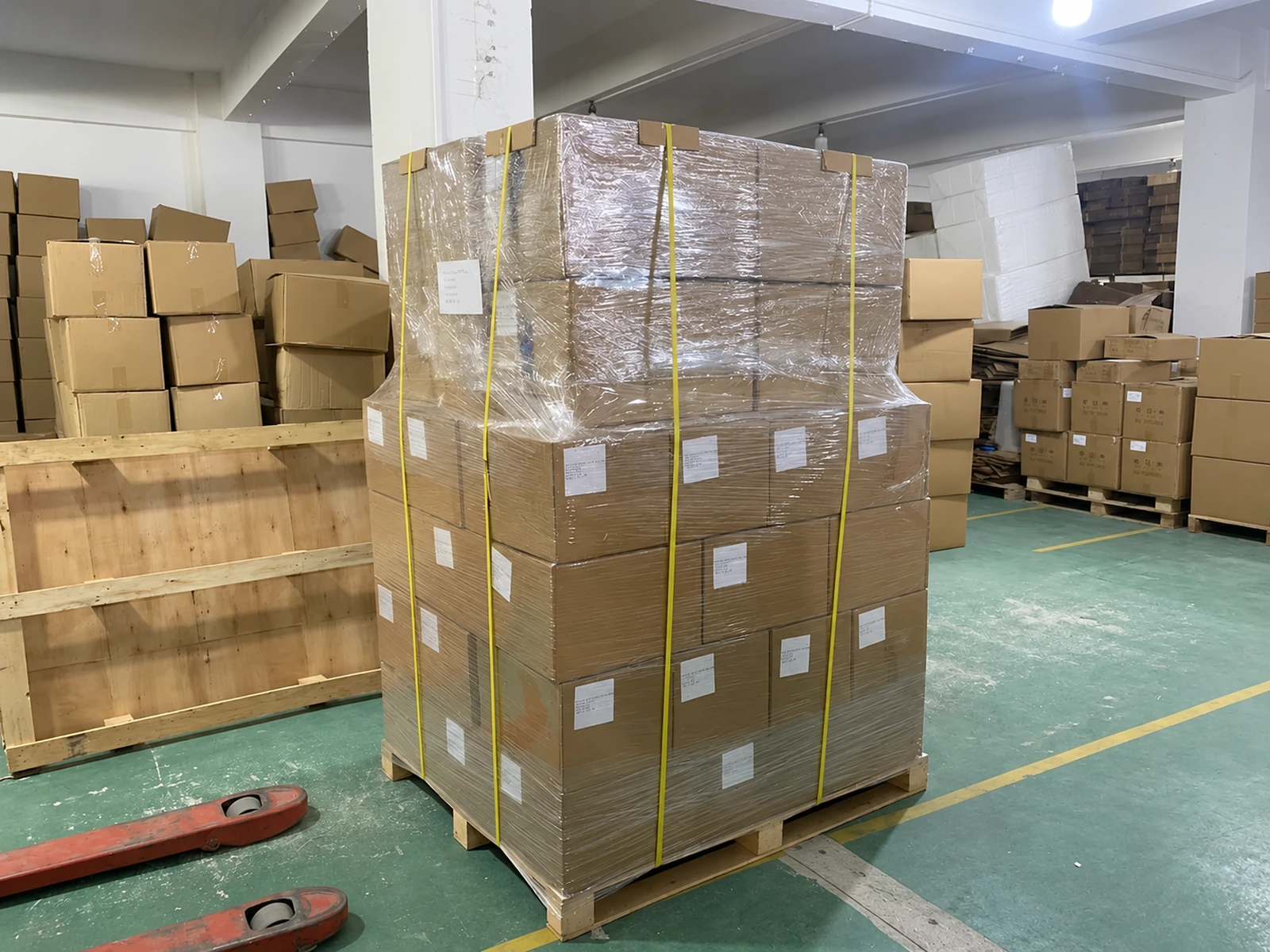
Before shipment, the final transport arrangement is normally discussed with the customer. If the customer, freight forwarder or warehouse requires pallets, or if the chosen shipping method is better suited to palletized cargo, palletizing can be arranged accordingly.
So the normal sequence is: confirm the product requirements and shipping marks before bulk production, pack the finished goods according to the factory’s standard method, and then confirm whether pallets are required before the shipment is dispatched.
However, we generally recommend palletizing because it can help protect the bottles by reducing movement inside the cartons and can also reduce the risk of cartons being separated or lost.
What is the difference between a pre-production sample and bulk production inspection?
These two stages have completely different roles.
A pre-production sample is mainly used to confirm what the final customized packaging should look like. The customer reviews the color, logo, printing, decoration, surface finish and other important customized effects. After approval, the factory uses those approved standards for bulk production.
Bulk production inspection, on the other hand, mainly confirms whether the actual production run has been executed consistently according to the approved standard.
The normal process is therefore not to wait until bulk production is finished and then reopen the discussion about what the color should be or where the logo should be placed. The approved pre-production sample and related standards are used to judge whether the finished production stays within the acceptable range.
In simple terms:
The pre-production sample defines the standard; bulk production inspection confirms whether the production run followed that standard.
How should customers choose between sampling inspection and 100% inspection?
No single inspection method is suitable for every packaging order.
If the production process is mature, the customer has approved the pre-production sample, and there are no unusually strict visual requirements, a reasonable sampling inspection can usually balance quality, efficiency and cost.
If the product belongs to a premium brand, or if the customer is especially sensitive to logo, surface finish, hot stamping or other visual details, the customer can discuss a higher inspection ratio or, depending on the project, arrange a 100% inspection.
Whichever method is used, the most important point is still to define the quality standard in advance.
That is because the inspection method determines “how much is checked,” while the quality standard determines “what counts as defective.”
Without a quality standard agreed in advance, even a 100% inspection can lead to different judgments about whether the same slight mark should be classified as defective.
FAQ
After the pre-production sample is approved, does the bulk color need to be confirmed again?
Under normal circumstances, bulk production follows the approved pre-production sample and the project’s color requirements. The inspection mainly checks whether the actual production remains reasonably consistent with the approved sample and whether there are obvious color abnormalities within the same production run, rather than choosing the color again at this stage.
If there is a tiny molding mark on a bottle, does that automatically make it defective?
Not necessarily. Whether it is a defect depends on the quality standard agreed by both sides in advance. A very slight mark in a less visible area that does not affect normal use or the overall product presentation may not be classified as defective. An obvious scratch, serious deformation, missing logo or another issue that visibly affects appearance is a different situation.
Can 100% inspection guarantee that there will be no defective units at all?
100% inspection increases inspection coverage and can further reduce the probability that obvious defective units enter the final shipment, but it does not mean that industrial mass production contains no reasonable tolerance or minute variation. Full inspection still follows the agreed quality standard and also requires additional labor, time and cost.
Why are the bottle and pump packed separately?
Many customers need to complete filling first and then install the pump, cap, dropper or other closure, so the relevant components may be packed separately for shipment. Although the components are packed separately, their matching relationship should already have been confirmed before bulk production.
Does product function need to be tested again after bulk production is finished?
Under normal circumstances, product structure, component matching and main functions should already have been confirmed during sample approval and before bulk production. Quality control after production mainly focuses on production consistency and defect control rather than deciding again whether the product structure is workable.
How is cosmetic packaging normally packed into cartons?
Normally, the factory uses its established standard packing method for different products. Glass packaging commonly uses dividers to reduce contact and collision, while plastic bottles or jars are protected with plastic bags according to the product. If the customer has special packing requirements, these can be discussed before bulk production.
When should shipping marks be confirmed?
Shipping-mark requirements are normally confirmed with the customer before bulk production so the factory can use the approved information for later outer-carton packing instead of modifying the cartons after the production run is complete.
Does every shipment need pallets?
No. Whether pallets are used depends on order quantity, product type, transport method, freight-forwarder requirements and the customer warehouse. It is normally confirmed with the customer before shipment.
When should a customer request stricter quality inspection?
Ideally during sampling or before bulk production. If the customer requires stricter appearance standards, a higher inspection ratio or 100% inspection, discussing this early allows the supplier to consider it together with quotation, lead time, production and quality-control arrangements instead of adding the requirement after the full production run is finished.
What should pre-shipment quality inspection actually solve?
A mature cosmetic packaging project does not need to return to the beginning and revalidate every issue that has already been confirmed before the bulk order is shipped.
At this stage, the more important questions are: Was the bulk order produced according to the approved pre-production sample? Does the production run remain within the quality standard agreed in advance by both sides? And, through sampling inspection or the stricter inspection requested by the customer, can obvious defective units be controlled within a reasonable range?
After production, the products are protected and cartoned according to the factory’s normal packing standard for the relevant packaging type. Glass packaging commonly uses dividers, while plastic packaging uses plastic bags according to the product. Shipping marks are confirmed with the customer before bulk production, and whether pallets are needed is discussed before shipment according to the actual transport arrangement.
Professional quality control does not mean promising that “every bottle has absolutely no tiny mark.” Industrial mass production naturally involves reasonable tolerances. What matters more is confirming the pre-production sample, color, decoration, surface finish, defect criteria and other key requirements before production, then producing and inspecting the bulk order consistently according to those standards.
In this way, what the customer receives is not a theoretically “absolutely perfect” batch, but a batch of cosmetic packaging with clear quality standards, stable production results, a controlled inspection method and conformity with the requirements already agreed by both sides.