Pre-production decision guide
Direct answer: approve an airless bottle sample only after the exact model, capacity, pump, cap, decoration and intended formula have been reviewed as one version. The approval record should describe what was tested, what was observed and which conditions must remain unchanged for production.
A sample that looks correct is not automatically ready for mass production. Priming, dispensing, visible leakage, end-of-use behaviour, compatibility and decoration all depend on the selected component system and the actual formula. This checklist helps a brand, filler or packaging buyer turn a physical sample into a controlled production reference without inventing universal acceptance numbers.
What an Airless Bottle Sample Approval Should Decide
The purpose is not to prove that every airless bottle performs the same way. It is to decide whether one defined sample is suitable for the current project and whether its approved conditions can be reproduced in production.
Exact pack identity
Model, capacity, bottle body, pump, actuator, collar, cap and any inner or outer component.
Filled-product behaviour
Filling, priming, dispensing, visible leakage, evacuation and formula contact observations.
Visible execution
Colour, finish, artwork position, print or label appearance and component matching.
Production reference
The retained sample, signed record, approved files and any conditional actions that must be closed.
Lock the Exact Airless Bottle Version Before Testing
Do not test a generic “airless bottle” and approve a different configuration. Record the exact model or supplier reference, capacity, material description, component colours, actuator and cap, decoration route and sample date. If a pump, cap, bottle body or decoration changes, decide whether the affected checks must be repeated.

If the project has not yet fixed the base structure, first review whether a current model or a structural development route is appropriate in LumLun’s guide to existing airless models and custom tooling.
Prepare a Short Test Brief
| Record before testing | Why it matters | Example of a controlled entry |
|---|---|---|
| Sample identity | Prevents a result from being assigned to the wrong component set. | Supplier reference, capacity, pump/cap version, colour and sample date. |
| Formula identity | Dispensing and compatibility are formula-dependent. | Formula code, batch/date, general product format and relevant storage condition. |
| Filling method | Incorrect filling or incomplete assembly can distort the result. | Filled quantity, filling direction, assembly steps and operator. |
| Observation plan | Keeps the review consistent without inventing a universal limit. | Orientation, observation times, number of samples and project-specific acceptance criteria. |
| Decoration file | Links the physical sample to the approved artwork. | Artwork version, colour reference, print/label position and finish. |
Product discovery
Compare Real Airless Bottle Starting Points
Use current product pages to select a real model first. Then approve the exact capacity, component set, decoration and filled-product performance on the physical sample.
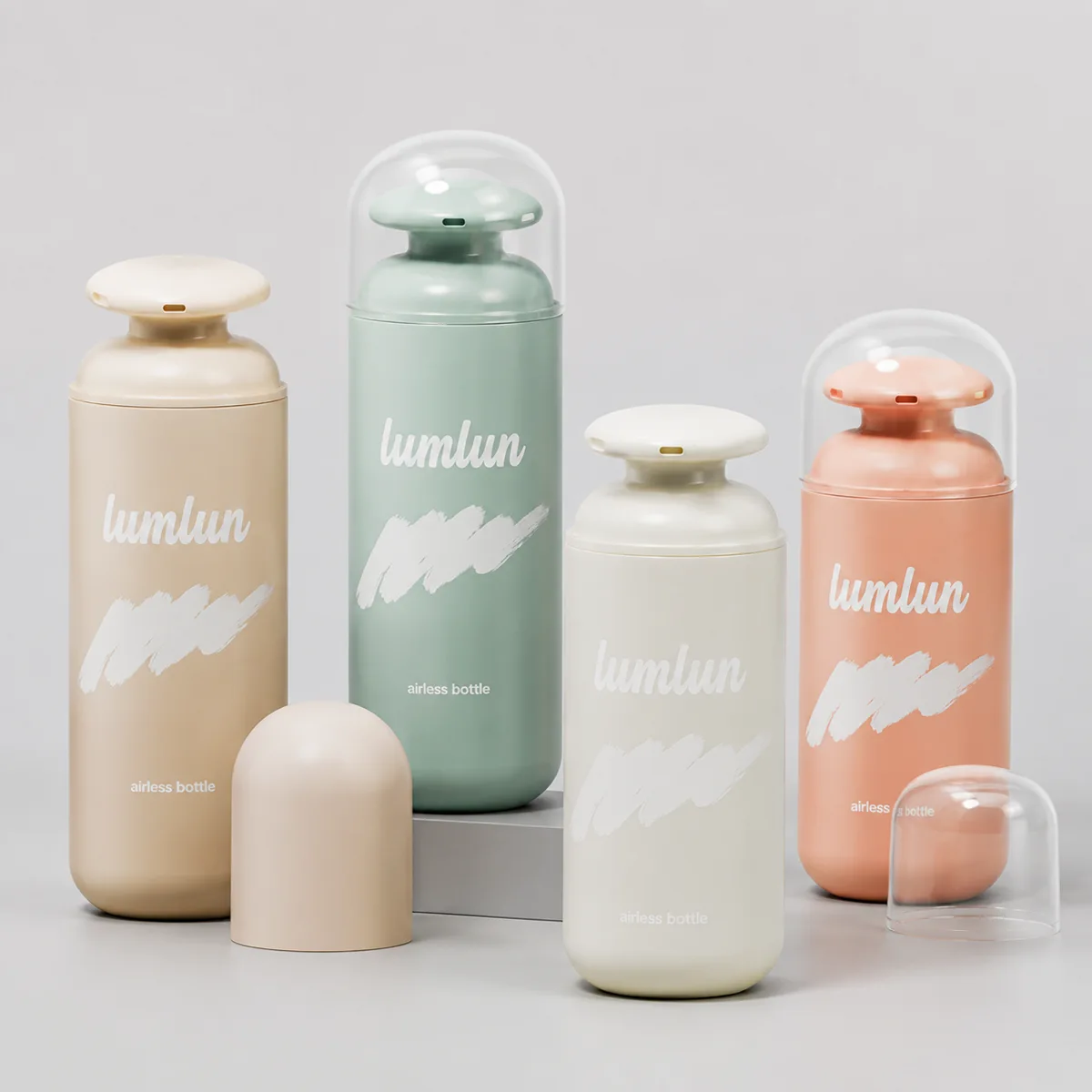
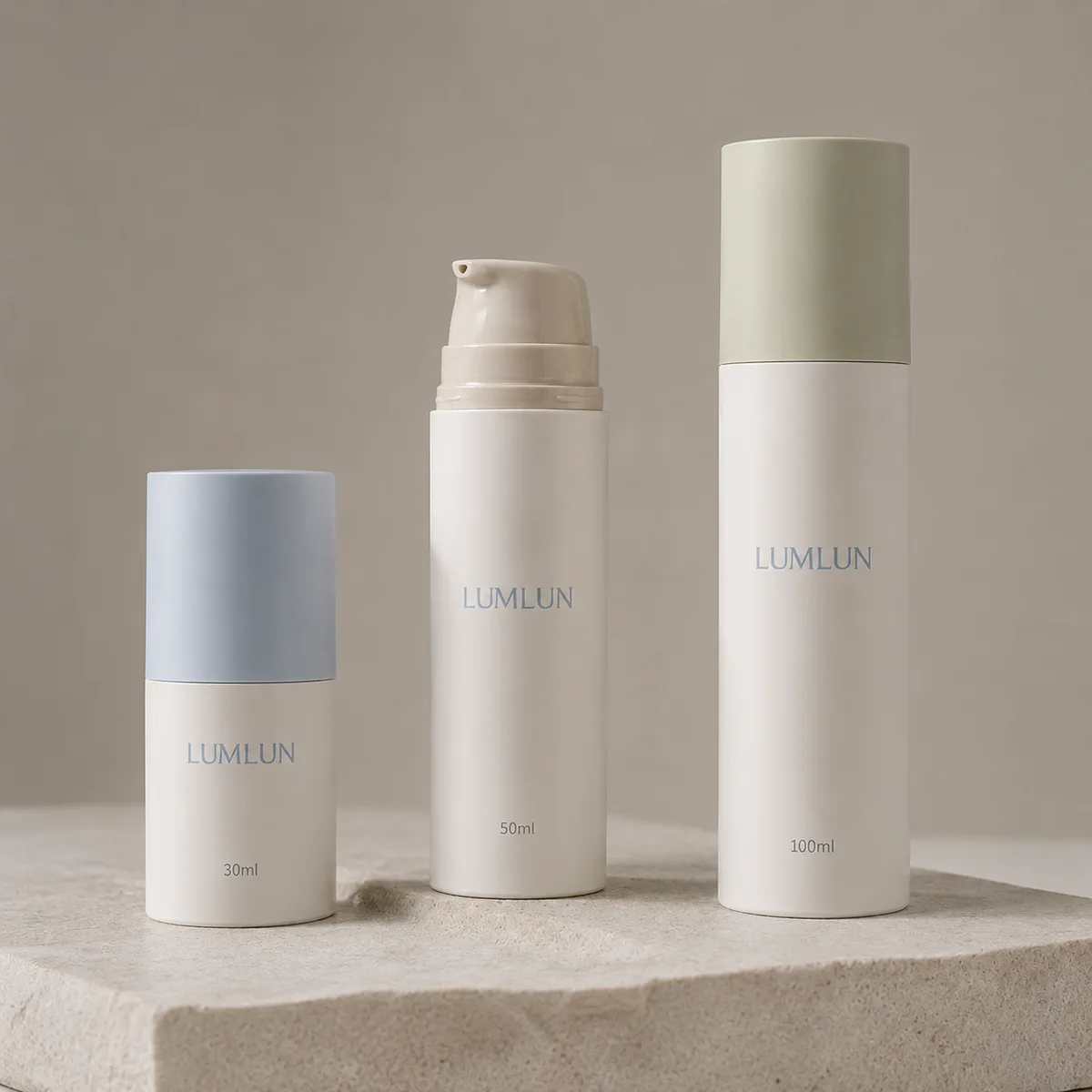
PP Airless Pump Bottle — 30ml, 50ml & 100ml
A PP airless pump bottle family in three currently listed capacities.
PETG Body & PP Pump Airless Bottle — 30ml, 50ml & 100ml
A PETG + PP airless bottle family for buyers comparing another real material and component route.
Run the Sample Approval Checks in a Fixed Order
1. Confirm the Sample Identity and Component Combination
Compare the sample with the quotation, drawing, specification, artwork and product link. Check the model, capacity, visible material route, pump, cap, collar, bottle body and any inner container. Photograph the approved set together so a later component substitution is easier to detect.
2. Review Filling and Assembly
Use the supplier’s instructions for the selected model. Record how the formula was filled, the actual filled quantity and how every component was assembled. Watch for cross-threading, incomplete seating, trapped product, damaged sealing surfaces or visible distortion. A poor filling or assembly process can look like a package failure, so record both the package and the process.
3. Record Priming Behaviour
Operate each filled sample consistently and record the number of actuations before the first useful dispense, any air-only strokes and whether the actuator returns normally. Do not copy one universal priming limit across different formulas or pump systems; approve the project’s observed result against its defined use and acceptance criteria.

4. Check Continuous Dispensing and Output Consistency
After priming, observe a sequence of dispenses. Record skipped output, sputtering, delayed return, inconsistent appearance, drips at the nozzle or other repeatable behaviour. If dose mass matters, use an agreed measurement method, sample count and tolerance supplied by the project team; do not infer pump output from appearance alone.
5. Observe Leakage, Sealing and Handling
Inspect the nozzle, collar, bottle joints and base before and after the agreed handling and orientation checks. Record the filled quantity, closure condition, orientation, duration, temperature and packing condition. A short in-house observation can find visible issues, but it is not proof that the package is leakproof and does not replace a qualified transport or long-term test plan.

6. Review End-of-Use Evacuation
Operate the package through the project’s agreed end point and record the remaining product using a defined method. Note loss of prime, irregular delivery or product that remains inaccessible. Evacuation depends on formula rheology, filling, pump system, container geometry and use conditions, so compare only results obtained with a controlled method.
7. Plan Formula and Component Compatibility
Compatibility cannot be approved from one short dispensing session. Define which formula-contact components are being evaluated, the storage conditions, checkpoints and responsible reviewer. Look for changes in appearance, odour, viscosity, colour, swelling, cracking, stress, softening, corrosion, seal behaviour or dispensing. The required protocol and duration belong to the actual formula, package and target market.
8. Approve Decoration and User Operation
Compare colour and finish under controlled lighting. Check artwork version, position, orientation, legibility, adhesion and resistance using project-approved methods. Also confirm the cap and actuator operation, opening/locking action where applicable, nozzle direction and any assembly or filling marks. Decoration approval does not override functional approval, and a functional sample does not automatically approve the final decorated version.
Choose a Clear Sample Decision
| Decision | Use it when | Required record |
|---|---|---|
| Approve | All agreed checks meet the project criteria and no open change affects the tested version. | Signed sample reference, specification, artwork and approval date. |
| Approve with conditions | A bounded action remains, but it does not invalidate the approved configuration. | Exact condition, owner, due date and evidence required before production release. |
| Revise and retest | A component, process, decoration or formula-related issue may be correctable. | Change description and the checks that must be repeated on the revised sample. |
| Reject this sample | The sample cannot meet a material requirement or its identity is not controlled. | Observed failure, affected requirement and whether another real model should be evaluated. |
Approve Conditions, Not Only a Physical Bottle
The signed sample is useful only when it is connected to the files and conditions that created it. The approval package should state which changes require notification and possible retesting.
- Exact model, capacity and component combination
- Approved formula code or defined test surrogate, where applicable
- Filling and assembly method used for the review
- Approved artwork file, colour reference and decoration route
- Project-specific functional and appearance acceptance criteria
- Open conditions, owners and closure evidence
- Retained sample location and approval signatures
- Change-control rule for component, material, process or artwork revisions
Common Sample Approval Mistakes
Approving appearance only
A correct colour and logo do not confirm priming, dispensing, leakage, evacuation or compatibility.
Testing one version and ordering another
Changing the pump, cap, material route or assembly after testing can invalidate the result.
Using water as universal proof
A simple surrogate may help an early mechanism check, but it does not prove behaviour with the intended formula.
Writing “pass” without conditions
A result without sample identity, method, duration and acceptance criteria cannot become a reliable production reference.
Calling a short check “leakproof”
State exactly what was observed; do not turn a limited orientation check into a universal performance claim.
Leaving changes outside control
Define when a new component, formula, decoration or process requires review and retesting.
A Practical Airless Bottle Sample Approval Record
| Record field | What to enter |
|---|---|
| Project and sample | Project name, supplier, model/reference, capacity, sample date and sample quantity. |
| Component set | Bottle/body, pump, actuator, collar, cap, inner component and colour/finish references. |
| Formula and fill | Formula code/batch, filled quantity, filling method, assembly method and operator. |
| Functional observations | Priming, dispensing sequence, output method if measured, nozzle behaviour, visible leakage and end-of-use result. |
| Compatibility plan | Contact components, storage conditions, checkpoints, observations and reviewer. |
| Decoration | Artwork version, colour standard, position, print/label/finish method and appearance result. |
| Decision | Approve, approve with conditions, revise and retest, or reject; include reasons and open actions. |
| Control | Retained sample location, signatures, approval date and changes that require renewed approval. |
Next step
Send the Exact Model and Formula Brief for Sample Review
Share the product link or reference image, target capacity, formula format, intended fill quantity, component and decoration direction, planned order quantity and the checks your team needs before production. LumLun can then review suitable real models and the sample route for the project.
Request a Quote and Sample Review Browse current Airless models
Technical Review Note
Packaging suitability, dispensing performance, formula compatibility and test acceptance criteria are model- and formula-specific. Confirm them with the responsible packaging, quality or technical reviewer before production release.