When you see a 100ml, 150ml, 200ml or 250ml toner pad jar, it is easy to start by comparing the capacity number.
But for pre-soaked toner pad products, capacity only gives you a starting point for jar size. It does not directly tell you how many pads the jar can accommodate.
Two projects can both begin with a 150ml jar, but if one uses smaller, thinner pads and the other uses wider, thicker pads, the internal space they need can be completely different.
So a more practical starting point is not “Do I need 150ml or 200ml?” It is to look first at how large the pads are, how thick they are, how many pieces you plan to pack, and how much space the complete stack occupies after it is saturated with essence.
This is why toner pad packaging is best considered as one system: pad size, pad count, essence volume and usable internal packaging space need to make sense together.
If you want a quick first check, these are the six points to look at together:
| Look at this first | Why it matters | How to judge it in a toner pad jar |
|---|---|---|
| Pad diameter | Determines how much width the pad needs | Check whether the usable internal width and jar opening can naturally accommodate the actual pad. |
| Pad thickness | Changes how tall each layer is | Do not look at piece count alone; check the actual height of the complete stack. |
| Pad count | Builds the total stack height together with thickness | Judge count and thickness together instead of converting count directly into milliliters. |
| Condition after saturation | Shows the product closer to its real packed state | Compare the jar with the final wet stack, not only with dry pads. |
| Usable internal space | Inner lids, cups, inserts or tweezer storage can take up room | Look at the space actually left for the pads, not only the outside dimensions or nominal capacity. |
| Jar opening | Affects the relationship between the top pad, tweezers and access area | Review the opening together with pad diameter and the internal pickup layout. |
Start With Pad Diameter Before Jar Capacity
Pad diameter first determines how wide the usable internal space needs to be.
If the pad itself is relatively wide, a jar can look large enough by nominal capacity while the usable internal diameter or opening still does not suit that pad.
On the other hand, if the product uses a smaller round pad, choosing a noticeably wider jar only to obtain a larger capacity number does not automatically create more value.
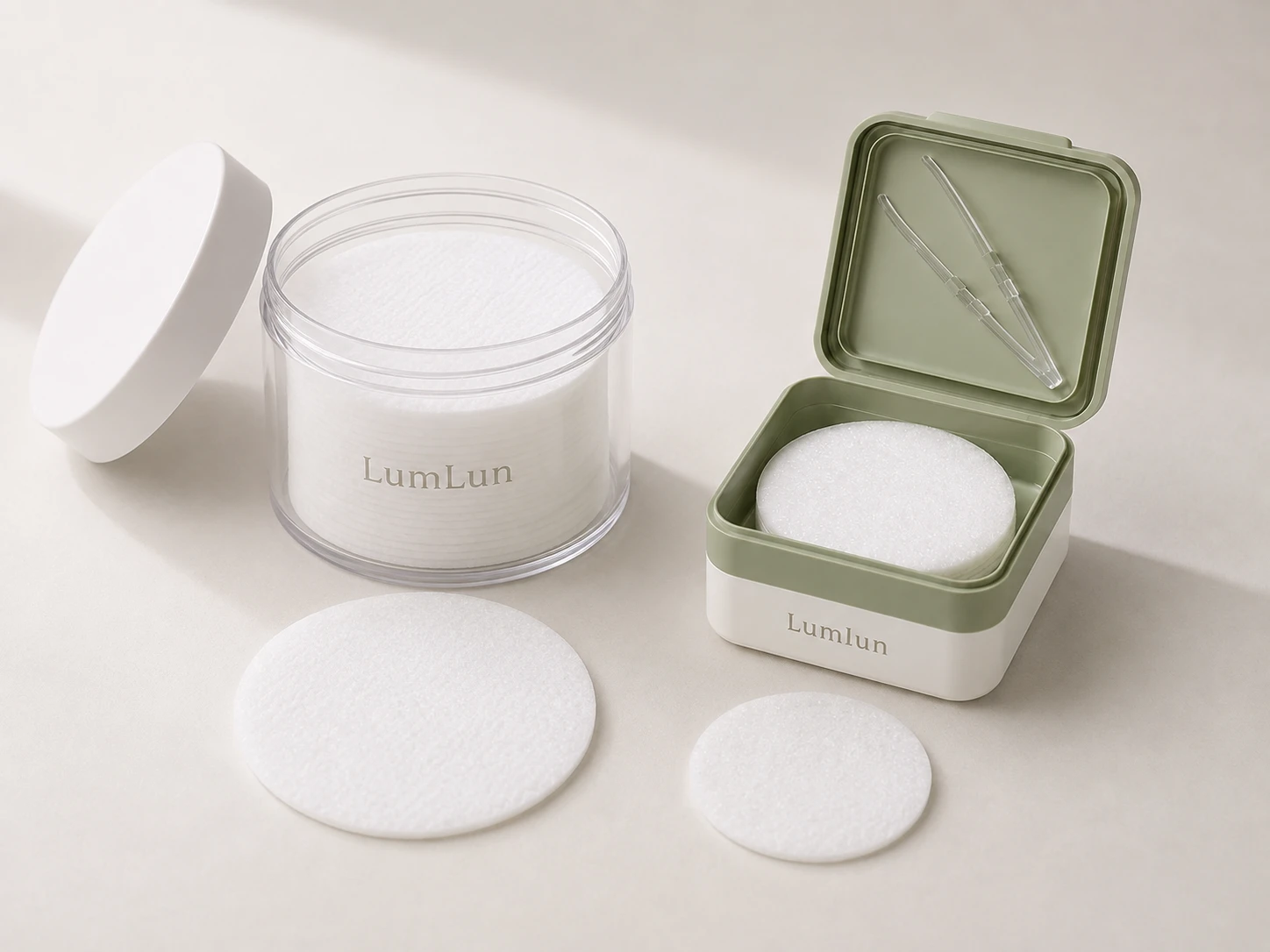
So when comparing round, square, oval or other toner pad jars, put the real pad at the center of the decision: Can the pad sit naturally inside the usable space? Does the opening make sense for the pad size? Does the complete stack fit the shape of the jar?
Those questions are more useful than comparing “which is bigger, 150ml or 200ml?” by itself.
Pad Thickness and Pad Count Build the Stack Height Together
Diameter tells you whether the jar is wide enough. Pad thickness and piece count have a much bigger influence on how much height the complete stack needs.
For example, two products may both contain 60 pads, but if one pad is thinner and the other is thicker, the final stack height will not be the same. If the piece count increases, the internal height needed will increase as well.
That is why it is not reliable to create a fixed rule such as 60 pads = one fixed capacity, 80 pads = another fixed capacity, 100 pads = another fixed capacity. This looks simple, but it ignores the actual size and thickness of the pads.
LumLun’s 150ml square toner pad jar also separates these factors in the product information: real pad diameter, pad thickness and planned piece count need to be considered together. The 150ml nominal capacity itself does not represent a fixed number of pads.
Dry Pads Fitting Does Not Mean the Final Filled State Is the Same
A toner pad product is not finished when a stack of dry pads is placed into an empty jar. The final product also contains essence.
After saturation, the softness of the pads, the way the layers sit together and the actual condition of the complete stack inside the jar can differ from the dry state. Packaging space is therefore better judged around the finished product condition rather than only from a dry stack.
Toner pad packaging and production references commonly consider pad diameter, pad thickness, pad count, essence volume and internal jar capacity as parts of the same packaging system.
This does not mean the largest jar is always the right choice. A larger jar simply provides more space. What matters is creating a sensible combination of pad size, pad quantity, essence volume and usable internal space.
Do Not Look Only at Outside Dimensions; Look at the Space the Pads Can Actually Use
This is one of the easiest points to miss when choosing a toner pad jar.
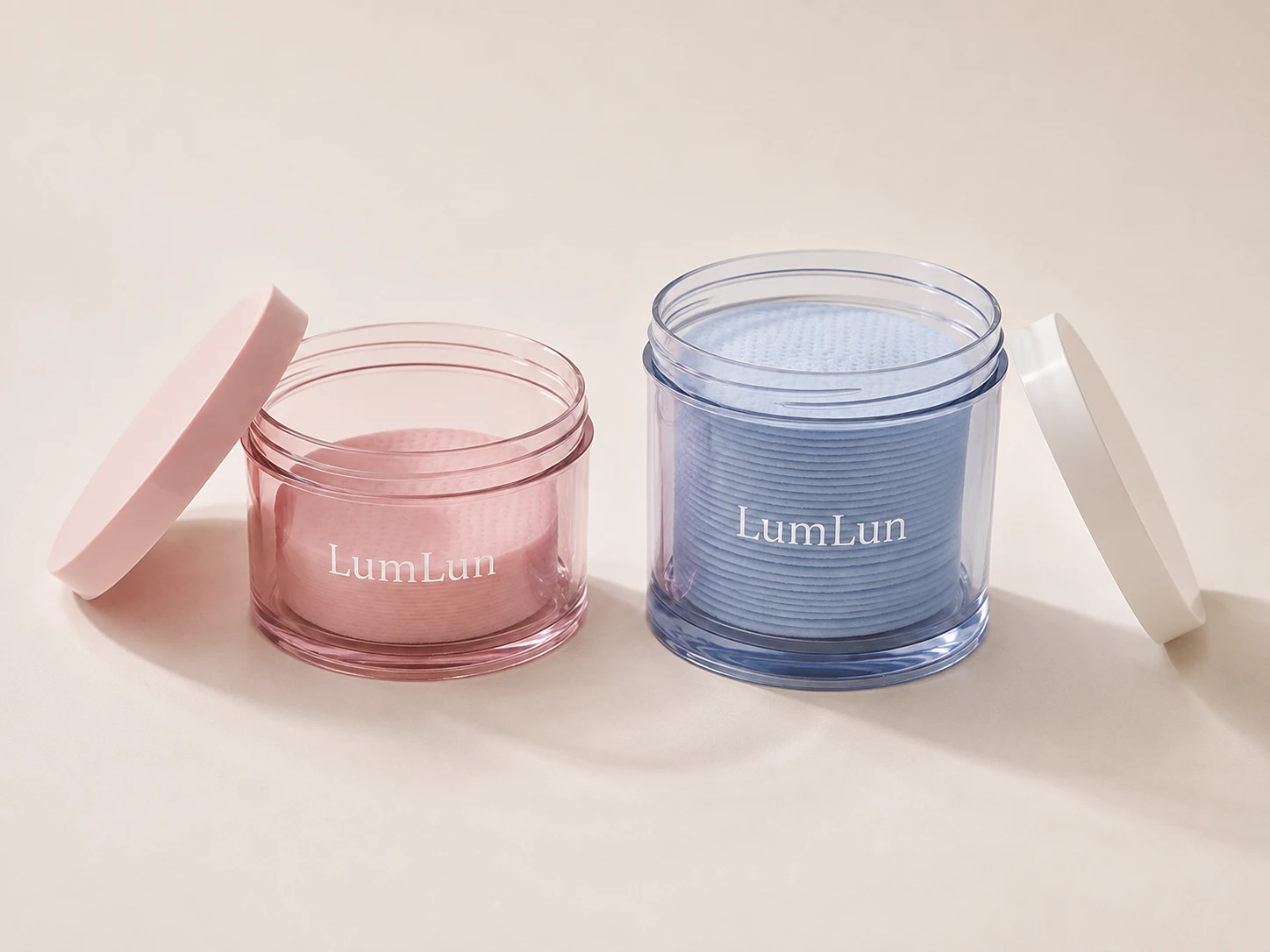
Two jars can look similar in height and may even carry the same nominal capacity, while the space actually available for the pads is not the same.
Different packaging structures can include different wall thicknesses, lid structures, internal components, tweezer storage positions, replaceable inner cups, and different bottom or opening structures.
All of these details can change the usable space inside the package.
So “150ml” is better used as an initial screening range, not as the final answer. The next step is to look at the internal structure of the specific jar and the actual space occupied by the pad stack.
Jar Opening Size Should Be Considered With the Pads
Being able to fit the pads inside the jar is the first step. The jar opening also matters.
For a wider pad, if the internal space is sufficient but the top opening is noticeably narrower, the way the pads are accessed from the package changes.
A wider opening can create a different relationship between the pad, tweezer position and the space at the top of the pack.
So when comparing toner pad jars, usable internal space and opening size are best considered together rather than judged separately.
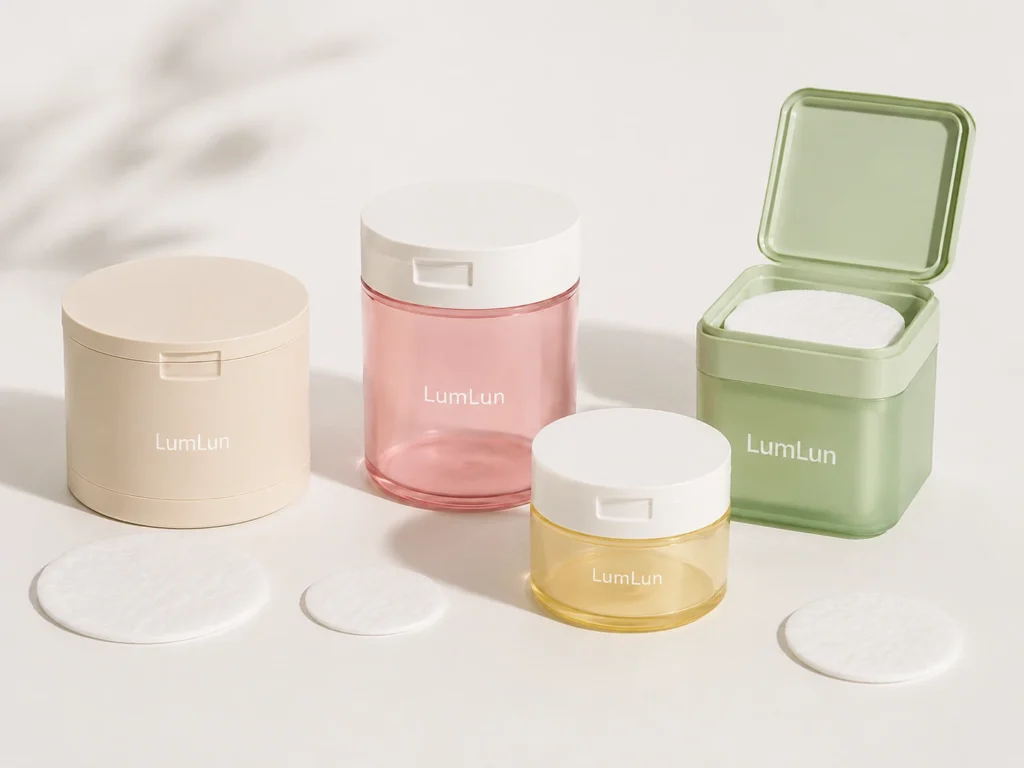
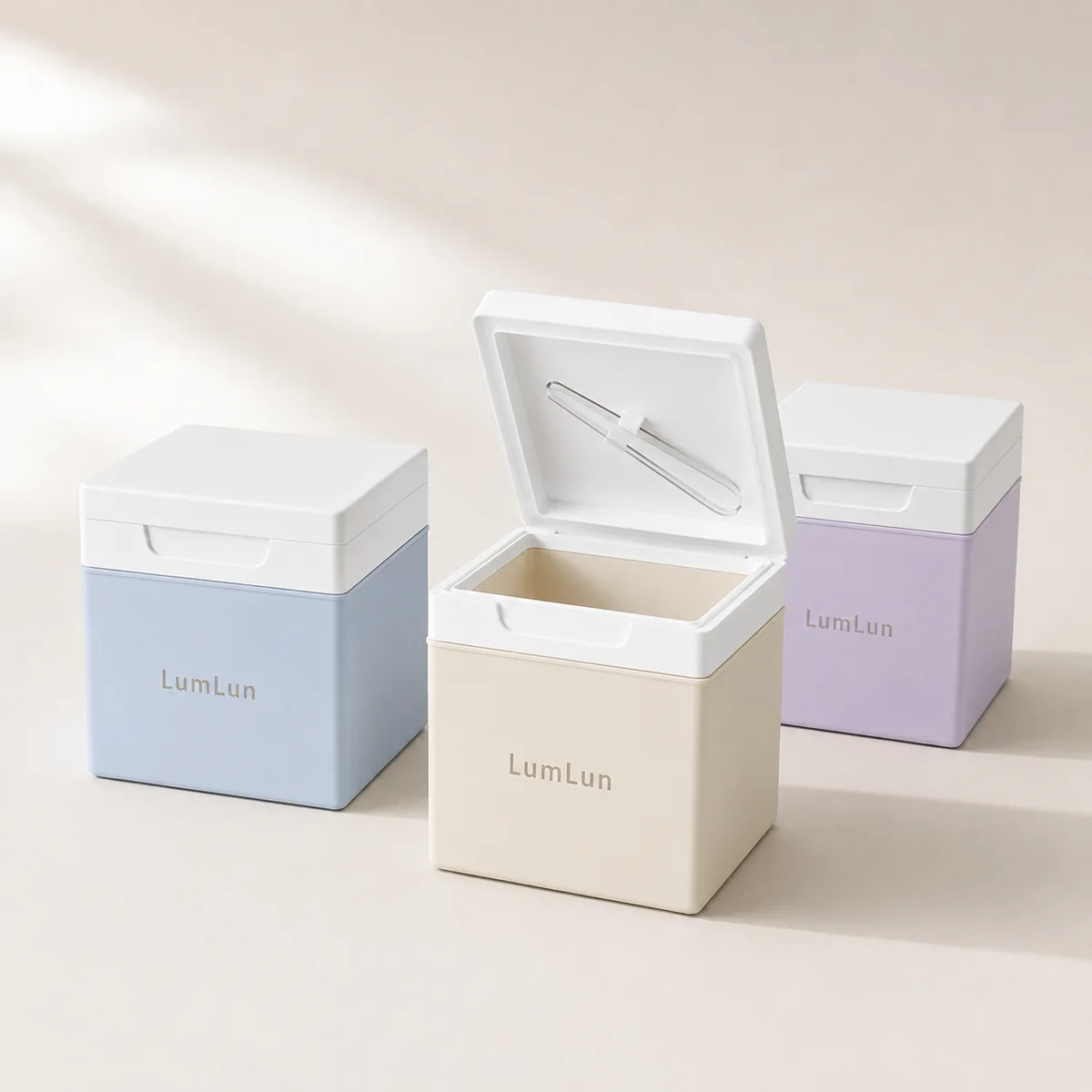
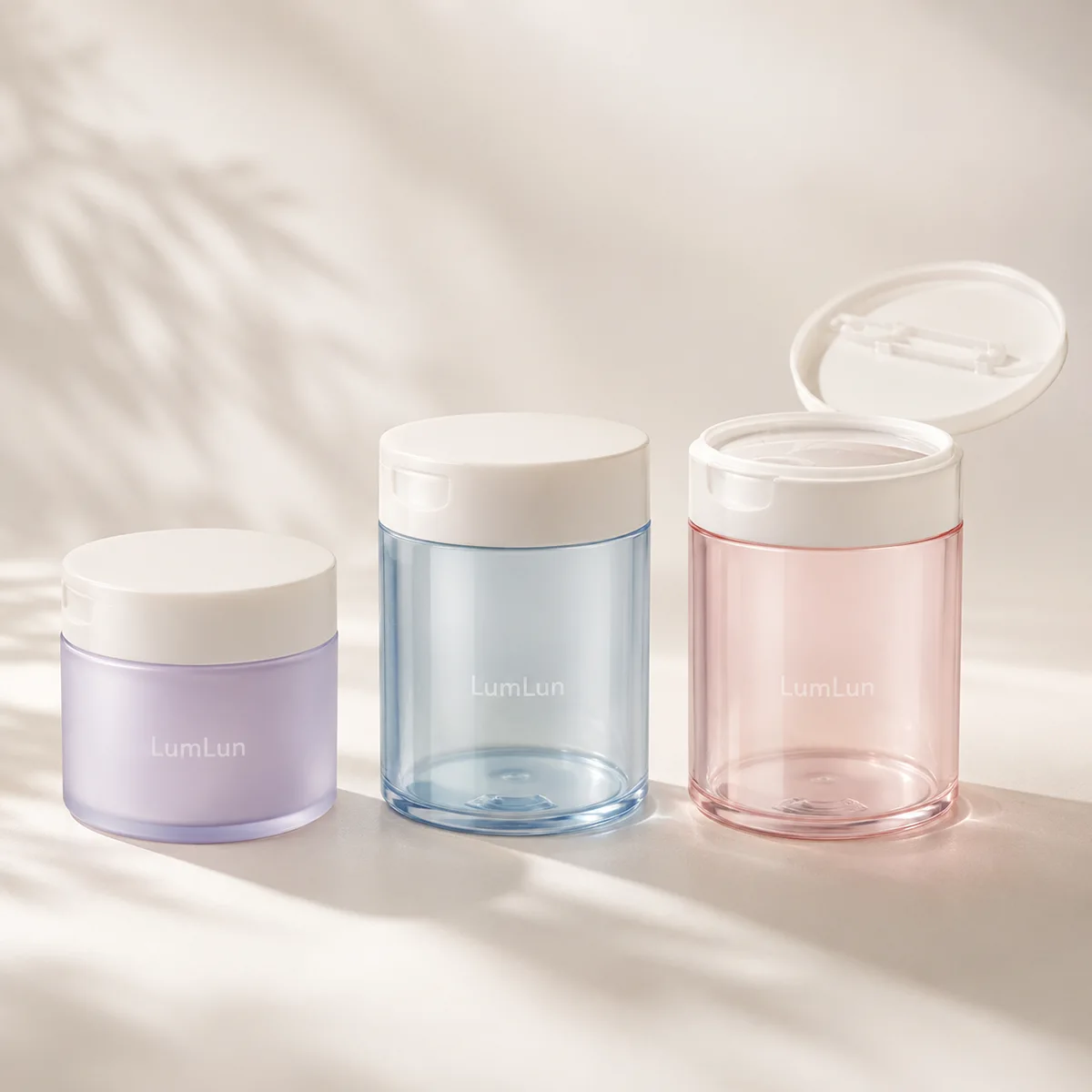
This is also why LumLun’s current toner pad jar range does not use one single structure. The range includes different capacities and shapes, flip-top designs, bottom push-up structures, tweezer layouts and replaceable inner-cup designs.
Why Two 150ml Toner Pad Projects May Need Different Solutions
Imagine two projects.
The first uses smaller, thinner pads and does not need a high piece count. The second uses wider, thicker pads and plans to pack more pieces.
Even if both brands start by saying “we want a 150ml toner pad jar,” their priorities can be different once they compare the actual packaging options.
The first project may already achieve a well-proportioned pad stack in a relatively compact internal space. The second may need to pay more attention to usable height, usable width and the space remaining at the top.
That is why the capacity number is useful for narrowing the range quickly, but it should not replace the pad data itself.
Understand the pad first, then choose the jar. This is usually clearer than deciding the jar capacity first and forcing the pad to fit it.
How to Understand Different Toner Pad Jar Capacities From 100ml to 400ml
LumLun’s current toner pad jar range includes 100ml, 150ml, 200ml, 250ml, 300ml and 400ml capacities, with PP, PET and PP + PET structures across different product designs.
These capacities should not be simplified into “100ml is a small pack and 400ml is a large pack.” A more useful way to understand them is as different starting points for packaging space.
- More compact 100ml or 150ml options can be used to compare tighter packaging layouts.
- 200ml, 250ml and 300ml ranges provide additional options for different stack heights, jar shapes and opening structures.
- Larger formats provide another option for internal space and overall pack proportion.
But the final choice is not made by the capacity number itself. The real pad remains the core reference for deciding how much packaging space is needed.
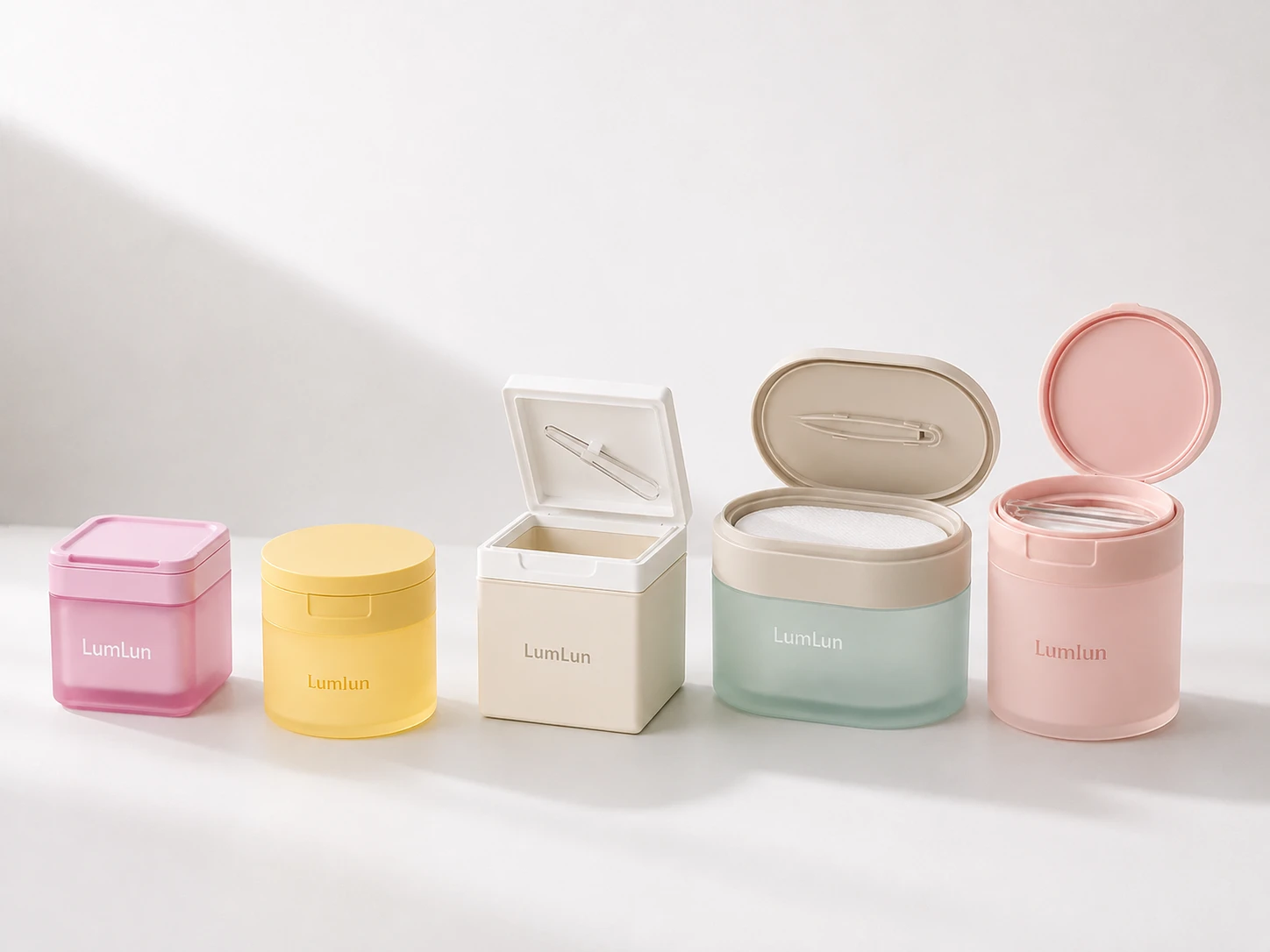
Compare three real LumLun toner pad jar options across different capacities, shapes and structures.
A Simpler Way to Choose
If you are developing a new toner pad product, you can make the first step very simple.
Start with three basic pieces of information: How large is the pad? How thick is each pad? How many pieces will one jar contain?
Then look at the actual condition of the complete stack after the pads are saturated with essence.
With those points clear, compare the closest toner pad jars by usable internal width, usable height, opening and internal components.
At that point, 100ml, 150ml, 200ml or a larger capacity stops being an isolated number and becomes a meaningful packaging option for the actual pad specification.
The Best Toner Pad Jar Is Not the Largest One; It Is the One That Matches the Pads
The goal when choosing a toner pad jar is not to find the biggest capacity and it is not to find one universal “standard size.”
What matters more is creating a sensible match between the package and the product itself: pad diameter determines how much horizontal space is needed; pad thickness and quantity affect the stack height; essence changes the final wet condition; and the usable internal space and opening determine how that stack actually fits into the package.
Once these conditions are considered together, comparing different shapes, materials, lid structures and visual designs becomes much clearer.
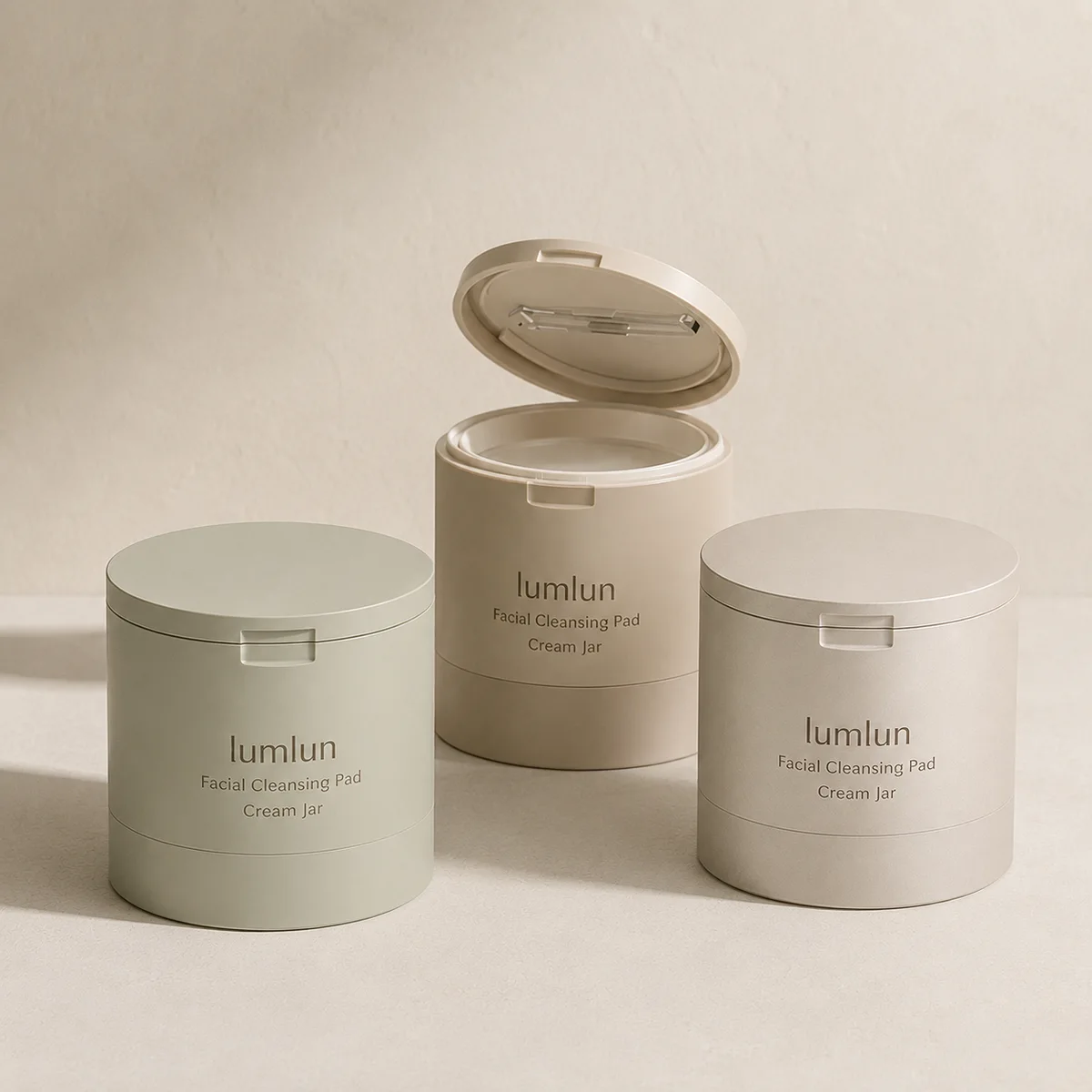
If your pad diameter, thickness and planned piece count are already defined, you can browse the LumLun Toner Pad Jars collection and narrow the closest structure from the current 100ml–400ml range.