How to Choose Essential Oil Dropper Bottle Packaging?
How To Guides

Essential Oil Dropper Bottle Packaging for Cleaner Use and Stronger Brand Trust

A practical B2B guide to choosing glass, PETG, or PET dropper bottle packaging for essential oils, facial oils, and oil serums.

Published Jan 28, 2026 Updated Jul 22, 2026 17 min read
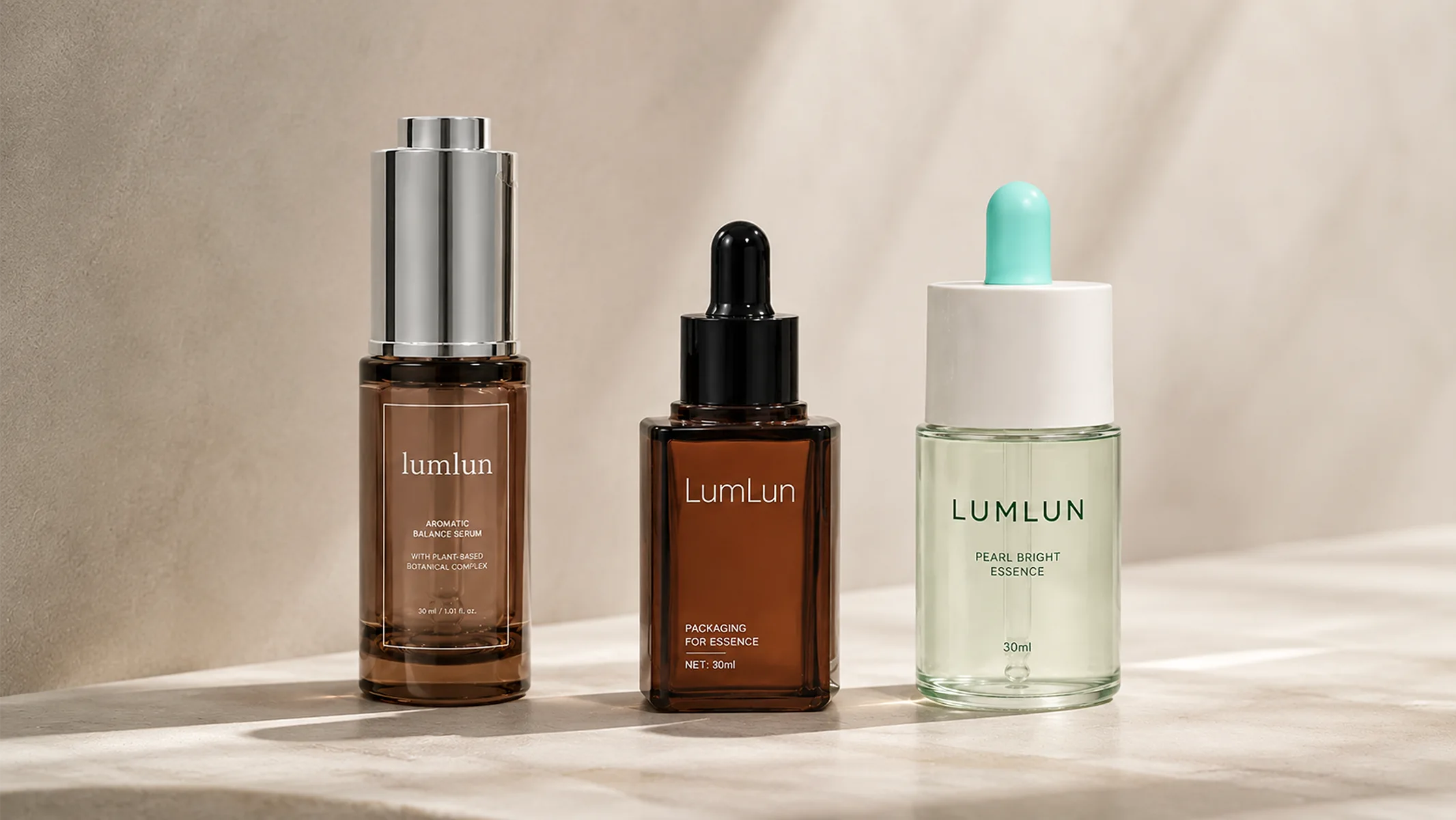
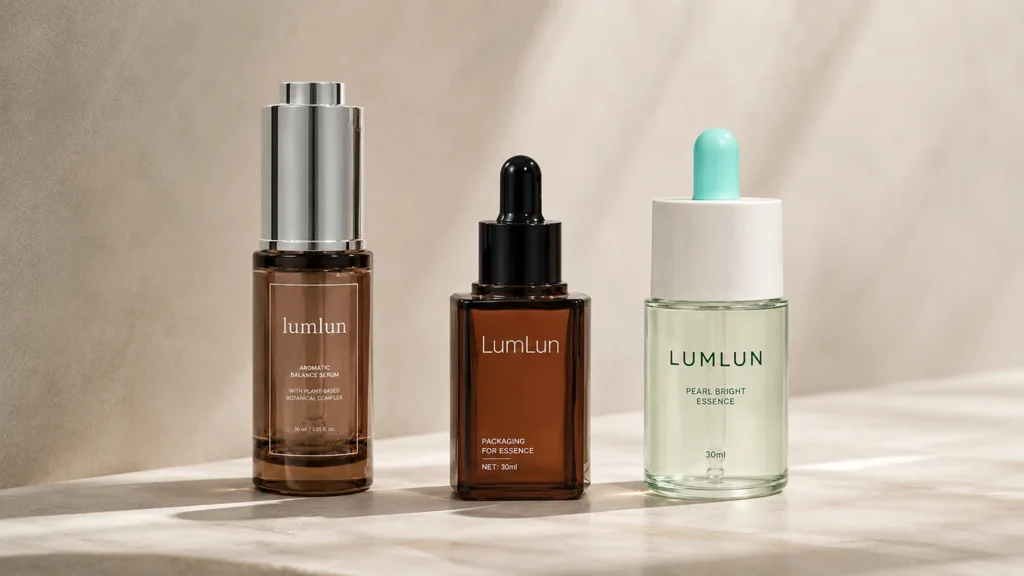
LumLun amber pump bottle, square dropper bottle, and green dropper bottle for oil packaging options

Last Updated: July 2026

Before customers try an essential oil, facial oil, or oil serum, they have already judged the product from its packaging. They notice the bottle material, clarity, wall thickness, cap, dropper bulb, pipette, label position, and how the product looks in a photo, on a retail shelf, inside a gift set, or during daily use.

For oil-based skincare and essential oil brands, this first impression matters. A formula may have a strong ingredient story, but customers often decide whether it feels clean, premium, trustworthy, and worth buying before they ever experience the formula.

That is why essential oil dropper bottle packaging should not be treated only as a container. The right dropper bottle system can affect clean use, leakage risk, formula waste, shipping confidence, premium perception, repeat purchase experience, online product appeal, retail pick-up, and brand trust.

This does not mean glass is always better than plastic, or PETG is always better than PET. Glass, PETG, and PET dropper bottles can all be suitable for essential oils, facial oils, and oil serums. The better question is not “which material is best?” The better question is: which dropper bottle direction fits your formula, channel, brand position, shipping needs, cost structure, and customer experience?

Key Takeaways

  • Essential oil dropper bottle packaging affects more than product storage. It can influence how clean, premium, trustworthy, and valuable the product feels before customers try the formula.
  • Glass, PETG, and PET can all be suitable. The right choice depends on formula direction, sales channel, brand positioning, shipping risk, cost structure, and the visual effect the brand wants to create.
  • Plastic dropper bottles do not have to look low-end. Higher gram weight, thicker walls, better clarity, and suitable decoration can help PETG or PET bottles create a more premium feel.
  • Inner plugs, gasket thickness, and dropper fit are not small details. They can help reduce bottle-neck mess, formula waste, and leakage risk when selected properly.
  • Better dropper bottle packaging can support stronger commercial results. Cleaner use, premium appearance, lower complaint risk, and better product presentation can help brands build trust, support price positioning, and improve repeat purchase potential.
LumLun amber pump bottle, square dropper bottle, and green dropper bottle for oil packaging options
Custom dropper bottle and oil packaging directions can support different essential oil, facial oil, and serum brand goals.

Why Essential Oil Dropper Bottle Packaging Affects Brand Trust and Sales

For oil-based products, packaging is often the first proof of whether the product feels clean, premium, and worth trusting. Customers may not know the full formula story at first glance, but they can immediately see whether the package looks stable, clean, refined, and suitable for the price point.

This is especially important for essential oils, facial oils, beauty oils, and oil serums. These products are often used in small amounts, displayed in product photos, handled during daily routines, and sometimes positioned as higher-value skincare or wellness products. The dropper bottle therefore needs to do more than hold the formula.

A suitable dropper bottle can help the product look more intentional. Material clarity, bottle weight, wall thickness, cap finish, bulb color, pipette structure, and label layout all shape the first impression. If the bottle looks thin, messy, easy to leak, or not aligned with the formula value, the customer may question the product before using it.

Better packaging does not guarantee sales, repeat purchase, or premium pricing. But in online product images, retail displays, gift sets, and buyer presentations, packaging can give the product more chances to be noticed, clicked, picked up, remembered, and trusted.

Business value: A cleaner, more premium, better-matched dropper bottle system can help an oil product reduce packaging friction and support stronger brand trust before the formula is even used.

What Should Oil Brands Check Before Choosing a Dropper Bottle?

The right dropper bottle choice starts with the product situation, not with a fixed material preference. A brand should first understand what problem the packaging needs to solve and what value the packaging needs to create.

Some brands want a heavier, more luxurious feeling in the hand. Some want to reduce breakage during e-commerce or cross-border shipping. Some need a cleaner daily-use experience because oil residue around the bottle neck can make the product look messy. Some want a transparent, glass-like look without the fragility of glass. Others need to control packaging cost while still keeping the product professional.

Before choosing a dropper bottle, oil brands should check the formula direction, target channel, brand positioning, shipping method, cost structure, expected product price, and daily-use experience. These decisions affect whether glass, PETG, PET, a higher-weight plastic bottle, a specific inner plug, a gasket direction, or a certain dropper bulb material may be more suitable.

What the Brand Should Check Why It Matters Packaging Decision It Affects
Formula direction Oil, serum, essence, and active formulas may behave differently during filling and use Material, pipette, bulb, inner plug, and package matching
Sales channel E-commerce, retail, spa, and gift sets create different packaging risks and opportunities Glass feel, plastic durability, outer box protection, and visual design
Brand position Premium, natural, clinical, luxury, and minimalist brands need different visual signals Material, color, finish, cap, bulb, label layout, and secondary packaging
Shipping risk Breakage, leakage, and product damage can affect reviews, refunds, and customer trust Glass, PETG, PET, gasket direction, cap fit, and protective packaging
Daily-use experience Mess around the bottle neck and wasted formula can reduce the premium feeling Inner plug, pipette fit, neck finish, and dropper assembly

Glass, PETG, or PET: Which Material Fits Your Formula and Channel?

Glass, PETG, and PET should not be compared as “good” or “bad.” They should be matched to the formula, channel, brand position, and risk tolerance.

Glass dropper bottles are often selected when the brand wants a stronger premium feeling, heavier hand feel, clearer luxury signal, and higher formula confidence. Glass can feel more stable and refined, and many customers associate glass packaging with higher-value skincare or essential oil products. Industry sources such as FEVE describe glass as virtually inert and impermeable, which helps explain why many premium brands value glass packaging for sensitive or high-value products.

The main point brands need to consider is that glass is breakable, so e-commerce shipping, cross-border transport, and outer box protection must be planned carefully. A glass bottle can support a strong premium story, but it may also require stronger secondary packaging and more careful shipping decisions.

PETG dropper bottles can be suitable when a brand wants a glass-like transparent look with lower breakage pressure. PETG can create a clear, bright, premium visual effect, especially when combined with higher gram weight and thicker walls. This direction can be valuable for brands that want a premium look but also care about shipping safety and operational risk.

PET dropper bottles can be suitable for brands that need a more cost-conscious and transport-friendly direction while still keeping a clean, professional appearance. The PET Resin Association describes PET as a clear and lightweight plastic used for personal care and other consumer packaging, which is one reason PET remains a practical direction for many packaging projects.

For a deeper comparison between glass appearance and PETG durability, you can also read LumLun’s internal guide on PETG vs glass dropper bottle packaging.

The right material choice is not only about the bottle itself. It is about what the brand wants customers to feel, how the product will be shipped, what price point it needs to support, and how much operational risk the brand can accept.

Material Direction Value It Can Express What Brands Should Consider
Glass Premium feel, weight, clarity, stability, and stronger formula confidence Breakage risk, shipping protection, freight weight, and outer packaging
PETG Glass-like clarity, lower breakage pressure, and strong visual appeal Wall thickness, gram weight, formula direction, and target price position
PET Cost and shipping friendliness with a clean custom packaging direction Formula suitability, brand positioning, and whether the desired premium feel can be achieved
High-weight plastic bottle Thicker wall, better hand feel, and more premium visual weight Cost, bottle weight, material choice, and the customer’s expected price point
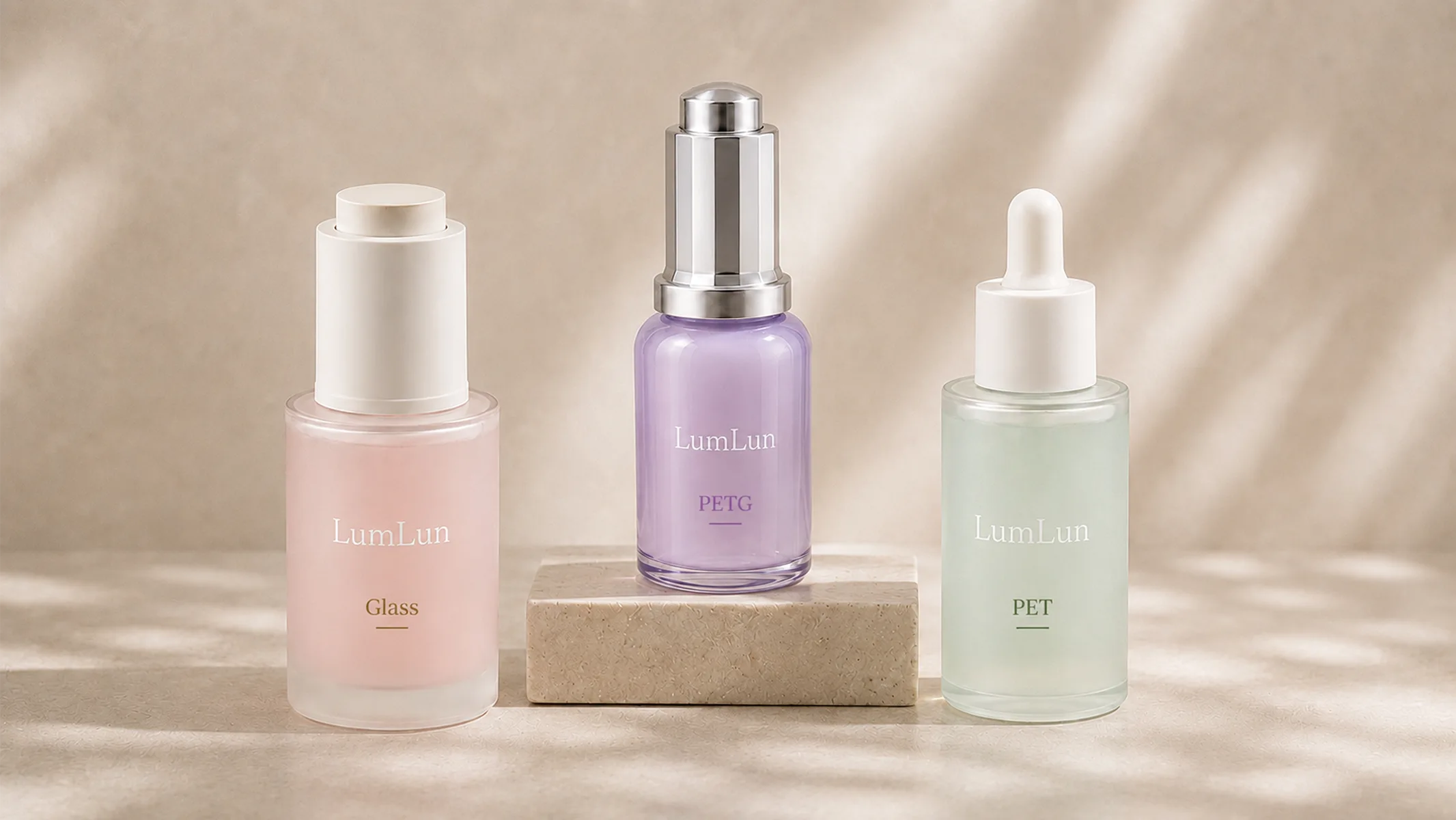
LumLun Glass PETG and PET dropper bottles showing material options for skincare oil packaging
Glass, PETG, and PET dropper bottle directions should be selected according to formula, channel, shipping risk, and brand positioning.

How Bottle Weight, Wall Thickness, and Clarity Shape Premium Feel

Plastic dropper bottles do not automatically look low-end. The premium feeling depends strongly on gram weight, wall thickness, clarity, surface finish, and overall design.

This point matters because many brands worry that plastic packaging may reduce perceived value. That concern is understandable if the bottle is thin, light, cloudy, or poorly decorated. But PETG and PET bottles can be produced with different wall thicknesses and weights. A higher-weight bottle usually feels thicker and more substantial, which can help the package feel closer to a high-end direction.

For online product photos, clarity and shape matter. A thick-wall transparent PETG bottle can create a glass-like look that photographs cleanly. For retail and hand feel, bottle weight and surface finish matter. A bottle that feels too thin may weaken the price story, while a heavier, clearer, better-finished bottle can help support a more premium impression.

For example, a square PETG thick-wall dropper bottle can help a brand create stronger shelf distinction than a common round bottle while still keeping a clear, modern, glass-like appearance.

This is why the question should not be “plastic or glass?” The better question is: what level of material feel, clarity, thickness, decoration, and channel performance does this product need?

How Inner Plugs Help Keep Oil Dropper Bottles Cleaner

For essential oils, facial oils, and oil serums, inner plugs can play an important role in cleaner daily use. Without a suitable inner plug, more formula may remain on the outside of the pipette after the dropper is lifted from the bottle. This can make the bottle neck messy, waste formula, and make the product feel less premium during repeated use.

Oil residue around the bottle mouth is not only a small visual issue. It can affect how customers feel about the whole product. If the bottle neck becomes oily, sticky, or dirty-looking, customers may feel that the product is less clean or less professional, even if the formula itself is good.

LumLun can provide suitable inner plug directions to help wipe excess formula from the outside of the dropper. This can support cleaner use, reduce visible bottle-neck mess, and help limit unnecessary formula waste.

The customer value is clear: a cleaner bottle neck can make the product feel better in daily use, easier to trust, and more suitable for repeat purchase. This is especially important for premium oils, where a small amount of formula may carry high perceived value.

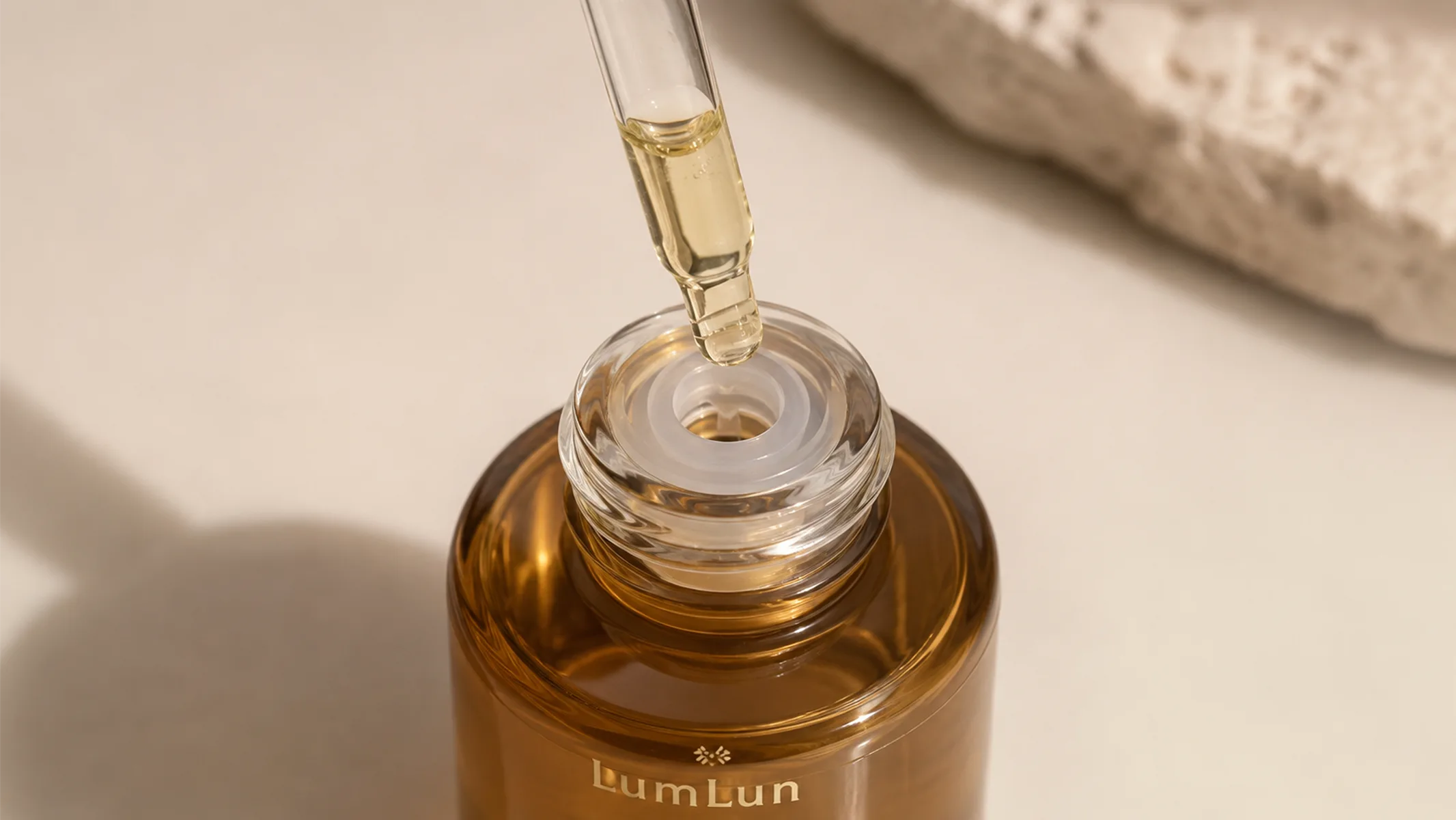
LumLun amber dropper bottle with inner plug detail for cleaner oil serum use
A suitable inner plug can help wipe excess oil from the dropper and keep the bottle neck cleaner during daily use.

How Gaskets and Dropper Fit Help Reduce Leakage Risk

Leakage risk is not decided by the bottle alone. The neck finish, cap matching, gasket thickness, dropper assembly, filling level, formula behavior, storage position, and shipping conditions can all affect the final result.

For oil-based products, leakage can create more than product loss. It can damage the label, outer box, shipping carton, unboxing experience, and customer trust. If a customer receives an oily bottle or stained package, the product may feel unprofessional before it is even used.

A suitable gasket thickness and well-matched dropper assembly can help reduce leakage risk, but no responsible packaging supplier should promise that one gasket can guarantee zero leakage for every formula and shipping condition. The correct approach is to match the bottle, cap, gasket, dropper, filling level, and formula direction responsibly.

For brands, this is not only a technical issue. Lower leakage risk can help protect reviews, reduce complaints, support cleaner delivery, and make the brand look more reliable.

Why Dropper Bulb Material Should Match the Formula

The dropper bulb is part of the formula-contact and user-experience system, so the material direction should be considered carefully. During repeated use, formula may move through the pipette and, in some cases, return toward the bulb area. If the bulb material does not fit the formula direction, it may affect long-term use experience.

Besides silicone bulbs, LumLun can also support NBR and TPE bulb options. These material directions can help brands choose a more suitable dropper assembly based on formula characteristics, packaging requirements, and brand positioning.

This should be written carefully. It is not responsible to say one bulb material is always suitable for one formula type without real confirmation. The safer and more professional direction is to narrow suitable options first and avoid treating every formula as if it behaves the same way.

For oil brands, bulb selection is about reducing mismatch risk and improving daily-use confidence before production. A better-matched bulb, pipette, cap, gasket, and bottle system can make the package feel more stable and professional.

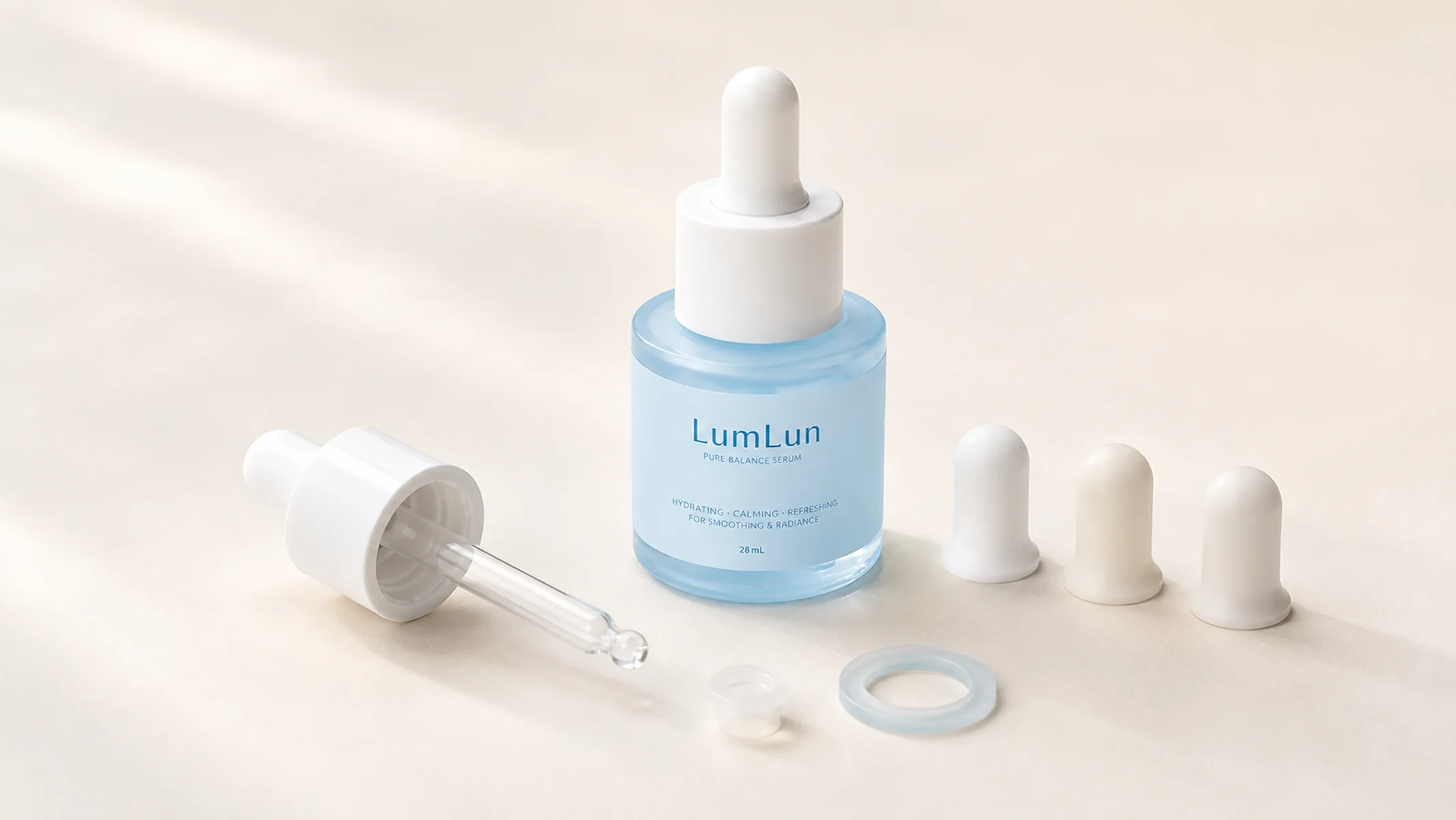
LumLun blue dropper bottle with pipette gasket inner plug and bulb material options
Gasket thickness, dropper fit, inner plug structure, and bulb material should be considered together for oil-based packaging projects.

How Better Dropper Packaging Improves Repeat Purchase and Premium Value

Customers may forget many technical packaging details, but they remember whether the product looked clean, felt premium, dispensed easily, and stayed pleasant to use.

This is where dropper bottle packaging becomes a sales-support tool, not only a container. A cleaner inner plug experience can reduce mess. A suitable gasket and dropper fit can help reduce leakage risk. A higher-weight PETG or PET bottle can create stronger visual weight. A glass bottle can communicate luxury and formula confidence. A refined cap and bulb color can make the product look more intentional.

These details can support business results that matter to skincare and essential oil brands: stronger first impression, higher perceived value, more confidence in the price point, better daily-use memory, fewer packaging-related complaints, and stronger repeat purchase potential.

The goal is not to make the bottle different for the sake of being different. The goal is to make the oil product easier to notice, easier to trust, cleaner to use, and easier to choose again.

Packaging Detail Customer Experience Improved Business Value for the Brand
Glass bottle Heavier, more refined, more stable-feeling package Supports premium positioning and higher perceived value
High-weight PETG or PET Glass-like clarity with a more durable shipping direction Helps balance premium look, cost, and shipping risk
Inner plug Cleaner bottle neck and less visible oil residue Improves daily-use impression and reduces formula waste perception
Gasket and dropper fit Lower leakage risk when matched properly Protects unboxing, reviews, and customer trust
Bulb and cap customization More unified brand look and better formula-fit direction Supports differentiation, series design, and stronger shelf presence

How Custom Dropper Bottle Packaging Helps Brands Look Different

Differentiation does not only come from a new label color. It often comes from the full packaging system. Bottle shape, wall thickness, material clarity, cap finish, bulb color, label position, secondary box, and product-line consistency all affect whether an oil product feels like a generic stock item or a planned brand asset.

For online sales, packaging needs to look clear and valuable in product photos. A clean bottle silhouette, coordinated cap and bulb, and premium material effect can help the product earn more attention in a crowded visual environment. For retail, the bottle needs to feel good enough to be picked up and inspected. For gift sets, the dropper bottle should work with the outer box to make the product feel more complete and more giftable.

Custom packaging can also help brands build a stronger product line. A facial oil, essential oil blend, and oil serum can share a coordinated brand system while using different bottle colors, cap finishes, or material directions. This helps customers recognize the brand faster and makes the product family easier to present across a website, catalog, retail shelf, or buyer deck.

For brands comparing custom directions, LumLun’s custom dropper bottle collection can help buyers review different bottle formats, materials, and component directions before narrowing the final packaging style.

How to Balance Premium Look, Shipping Risk, and Cost Control

Many brands do not struggle because they lack packaging options. They struggle because each option solves one problem while creating another concern.

Glass can support a premium look and stronger hand feel, but it also creates breakage and shipping concerns. PETG and PET can reduce breakage pressure and support lower transport stress, but the brand may worry whether plastic can still look premium enough. Higher-weight plastic bottles can help bridge this gap by improving bottle thickness, clarity, and hand feel.

Cost should also be judged realistically. A lower unit cost is not the only cost that matters. Brands should also consider shipping damage, outer packaging needs, customer complaints, replacement risk, product positioning, and whether the package supports the product’s intended price point.

A good dropper bottle decision balances appearance, durability, cost, formula direction, and channel reality. For some premium retail-led products, glass may be the right direction. For some e-commerce or cross-border oil products, PETG or PET may create a better balance. For brands that want a premium plastic look, higher gram weight and better decoration may be worth considering.

Which LumLun Custom Dropper Bottle Direction Fits Your Oil Product?

LumLun can support custom dropper bottle directions for skincare and oil-based brands in glass, PETG, and PET, with options around bottle appearance, cap, bulb, pipette, color, and decoration.

For brands that want a more traditional premium signal, glass dropper bottles can support facial oils, concentrated serums, and essential oil products that need a refined presentation. For brands that want glass-like clarity with lower breakage pressure, PETG dropper bottles may be a useful direction. For brands that need cost and shipping friendliness, PET dropper bottles may be considered when the formula and brand position fit.

LumLun can also help brands consider inner plugs for cleaner use, suitable gasket thickness for leakage-risk reduction, and bulb material directions such as silicone, NBR, or TPE according to formula and packaging requirements.

The goal is not to push every brand toward one material. The goal is to help the brand choose a direction that fits the formula, channel, price point, customer experience, and brand story. A practical inquiry can start from a product direction, preferred bottle look, target capacity, or reference packaging style.

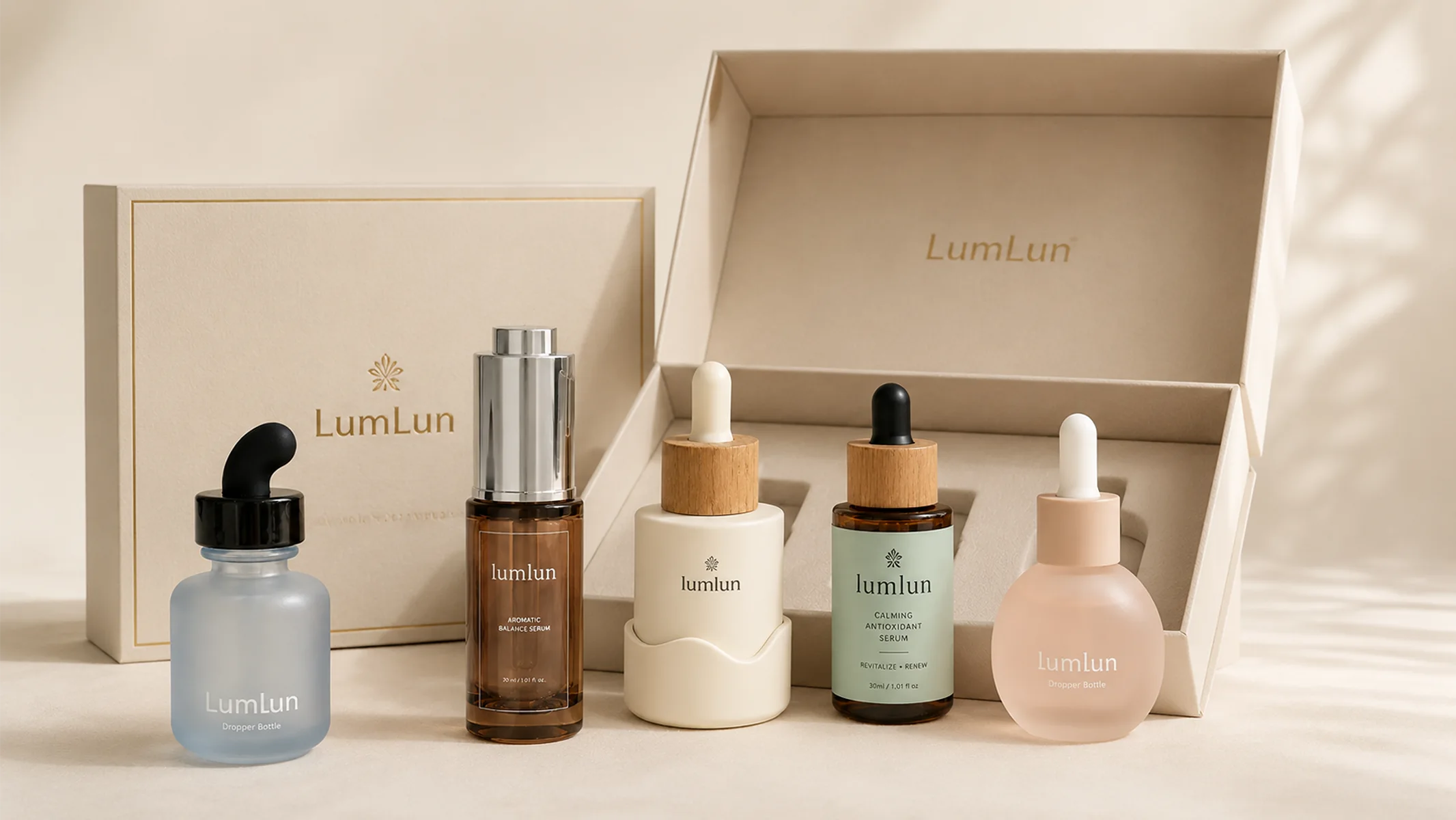
LumLun premium dropper bottle gift set with rigid paper box for oil serum packaging
Custom dropper bottle packaging can support online product images, retail shelves, gift sets, and premium oil brand positioning.

Ready to Build a Cleaner, More Premium Dropper Bottle Line?

The right essential oil dropper bottle packaging should help your product look right, feel right, and communicate value clearly before customers try the formula.

Glass may be suitable when premium hand feel and formula confidence are central. PETG may be suitable when the brand wants a glass-like look with lower breakage pressure. PET may be suitable when the brand needs a more cost-conscious and shipping-friendly direction. Inner plugs, gaskets, bulbs, pipettes, colors, finishes, and outer boxes can then help refine the final customer experience.

If your brand is planning an essential oil, facial oil, or oil serum packaging project, LumLun can help narrow the direction based on the material look, bottle structure, component choice, and brand positioning you want to achieve.

Need a custom dropper bottle direction for your oil product? Share your bottle style, material preference, target capacity, or reference image. LumLun can help suggest a suitable glass, PETG, or PET dropper bottle packaging direction for your brand.

Contact LumLunWhatsApp

Frequently Asked Questions

How do I choose essential oil dropper bottle packaging?

Start with your formula direction, channel, brand position, shipping needs, and desired customer experience. Then compare glass, PETG, and PET material directions, and consider details such as inner plug, gasket thickness, bulb material, pipette fit, color, and decoration.

Is glass or plastic better for essential oil dropper bottles?

Neither is always better. Glass can support premium feel, weight, and stronger formula confidence, while PETG and PET can reduce breakage pressure and support more shipping-friendly packaging directions. The right choice depends on formula, channel, price point, and brand positioning.

Can PETG or PET dropper bottles look premium?

Yes, PETG and PET dropper bottles can look premium when the bottle weight, wall thickness, clarity, finish, and design are handled properly. A higher-weight plastic bottle can feel thicker and more substantial, helping the package move closer to a high-end visual direction.

Why does an inner plug matter in an oil dropper bottle?

An inner plug can help wipe excess formula from the outside of the dropper. This can reduce bottle-neck mess, limit visible oil residue, reduce formula waste, and create a cleaner daily-use experience for essential oils, facial oils, and oil serums.

What packaging details can reduce leakage complaints?

Leakage risk is affected by more than the bottle body. Neck finish, cap matching, gasket thickness, dropper assembly, filling level, formula behavior, and shipping conditions all matter. A well-matched gasket and dropper system can help reduce leakage risk, but should not be described as a universal guarantee.

What dropper bulb material should I choose for oil formulas?

The bulb material should be selected according to formula direction and packaging requirements. Besides silicone bulbs, LumLun can also support NBR and TPE bulb options, helping brands choose a more suitable direction for different oil packaging needs.

How can dropper bottle packaging help an oil brand get more repeat purchases?

Better packaging can improve the customer’s daily-use memory. A cleaner bottle neck, lower leakage risk, premium hand feel, and stronger visual presentation can make the product feel more trustworthy and more pleasant to use, which can support repeat purchase potential.

What custom details make a dropper bottle look more differentiated?

Material, wall thickness, bottle shape, cap finish, bulb color, label layout, and gift box design can all create differentiation. A strong custom direction helps the product look less generic, perform better in photos, and feel more aligned with the brand’s target price point.

Which dropper bottle direction is better for e-commerce and retail?

E-commerce brands often care more about breakage pressure, leakage risk, and product-photo impact, while retail brands may care more about hand feel, shelf presence, and premium pick-up value. Glass, PETG, and PET can each work when matched to the product’s channel and positioning.

Technical Review Note

This guide is reviewed against LumLun’s current packaging project experience. Model suitability, material documentation, dispensing performance, and formula compatibility remain specific to the selected packaging and project.

Relevant Packaging Direction

Compare Dropper Bottle Options

Review actual models first, then confirm capacity, material, dispensing components, decoration, order quantity, and formula compatibility for the selected packaging.

View Dropper Bottle
Packaging Project Support

Make Your Packaging Feel Unmistakably Yours

Bring your packaging vision to life through the right structure, color, finish, and branding details—creating a look that feels true to your brand and gives customers more reason to notice, remember, and choose it.

Distinctive packaging. Stronger brand recognition. More memorable product experiences.
Chat on WhatsApp