Start With Product Type, Then Confirm How the Product Dispenses
Start with the intended dispensing action: drop, pump, squeeze, spray, scoop or direct contact. That single question often removes several unsuitable formats before material, color or decoration even need to be discussed.
| Product direction | First formats to compare | Main question |
|---|---|---|
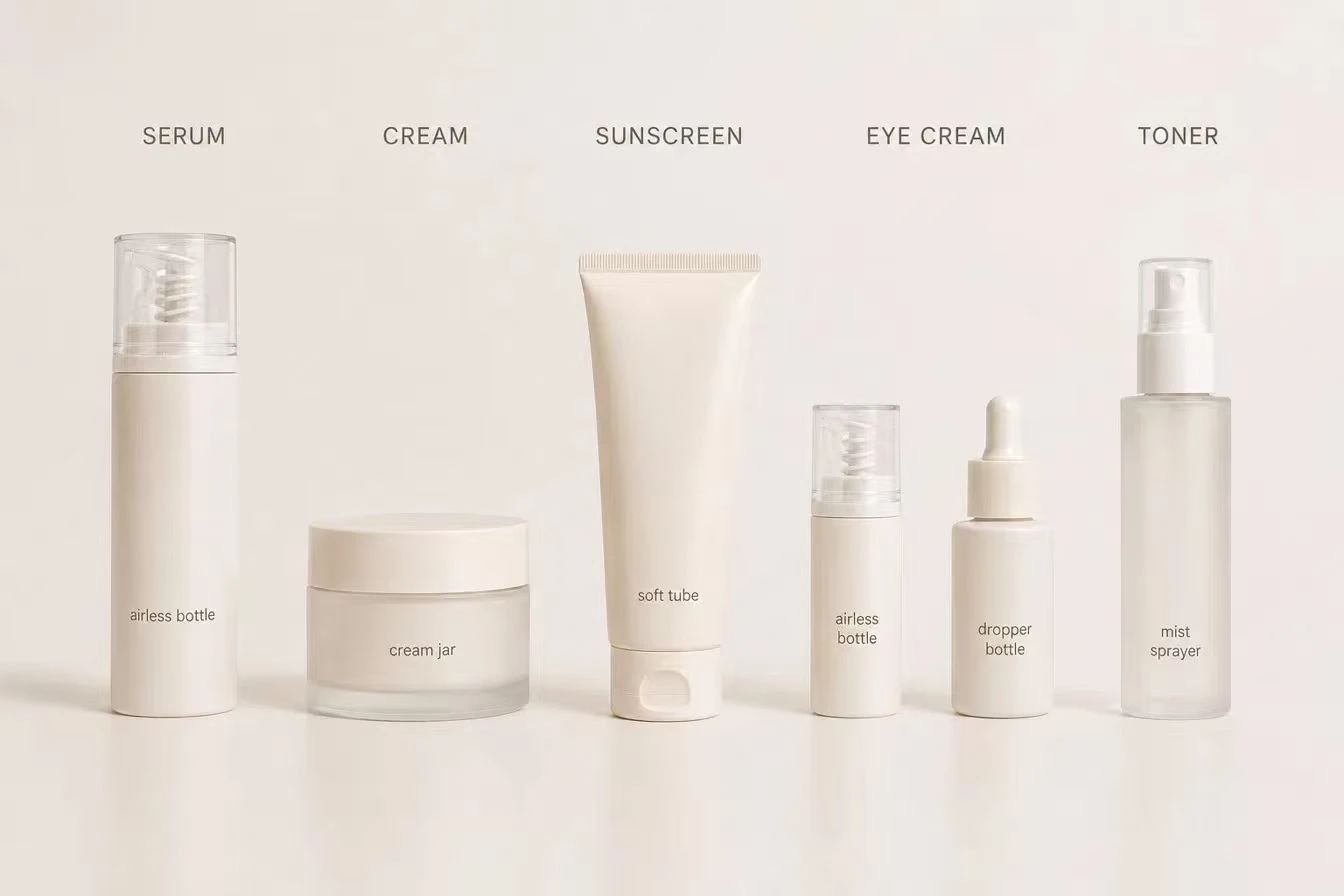
| Serum / essence | Dropper Bottle · Airless Bottle · treatment pump | Should the product be dropped or pumped, and what amount is needed each time? |
| Cream / moisturizer | Cream Jar · airless jar · Lotion Pump Bottle · Cosmetic Tube | Should the product be scooped, pumped or squeezed? |
| Sunscreen / SPF | Cosmetic Tube · pump bottle · airless bottle | Is the product a fluid, cream or another format, and how much is applied at one time? |
| Eye / lip / targeted care | Small airless · Dropper Bottle · precision Cosmetic Tube | How small is the application area and how precisely should product be dispensed? |
| Toner / facial mist | Fine Mist Spray Bottle · standard bottle | Should the product be sprayed directly or applied by hand / cotton pad? |
| Cleanser / body care | Lotion Pump Bottle · Cosmetic Tube · other confirmed bottle | What dispensing action and capacity suit repeated use on a larger area? |
The product name is only the starting point. Two products can both be called “serum” and still need different packaging. One may be a low-viscosity facial serum used by drops; another may be a milky treatment used by pump; a third may be a targeted eye serum better suited to a precision tip. The product name narrows the field, but the dispensing action finishes the first decision.
The same applies to creams and sunscreen. “Cream” can mean a rich mask, a pumpable moisturizer or a hand cream. “Sunscreen” can mean a facial fluid, a cream tube or a larger body product. This is why the format map starts with product type but never ends there.
Capacity changes the shortlist. Yes. Capacity can change which real models remain available and practical. A 10–15ml targeted treatment has different space, pump and applicator needs from a 100ml facial lotion or a 300–500ml body product. The same dispensing idea may exist in several sizes, but not every model is offered across every capacity.
Use the planned fill volume to narrow the model family after the format is chosen. Avoid assuming that a bottle can simply be stretched, shortened or resized while keeping the same pump, neck and proportions.
Packaging for Serums and Essences
For serum, choose the dispensing action before choosing the bottle style. A dropper works when visible drop-by-drop dosing is part of the product use. A pump or airless bottle is a better first comparison when the product should be dispensed by pressing. A precision tube can make sense for a small treatment area.
If the main decision is specifically dropper versus airless, compare Dropper Bottle vs Airless Pump for Serum. For a Vitamin C project, Vitamin C Serum Packaging narrows that formula-specific question without expanding the product-type map into a full serum-only selection. For a retinol-specific project, Retinol Packaging: Airless, Dropper or Tube? compares serum, treatment and cream routes without turning retinol into one fixed container rule.
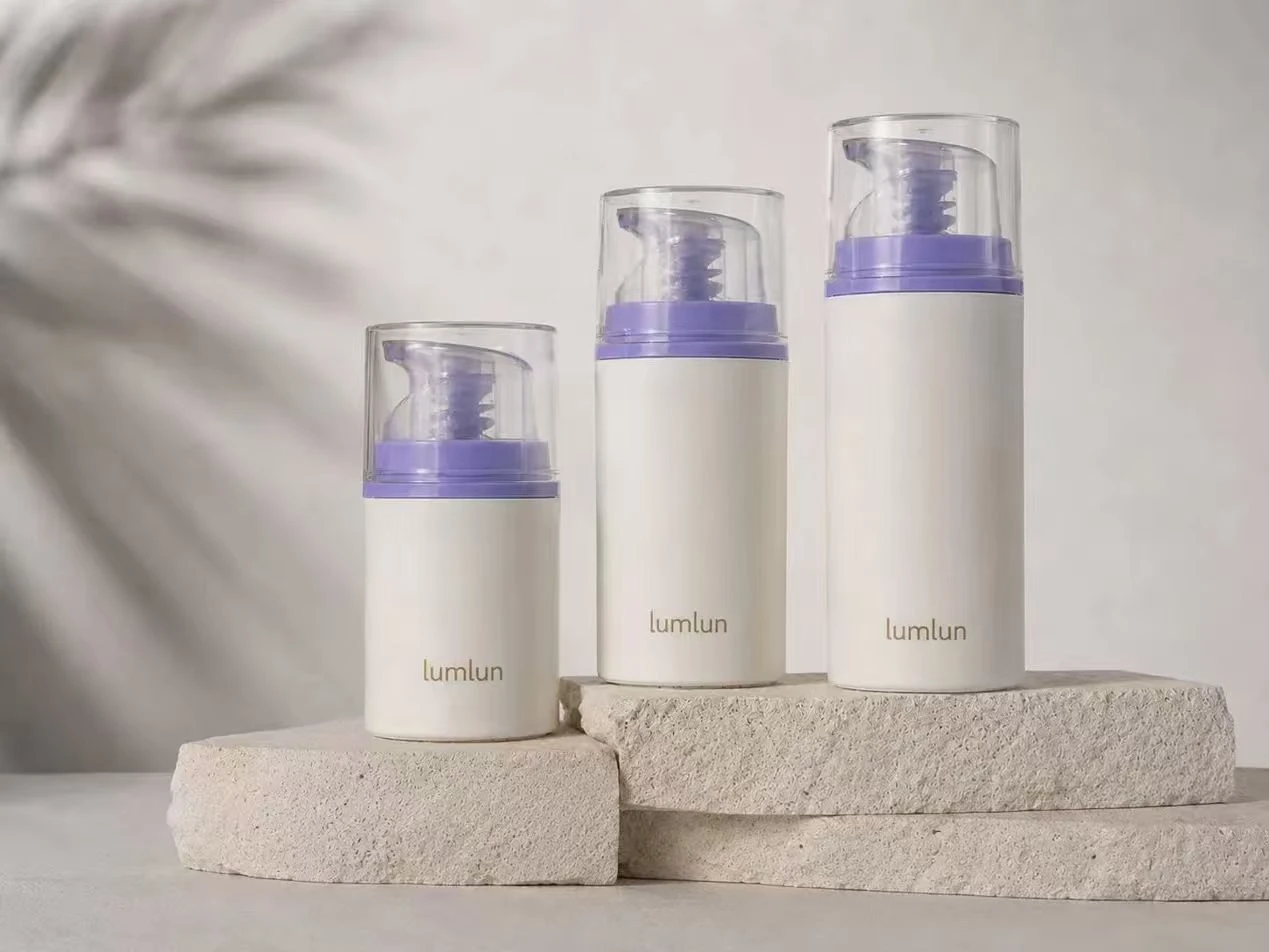
Dropper, pump or airless depends on the serum. No. Airless is one serum-packaging direction, not a default answer for every serum. If the intended action is visible drop dosing, a dropper may be a better fit. If the formula should be pumped, an airless or another treatment pump can be compared. If the product is applied to a very small area, a precision tube may be easier.
The useful question is not “Is this a serum?” but “How should this serum be dispensed, at what capacity, and which real model supports that action?”
Packaging for Creams, Moisturizers and Sunscreen
No. A jar makes sense when wide access and scooping are part of the intended use. Pump bottles, airless jars and tubes are also normal cream-packaging directions when the product should be dispensed without open access.
This is why texture alone should not decide the package. The access method, amount per use and real model range matter just as much.
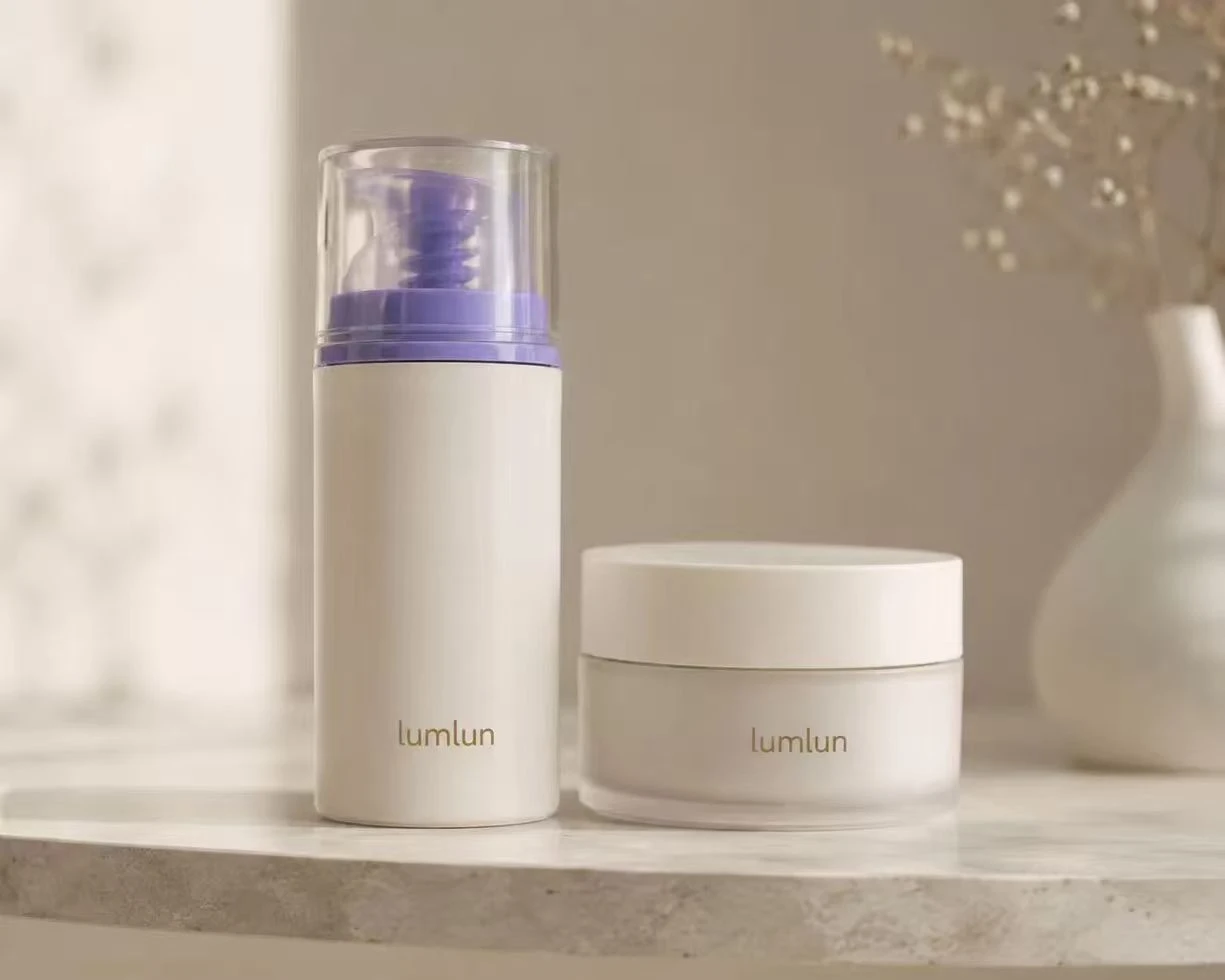
Creams can use more than one packaging family. A traditional jar gives direct access to the product. An airless jar keeps a jar-like proportion but changes the dispensing action. A lotion pump bottle suits more fluid creams and lotions, while a cosmetic tube is practical when squeeze dispensing is preferred.
The most useful first distinction is scoop vs pump vs squeeze. If the project is mainly choosing between jar structures, compare the Cream Jar models. For pump-led body lotion, the Lotion Pump Bottle selection covers the pump decision in more depth.
Sunscreen and SPF. Sunscreen packaging should follow the real product form and the amount used. A squeeze tube is a common first comparison for cream sunscreen and body SPF because it supports repeated dispensing across a larger use area. Fluid facial SPF can also use a suitable pump or airless format when the selected model works with the product.
If a tube is the likely direction, compare Cosmetic Tubes by Product Type. Keep the decision at packaging level: no package should be presented as improving SPF performance without product-specific evidence.
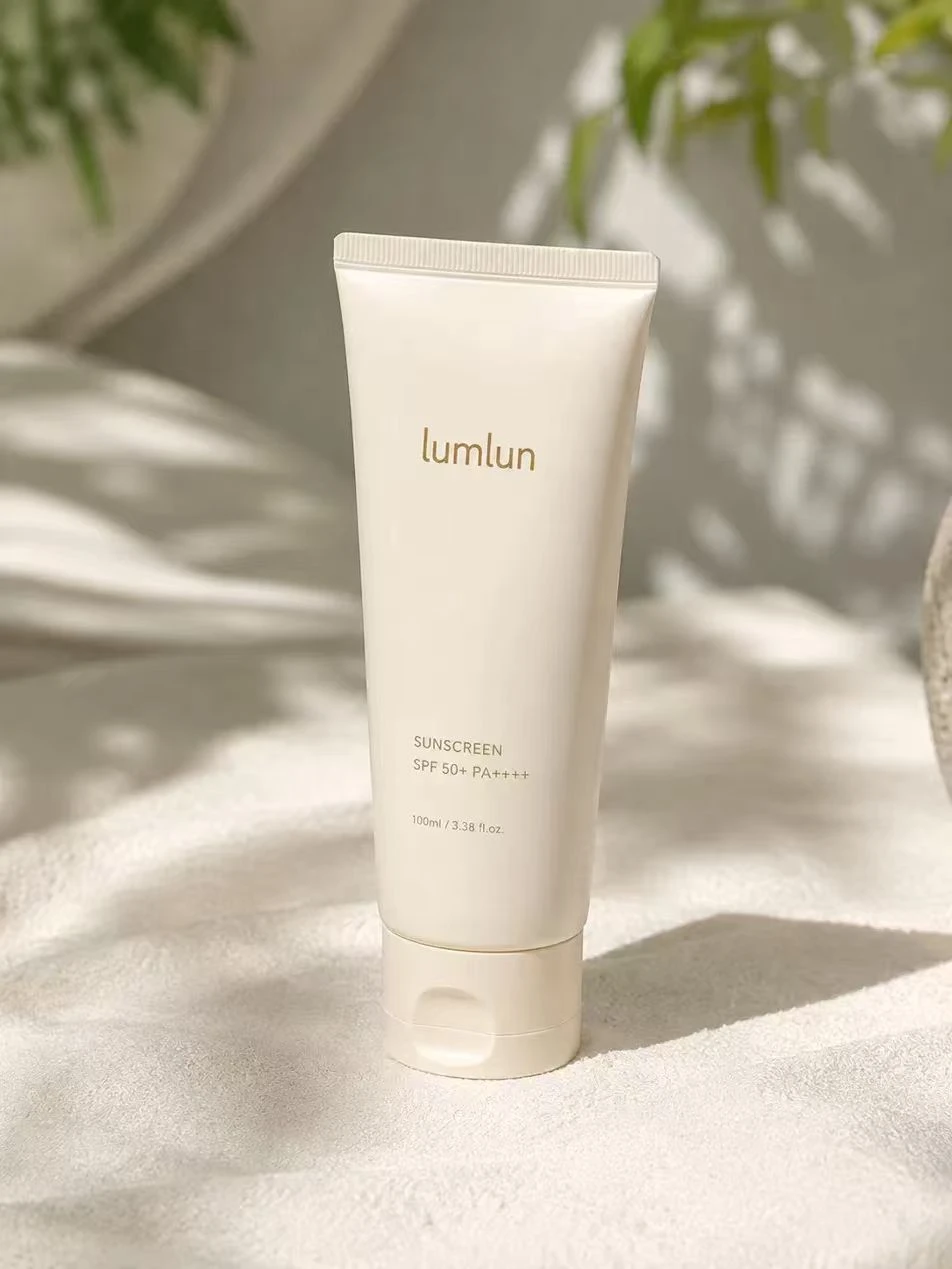
A cosmetic tube is one option, not a fixed rule. No. Tubes are common because squeeze dispensing works well for many cream and body SPF products, but a facial fluid may use a pump bottle and another product form may need a different package.
Choose from the real product form and intended amount per use instead of treating “sunscreen” as one packaging specification.
Packaging for Toner, Mist, Eye Care, Lip Care, Cleansers and Body Care
Small application areas usually make dispensing precision more important than large capacity. Eye serum may suit a small pump, dropper or precision tube. Lip gloss and lip balm can use direct-contact squeeze tubes when the formula and applicator model are a fit.
For lip products, the specific decisions are separated into Lip Gloss Squeeze Tube and Lip Balm Squeeze Tube. That keeps applicator, outlet and capacity questions with the product that actually needs them.
Toner and facial mist. First decide whether the product should be sprayed. If direct mist application is part of the intended use, compare fine mist spray bottles. If the toner is poured onto the hand or a cotton pad, a standard bottle and controlled opening may be simpler.
When spray performance is the main question, Facial Mist Packaging covers mist-focused selection without turning every toner into a spray product.
Cleansers and body care. Cleansers and body-care products often use larger amounts per application, so capacity, grip and dispensing action become important early. Pump bottles work well when pressing into the hand is the intended action; tubes work well when squeezing is simpler; other closures may suit a different formula or use pattern.
For body lotion, compare the Body Lotion Packaging options. If the main question is capacity rather than format, Lotion Bottle Sizes keeps that decision separate.
Capacity, Dispensing and Special-Use Formats
Packaging can matter, but product type alone cannot prove stability. Airless, opaque, dropper, jar or tube are structural choices; the final result also depends on the formula, material, closure, dispenser, filling and storage conditions. Terms such as “Vitamin C”, “retinol” or “peptide” should not become an automatic container rule.
Use the product type and sensitivity concerns to narrow the first packaging families, then confirm the actual pack with the real formula. This keeps the decision practical without making blanket protection claims.
That is normal. When two or three formats remain realistic, compare them using the same short list: dispensing action, formula movement, target amount, capacity, product role and existing-model availability.
- Drop vs pump vs squeeze vs spray should be clear before decoration.
- Capacity should match the real product size and use area.
- The selected model should exist in the required material and component structure.
- The product should remain easy to distinguish from nearby SKUs in the same line.
- A sample can confirm the final dispensing behavior after the realistic models have been narrowed.
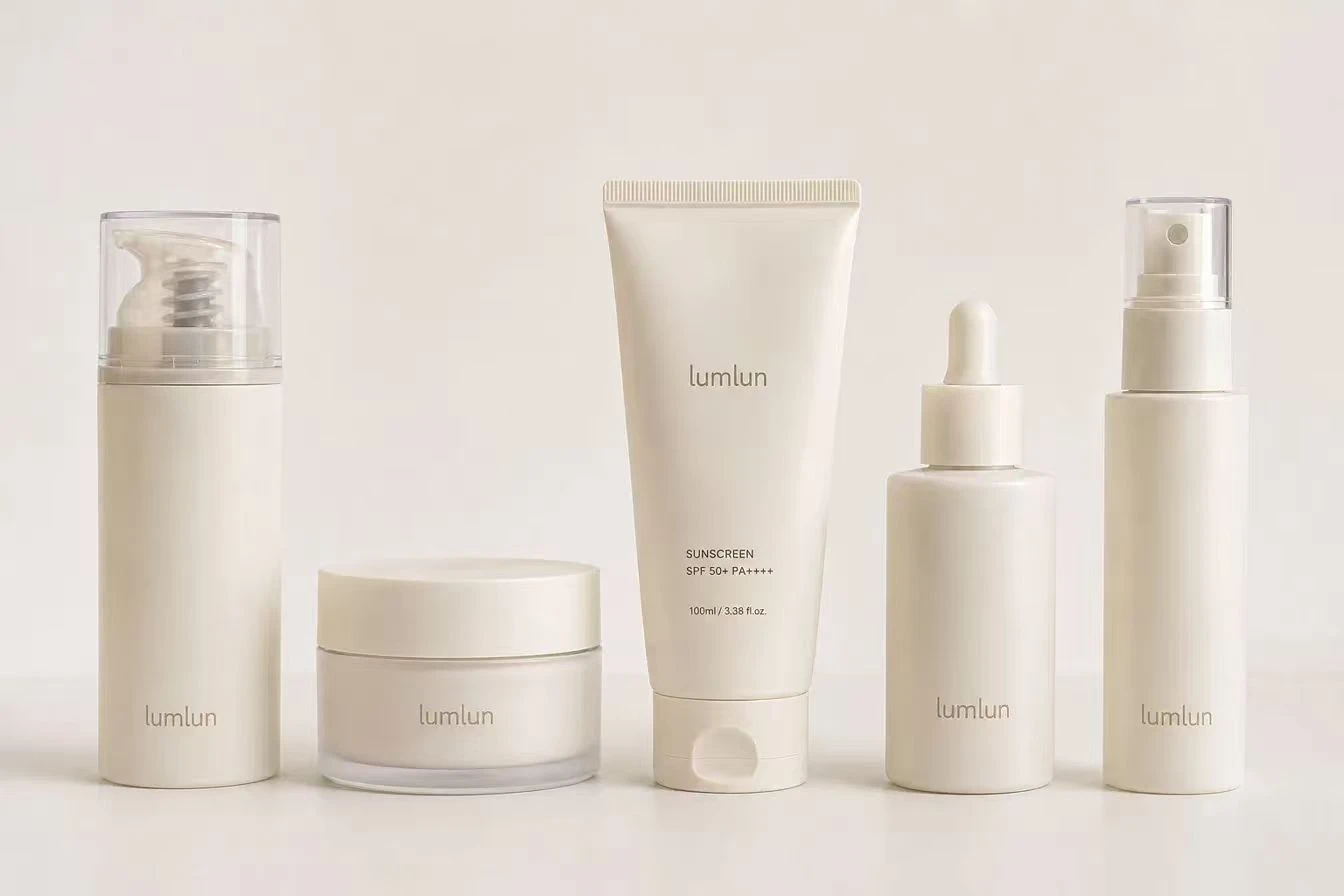
A skincare line does not need every SKU to use the same container. Keep the visual system consistent, but let each product use the format that fits its job. A serum, cream and sunscreen can share color, typography and finish while using a dropper, jar and tube respectively.
This is often clearer than forcing one bottle shape onto products with very different dispensing actions. When two formats both work, visual consistency can then become a useful tie-breaker.
Usually, choose the packaging action and model family first, then compare the materials that are actually available in that family. PET, PETG, PP, PE, glass and acrylic-based constructions can all appear in skincare packaging, but they are not offered in every bottle, jar or tube structure.
This prevents a common sourcing problem: choosing a material name in isolation and then trying to force it into a dispenser or capacity that does not exist. If the project has a non-negotiable material direction, use it as a filter after the first functional shortlist.
The dispenser is part of the package choice. Yes. A bottle without the right pump, dropper, sprayer or outlet is not a complete packaging choice. The dispenser controls how the product reaches the user, how much is released and whether the package feels natural for the product role.
This is especially important when two bottles look similar. A 30ml bottle with a dropper and a 30ml bottle with an airless pump solve different dispensing tasks even before color or decoration is considered.
Confirm the format, real model, capacity and dispenser first. Once those are stable, color, printing, coating, hot stamping and other decoration can be reviewed on a structure that actually exists.
This order also keeps artwork practical. Printable area, curved shoulders, cap size and total dimensions depend on the selected model, so decoration becomes easier when it follows the package instead of trying to define the package.
Masks, spot treatments, travel sizes and higher-volume products. A mask can be very different from a daily moisturizer, so start from how it is applied. A rich wash-off or sleeping mask may suit a jar when direct access is useful. A pumpable treatment can use a pump bottle or airless format, while a targeted treatment may work better in a smaller tube or pump.
“Mask” is a product category, not a single packaging instruction. Texture, application area and amount per use still decide which real family deserves the first comparison.
Spot treatments usually benefit from a small pack and controlled application. Precision tubes, small airless pumps and droppers can all be relevant depending on whether the product is squeezed, pumped or dropped.
The useful distinction is the target area and dose, not a generic rule that every acne, blemish or eye treatment needs the same applicator.
For hand cream, a cosmetic tube is a common first comparison because squeeze dispensing works naturally with many cream textures. A pump bottle can also make sense at larger capacities or when the formula is more fluid.
Again, the product name does not settle the decision. Planned capacity, formula movement and the preferred dispensing action narrow the real model list.
Small sizes should keep the same logic as the full-size product: the dispensing action still needs to make sense. A 5ml or 10ml treatment can use a small airless bottle, dropper or tube if a real model exists in that capacity.
Do not choose a miniature format only because it looks compact. The small pack should still dispense the formula in the way the product is meant to be used.
For a fluid cleanser or cleansing oil, compare a controlled pump bottle first when the product is dispensed into the hand. The real pump path, bottle material and capacity still need to match the formula; the word “cleanser” does not define one universal bottle.
If the product is a thicker cleansing cream, a tube can be a better first comparison. Use the product form and dispensing action to separate these two routes.
High-volume products often need a different capacity and handling approach from a targeted 10ml treatment. A 300ml body product and a small facial treatment have very different capacity, grip and dispensing needs even if both are emulsions. Larger formats often make pump reach, bottle stability and amount per press more important.
This is another reason to treat product type as a route map rather than a fixed material or container rule.
From a Packaging Family to a Real LumLun Model
Rule it out when the basic dispensing action conflicts with the product. If the product must spray, a jar is not a realistic first direction. If it needs direct scooping, a narrow pump is not the natural starting point. If a target capacity does not exist in the family, move to another model before discussing decoration.
Removing an unsuitable format early is useful because it keeps the later comparison between options that can actually become a product.
Use a simple sequence: product type → dispensing action → capacity → real model availability. If several models remain, compare material, closure, dimensions and the filled dispensing behavior that matters to the product.
For example, a moisturizer may start with jar, airless jar, pump bottle and tube. If the product must be pumped and the planned fill is 50ml, the first four-format question can quickly become a comparison between one or two real pump models.
Use the real model and sample to confirm the final choice. Once one or two realistic models remain, a sample can confirm the things that are difficult to judge from a catalog: size in hand, dispensing action, pump or cap feel, outlet position and how the filled product moves through the pack.
The sample stage should answer the final model question, not create a long technical test program before the packaging direction is clear.
| Question | Why it matters |
|---|---|
| How should the product come out? | Separates dropper, pump, squeeze, spray and open-access formats. |
| How much is used each time? | Helps judge pump output, outlet style and whether a precision applicator is useful. |
| What is the planned fill volume? | Removes models that do not exist in the required capacity. |
| Does the product need direct access or controlled dispensing? | Clarifies jar versus pump/tube directions for creams and treatments. |
| Which real LumLun models remain? | Moves the decision from a packaging idea to a purchasable structure. |
Use the same three-step logic: identify the product form, choose the dispensing action and confirm the planned capacity. Then compare the closest packaging families and real LumLun models. The map is a starting method, not a fixed list of every possible skincare SKU.
Once the packaging family is clear, the next useful step is often to look at real products in that category. A category shows which capacities, shapes and structures are actually available, while a specialist comparison is useful only when a remaining decision still needs explanation.
That keeps research from becoming endless. Choose the family first, use a specialist comparison only when needed, then move into real product models.
Once the first format is clear, compare the actual specifications in LumLun Products. Capacity, material, dispenser and structure stay tied to the exact model; they should not be mixed across unrelated product records.
If you want to compare a real model for a serum, cream, sunscreen or another skincare product, contact LumLun and we can start from the closest existing packaging direction.
Keep the final shortlist tied to the exact model reference used for sampling and quotation.
Use the product type to choose the first packaging families worth comparing. Then move to real LumLun models, because the final bottle, jar, tube, pump or sprayer still has to match the actual product and project.