Hand cream packaging works best when the package follows the formula and the way the product will actually be dispensed. A squeeze tube, lotion pump bottle and airless bottle can all be sensible hand-care formats, but they solve different jobs. The useful question is not which format looks more premium; it is which one makes the formula easy to dispense, fits the intended capacity and remains convenient in the real use setting.
For a B2B project, this means starting with a few practical differences: how thick the hand cream is, whether the user should squeeze or press, whether the package needs to travel regularly, and whether the product belongs in a compact hand-care SKU or a larger countertop range.
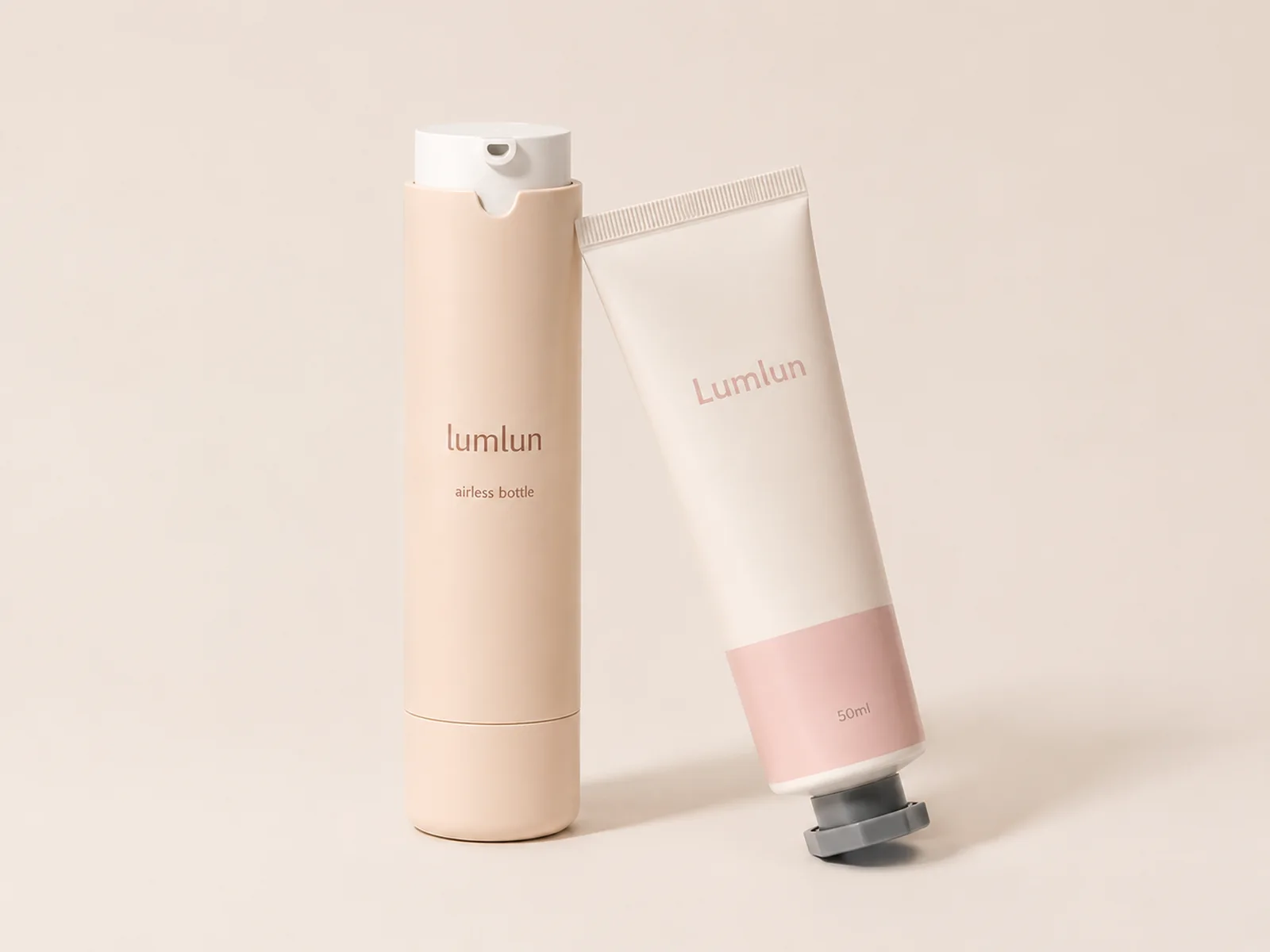
Start With Formula Texture and the Way the Product Will Be Used
“Hand cream” covers more than one texture. A lighter hand lotion may flow easily through a conventional lotion pump, while a richer cream may feel more natural in a squeeze tube or in an airless model that has been confirmed with that formula. Product name alone is not enough to choose the package.
The first decision is squeeze, pump or airless dispensing.
A tube asks the user to squeeze the flexible body. A lotion pump asks the user to press a pump connected to the bottle. An airless bottle uses its own airless dispensing system and should be treated as a separate packaging family. These formats may all hold hand-care products, but the pump, outlet and flow path are not interchangeable.
Use location matters, but it should stay practical rather than becoming a lifestyle story. A compact product that is carried often benefits from a protected closure and a pack that is easy to store. A product that mostly stays at a sink, treatment table or other fixed-use surface may have more freedom in overall height and pump format. The point is to match the physical package to the real use pattern, not to invent a consumer persona.
When a Cosmetic Tube Fits Hand Cream
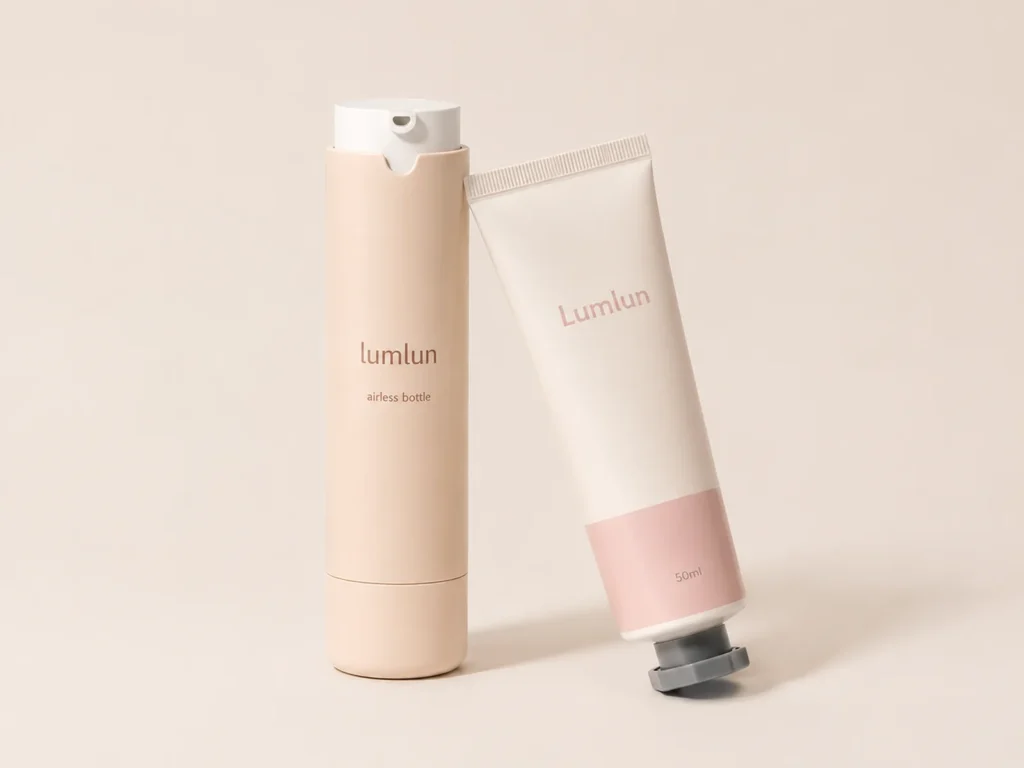
A cosmetic tube is a strong starting point when the project needs a lightweight, squeezable and compact package. The body can collapse as product is used, the outlet can be selected around the formula, and the broad tube surface provides a practical area for artwork. LumLun’s 50ml PE Cosmetic Tube with Metallic Screw Cap is a confirmed hand-cream direction with a 50ml PE body.
A tube is especially useful when portability matters or when the brand wants the user to control the amount by squeeze pressure. Rich creams can also work well in tubes, but “thick” should not be treated as a universal compatibility rule: shoulder, orifice, cap and formula flow still have to match the selected tube.
The tube also creates a different end-of-use behavior from a rigid bottle. That can be useful for hand cream, but it does not make a tube automatically better. If the project specifically needs pump dispensing, a tube should not be forced to solve that job just because it is familiar.
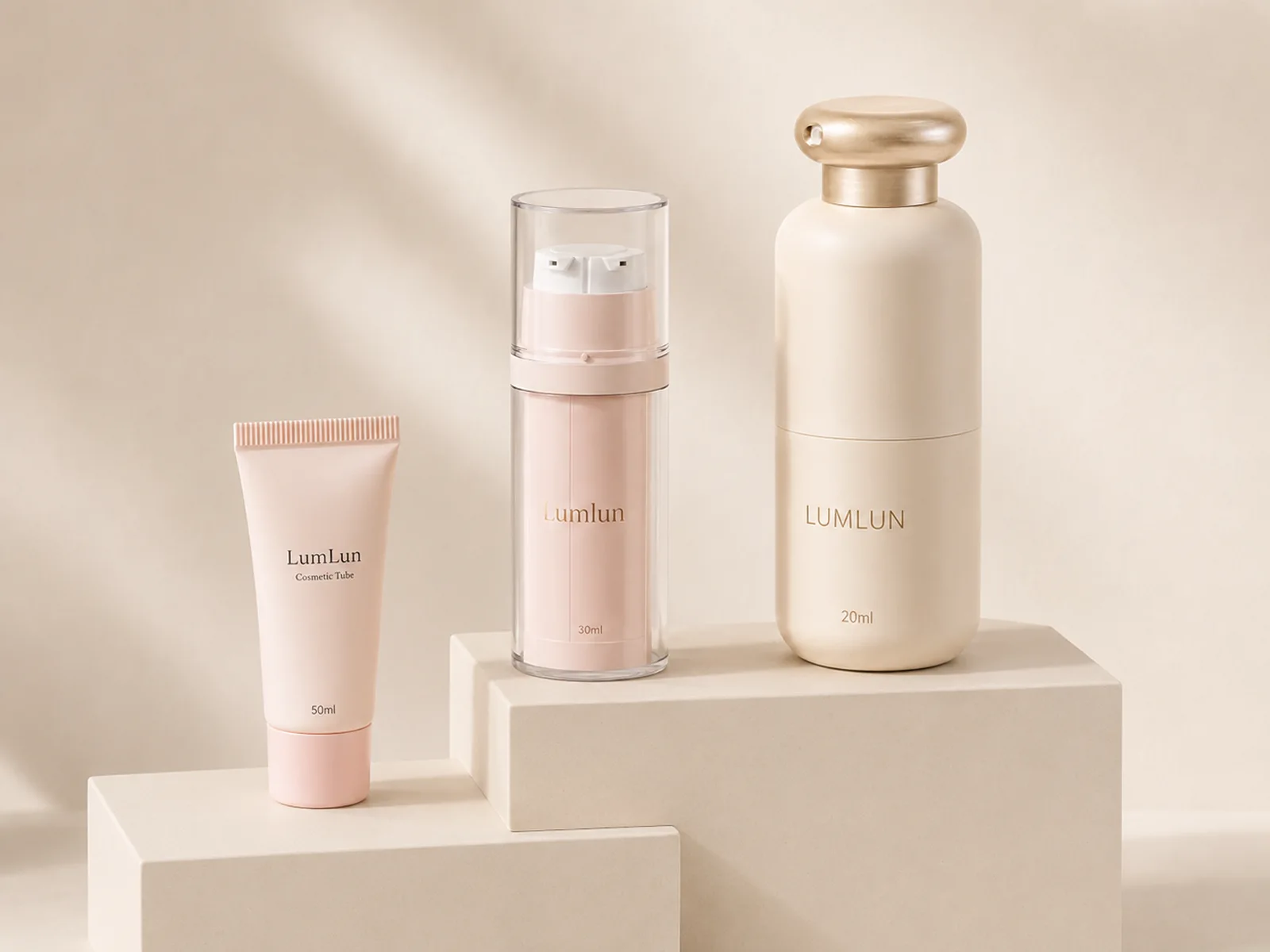
Closure and outlet matter as much as the tube body.
A screw cap, flip-top or other closure changes how the package opens, how exposed the outlet is during storage and how much space the top adds to the assembled pack. The orifice also needs to make sense for the cream. A very small outlet may feel slow with a rich product, while an oversized opening can make a lighter hand lotion harder to control. Those are model-level choices, not reasons to label one tube family as universally better.
A tube also gives the brand a broad printable panel, but the artwork should follow the real shoulder, seal area and cap orientation. If several hand-care SKUs share one tube family, compare the smallest size first so the logo and mandatory product information remain readable across the range.
When a Lotion Pump Bottle Fits Hand Cream or Hand Lotion
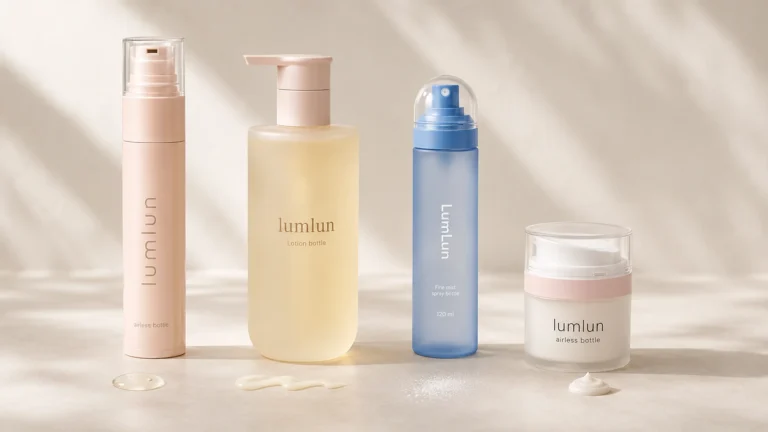
A lotion pump bottle makes sense when the product is intended to be pressed out repeatedly from a stable bottle, especially for a lighter cream, hand lotion or frequent-use countertop format. LumLun’s Round PE Lotion Pump Bottle with Lockable Pump is available from 50ml to 500ml, so it can support compact hand-care sizes as well as larger personal-care roles.
The important buying question is not simply whether the formula is “a lotion.” The selected pump output, dip tube, neck finish and formula flow have to work together. If the cream is too heavy for the selected pump, or if the dip tube and bottle geometry are poorly matched, the experience can change. Those are model-confirmation questions rather than reasons to reject the whole lotion-pump family.
A lockable pump can also be useful when the assembled pack needs a more controlled closed position. The exact lock style, pump output and neck still belong to the confirmed model; they should not be assumed from another bottle that looks similar.
Pump convenience only matters if the pump matches the product.
One-hand pressing can be useful for frequent hand-care use, but it is not enough to choose a pump bottle. The user still needs a stable bottle, a pump that returns normally after each press and an output that does not force many presses for one application. A filled sample gives a much better answer than a generic “lotion pump” label.
Residual product should also be considered realistically. A dip-tube pump may leave some product that becomes harder to reach near the end depending on bottle geometry, tube length and formula. This is not a defect claim against lotion pumps; it is one of the physical differences a buyer may weigh against squeeze tubes or airless systems.
When an Airless Bottle Fits Hand Cream
An airless bottle becomes relevant when the project specifically wants an airless dispensing route rather than a dip-tube lotion pump or squeeze tube. It can reduce repeated direct contact with the remaining formula during normal use and can support a more enclosed dispensing path. LumLun’s PP Refillable Airless Bottle for Lotions & Creams is available in 50ml and 100ml.
Airless can also be useful for a higher-value hand treatment when the brand wants controlled pump dispensing and wants to reduce hard-to-access residual product, provided the piston/pump structure and the real cream are well matched. This is a practical packaging benefit, not a guarantee of formula stability, shelf life or a fixed evacuation percentage.
If the product brief does not need airless dispensing, a tube or standard lotion pump can remain the cleaner decision. Airless is another tool, not a universal upgrade.
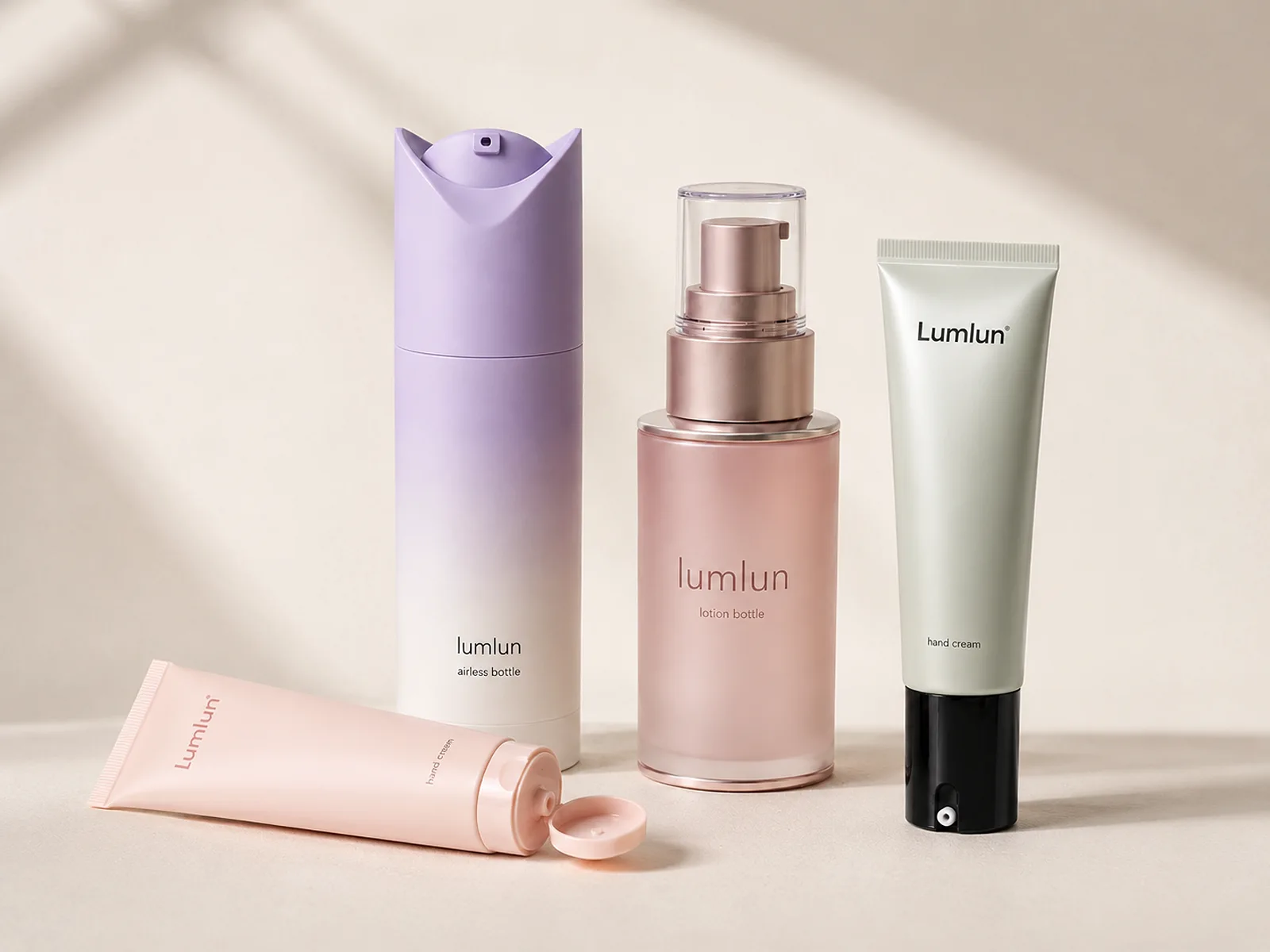
Airless is especially relevant when the dispensing path itself is part of the product requirement.
For example, a concentrated hand treatment may be positioned around controlled pump use rather than repeated squeezing. In that case, the buyer should compare the actual actuator feel, pump output and how the cream moves through the selected airless system. A generic “airless” label cannot answer those model-specific questions.
Refillable or replaceable-inner airless structures add another decision: whether the outer pack is meant to remain while an inner component is replaced. That can be useful for a planned refill system, but the inner compatibility, replacement sequence and supply plan must be confirmed for the exact model. It should not be added to a hand-cream project simply because refillability sounds attractive.
Match Capacity, Portability and Product-Line Role
Capacity should be chosen with the dispensing format, not after it. A compact tube or 30–50ml pump format may suit a smaller hand-care role, while 50–100ml can work as a core size for many hand creams and lotions. Larger pump bottles make more sense when the product is used frequently or is intended to stay in one place.
Do not rely on milliliters alone. A 50ml tube, a 50ml lotion bottle and a 50ml airless bottle can have very different height, width, closure and packed dimensions. If the product must fit a carton, set or travel pouch, compare the assembled pack, not just nominal capacity.
| Project priority | Format to compare first | Why it belongs on the shortlist |
|---|---|---|
| Compact, squeezable hand cream | 50ml PE Cosmetic Tube | Flexible body, compact format and direct squeeze control |
| Pump-dispensed hand lotion or lighter cream | PE Lockable-Pump Lotion Bottle | Stable bottle with pump dispensing and a wide capacity family |
| Airless pump route for cream/treatment | PP Refillable Airless Bottle | Airless dispensing, 50ml/100ml options and replaceable-inner direction |
A coordinated hand-care range does not need identical hardware.
Hand cream, hand lotion and hand wash can share color, typography and surface language while using different dispensing families. Forcing every SKU into one bottle shape can create a worse use experience. A more practical system keeps the visual family connected while allowing the hand cream to use the format that best suits its formula and use pattern.
Shipping and secondary packaging also become more important as pumps get taller. A compact tube is naturally space-efficient, while a pump bottle may need more vertical clearance and protection around the actuator. These differences can influence carton dimensions and packed volume even when nominal capacity is similar.
Compare Real LumLun Models Before Customization
Once the format is clear, compare actual models rather than designing from a generic “tube,” “pump bottle” or “airless bottle” idea. Check the real capacity, assembled proportions, outlet or pump, closure, material and available decoration area. This prevents artwork or product-line decisions from being built around a package that does not exist in that exact form.
Color, printing and surface finish come after the structure. If an existing model is already close, those visual changes can usually be discussed around the real package. If the project needs a different capacity, silhouette, pump architecture or other structural change, compare another existing model before treating new tooling as the default.
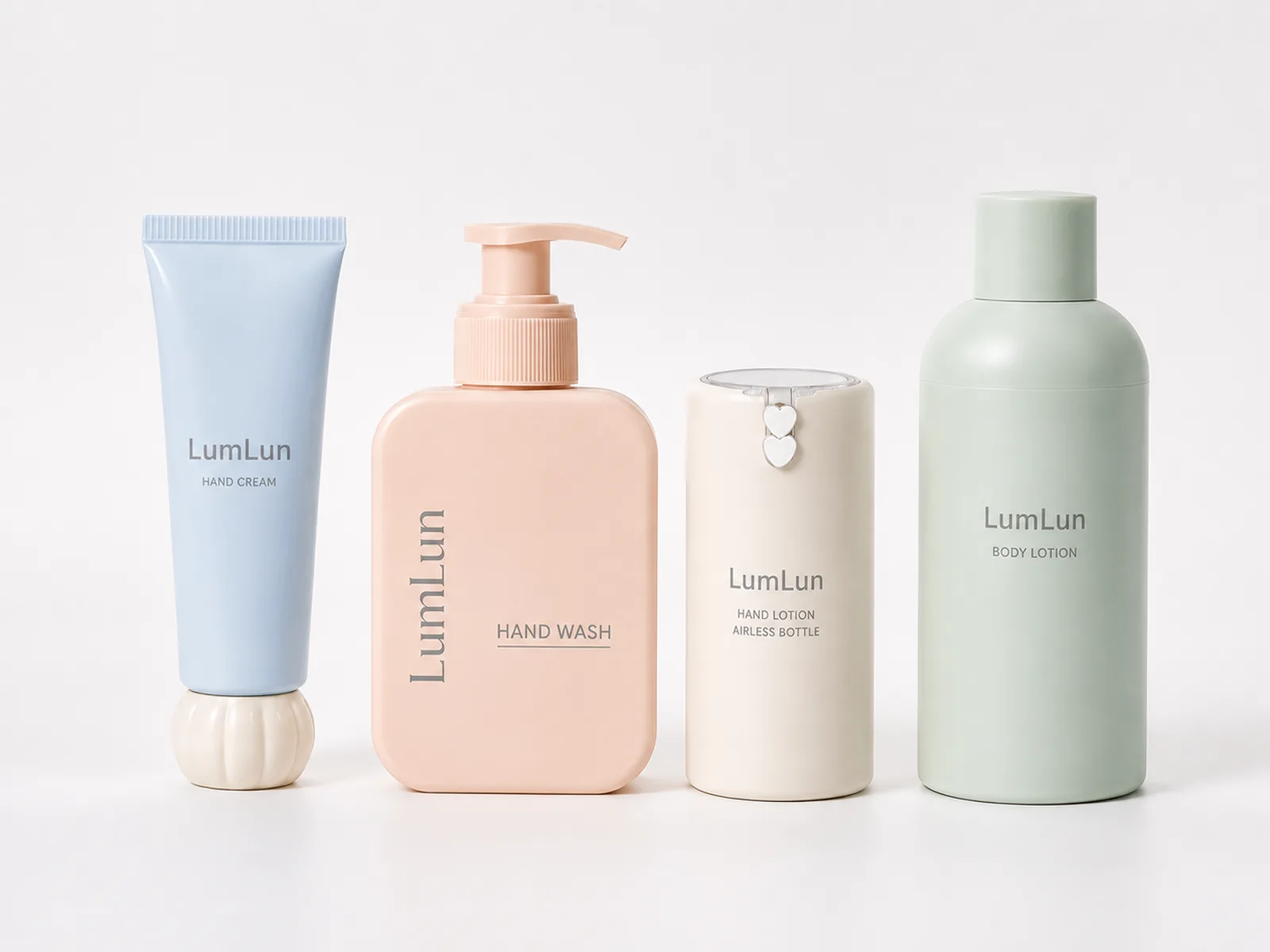
For a hand-cream project, the most useful next step is simply to compare the closest real tube, lotion-pump or airless models and see which dispensing route fits the finished product best.
Use samples to compare the differences that cannot be judged from a rendering.
For the final shortlist, place the real packages side by side and compare grip, cap or lock action, assembled height, outlet/pump position and how naturally the formula is dispensed. A filled sample should confirm the product-dependent behavior with only the checks that can change the packaging decision.