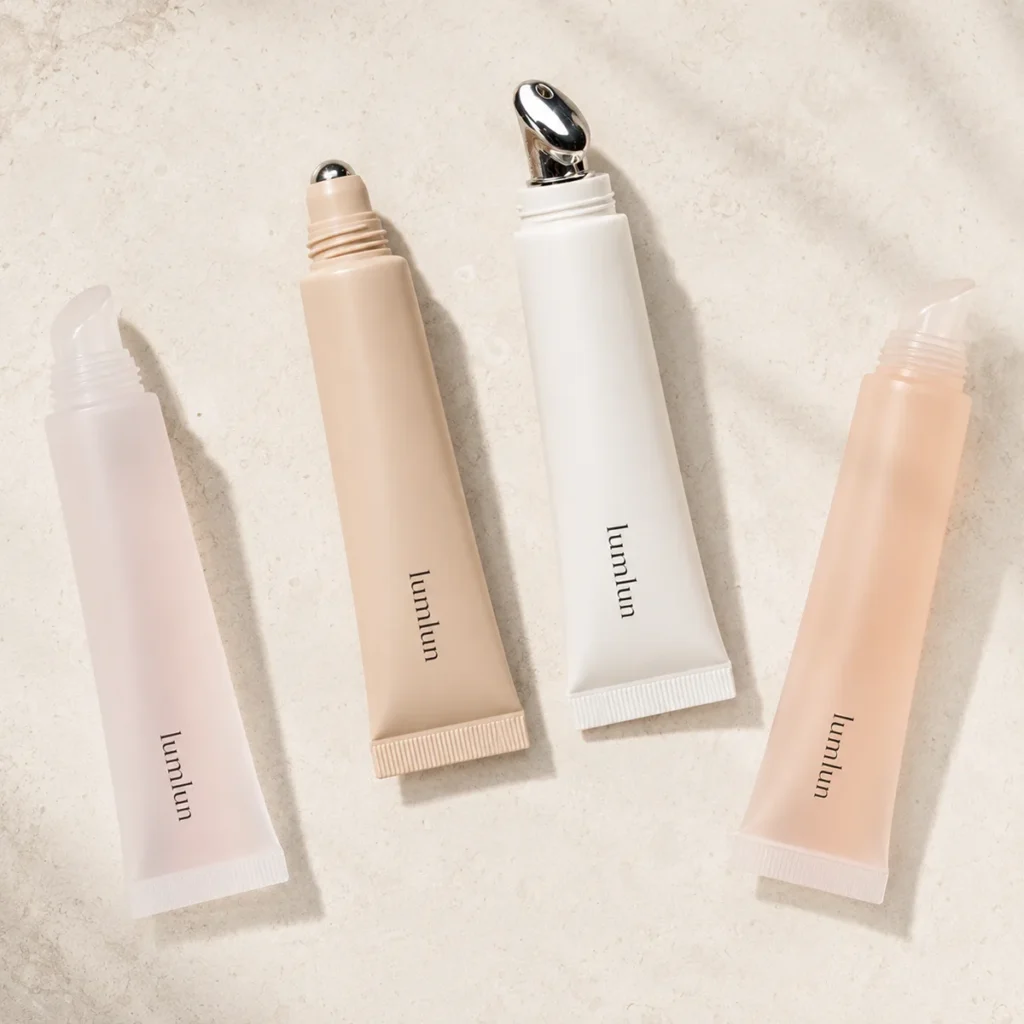
Silicone, PP, ceramic and metal can all be used as contact materials on lip-care or other small cosmetic-tube applicators, but the material name alone does not tell you which package is right. Start with the application shape and the way the product leaves the tube. Then compare how flexible or rigid the contact surface should be, what real tube models are available, and how the applicator fits with the outlet and cap.
This keeps two different decisions separate. A rollerball is an application mechanism because a ball rotates in a housing. Silicone, PP, ceramic and metal are material choices for the part that touches the application area. Some rollerballs may also use metal or ceramic balls, but that does not make every metal or ceramic applicator a rollerball.
Choose the contact shape before ranking the material
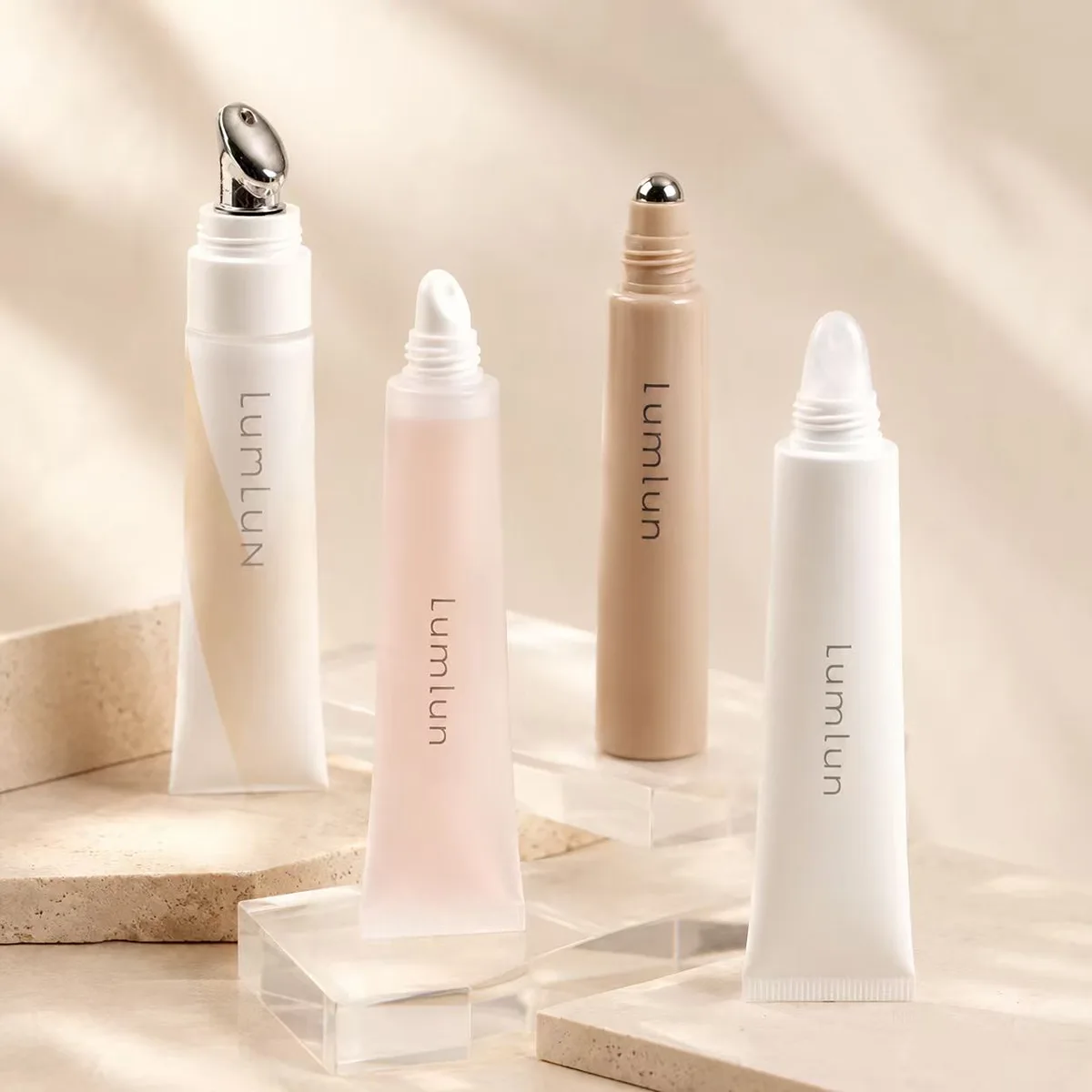
A fixed applicator surface can be slanted, rounded, curved or otherwise contoured. Product may leave through an opening in the middle of that surface or from another outlet integrated into the component. The geometry affects how the pack reaches the lips and how much surface touches the product during application.
If the project needs rolling application, compare rollerball models first. If the tube should dispense product and use the fixed tip itself to spread it, then a direct-contact material comparison makes sense. When the application action itself is still undecided, comparing fine-nozzle, rollerball and slanted-tip tube applicators first keeps the material choice in the right place.
This is important because “ceramic applicator,” “metal applicator” and “silicone applicator” are often used as search terms even when the physical structures are different. The same material can appear in more than one geometry, and similar geometry can be made from different materials.
The most useful question is therefore: what kind of contact surface does the project need, and what material options actually exist on that structure?
Silicone: a flexible contact surface
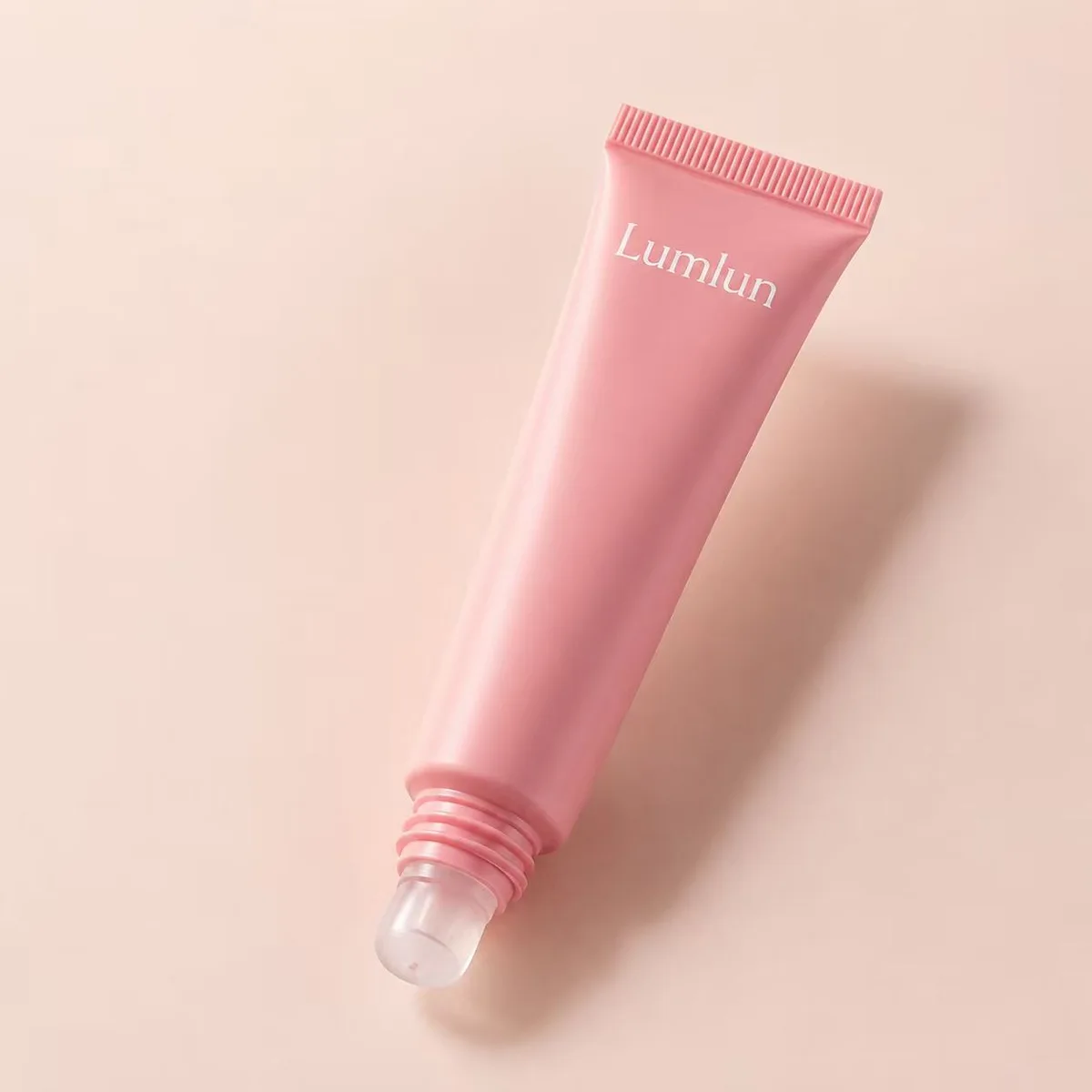
Silicone is the flexible direction in this comparison. On a cosmetic squeeze tube, a silicone tip can bend slightly under contact instead of behaving like a rigid molded head.
That flexibility is a physical difference, not a skincare benefit claim. It can be relevant when a buyer wants a softer contact surface on a lip-care tube, but it does not prove that the finished product is more effective, safer or more comfortable for every user.
LumLun’s current Silicone-Tip Lip Balm Squeeze Tube is recorded with a 10–20ml technical specification range and PE / sugarcane PE / PCR tube-body directions. The silicone applicator belongs to that complete model; it should not be assumed to fit every 19mm tube or every lip-care package.
When comparing silicone tips, look at the actual contact shape, opening, thickness, cap clearance and the amount of exposed surface. Those details will affect the way the finished package looks and handles more than the generic word “silicone.”
PP or PE-type rigid tips: molded, lightweight contact surfaces
A rigid molded plastic tip gives a different contact feel from silicone. PP or PE-type applicator heads can be shaped with a smooth slanted or curved contact surface while remaining firm under normal use.
The key advantage from a packaging perspective is not that rigid plastic is “better” than silicone. It is that the geometry stays fixed. For a project that wants a defined slanted surface and a simple molded component, a rigid plastic applicator may be the more direct structure.
LumLun currently lists a PE-Tip Lip Balm Squeeze Tube alongside silicone-tip and other lip-care options. Because current public records around this model contain inconsistent capacity text between the title and some technical fields, the safest approach is to confirm the exact capacity on the selected product before using it as a specification reference.
That is also a good example of why material should never be separated from the actual SKU. “PE tip” describes the contact material, but the usable package is still defined by the tube, shoulder, outlet, cap and confirmed size together.
Ceramic: a hard, smooth contact material with a distinct visible surface
Ceramic applicators are rigid. They can be formed into smooth fixed-contact heads and are visually different from silicone or molded plastic. In some cosmetic packaging, ceramic is also used in rolling elements, which is why the word “ceramic applicator” needs a structural check before a model is selected.
For a fixed lip-care tip, the buyer may be interested in the hard contact surface, the appearance of the ceramic component and the way the material works with the chosen outlet and cap. Those are valid packaging differences.
Ceramic should be selected for the package structure, contact surface and visual requirements it can actually provide. Any skin-effect or formula-performance claim would need separate product evidence; the material name alone is not enough.
LumLun’s current Cosmetic Tube catalog includes a 15ml PE Lip Balm Squeeze Tube with Ceramic Applicator. That gives buyers a real model to compare with silicone or rigid plastic directions rather than treating ceramic as a free component that can be attached to any tube.
Metal: a rigid contact surface that can be fixed or part of a rollerball
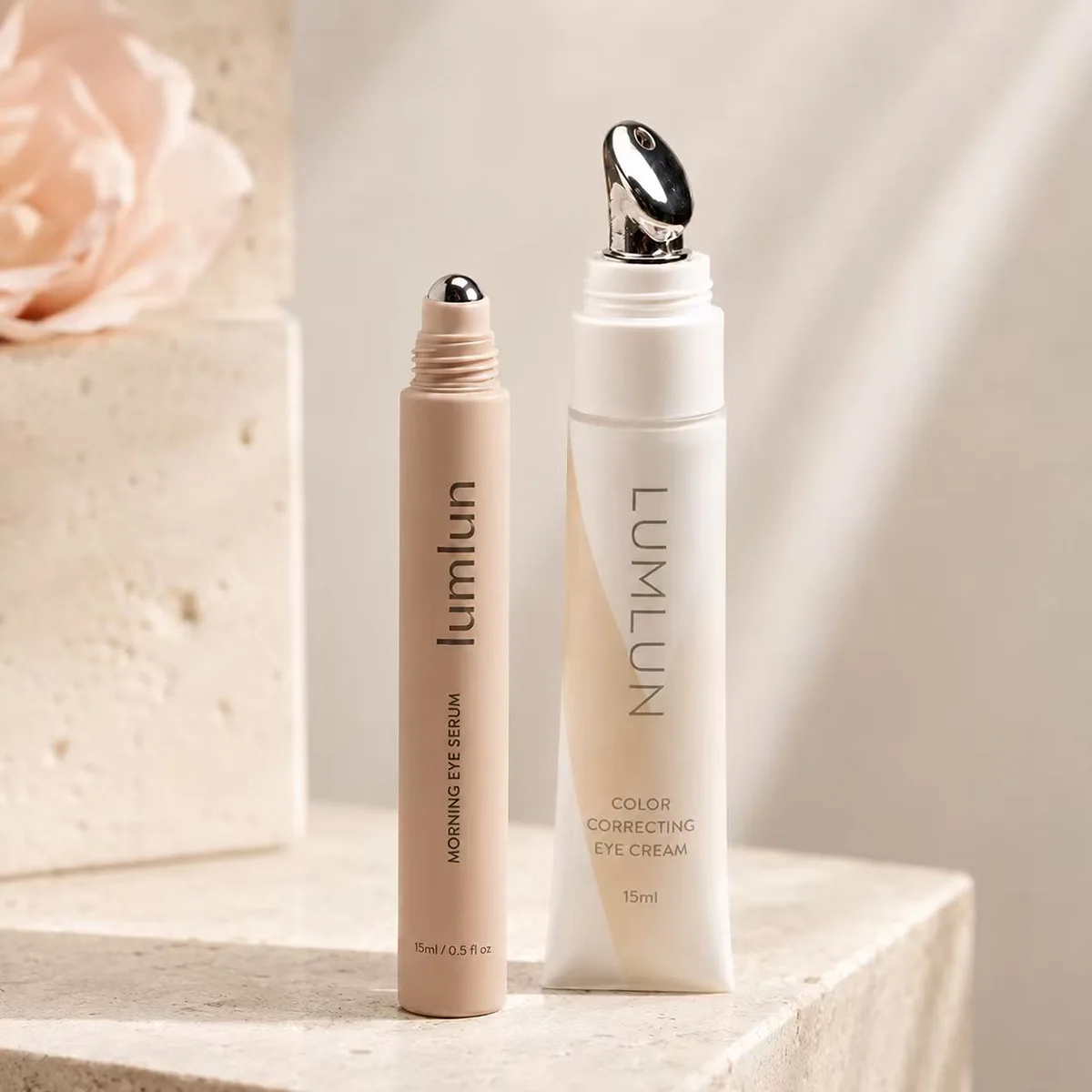
Metal is also a rigid contact material, but the word “metal applicator” can describe different structures. One product may use a fixed polished contact head; another may use a metal ball that rotates in a rollerball housing.
Those are not interchangeable mechanisms. If the project wants rolling application, compare the full rollerball package. If it wants a fixed contact surface, compare the shape, outlet and cap of the fixed-head model.
LumLun product records reference eye-care tubes with metal applicators in the current range. The useful procurement point is to verify the exact model rather than generalize from the material. The visible metal surface may influence the design direction, but it does not by itself prove a performance or efficacy benefit.
For color and finish planning, a metal component can also become a strong visual element because it contrasts with the printed tube body. That is a design consideration after the structure is confirmed, not a reason to choose metal before the application action is clear.
Compare the four material directions on procurement-relevant criteria
| Material direction | Contact behavior | What to compare on the real model |
|---|---|---|
| Silicone | Flexible contact surface | Tip shape, softness, opening, cap clearance, tube capacity |
| Rigid molded plastic (PP/PE-type) | Firm molded surface | Geometry, outlet, surface finish, cap fit, confirmed model |
| Ceramic | Hard, smooth rigid surface | Fixed vs rolling structure, contact shape, outlet, cap, actual SKU |
| Metal | Hard rigid surface; can be fixed or used as a rolling ball | Mechanism, surface shape, ball housing if relevant, cap and model compatibility |
This table is intentionally about physical packaging differences. It does not rank one material as universally best. The right direction depends on the actual structure, product flow and contact experience the brand wants to create.
Keep rollerball separate from the fixed-tip material comparison
Rollerball is worth separating because it is often mixed into material comparisons. A rollerball can use a metal, ceramic or other ball material, but its defining action is rotation inside a housing.
If the intended application is “roll the product across the lips or eye area,” the ball housing, flow to the ball and cap become central. If the intended action is “squeeze the product through an opening and spread it with a fixed surface,” the shape and material of that fixed tip become central.
Starting with the mechanism prevents a buyer from comparing, for example, a silicone slanted tip with a metal rollerball as if the only difference were the material. In reality, the user action and component structure have changed at the same time.
Outlet design is as important as the material that touches the skin
A smooth applicator can still dispense poorly if the outlet is not suited to the product. Some direct-contact heads have a central opening. Others use a different channel or opening position. The size and position of that outlet influence how product reaches the contact surface.
There is no universal outlet size that works for every lip serum, balm or treatment. A light oil-like product and a dense balm-like product can behave very differently even when both are sold in small squeeze tubes.
For early packaging selection, broad flow descriptions are usually enough to narrow the options. Once a real model is chosen, the exact outlet and product can be reviewed together. There is no need to turn the first packaging conversation into a laboratory protocol.
Cap clearance and contact geometry need to work together
The cap closes around the applicator. A taller fixed head, a broad curved surface or a rollerball housing needs a cap designed around that geometry. This sounds obvious, but it is one of the reasons applicator components cannot be treated as free accessories.
A tip that fits the tube opening but interferes with the cap is not a workable package. Likewise, changing from a soft silicone head to a rigid ceramic shape may require a different component assembly even if the two tips look similar in a front-view photo.
When comparing two models, look at the assembled upper section rather than the exposed tip alone. The shoulder, applicator and cap together determine the final height, proportions and usable contact area.
Residue around the outlet is a geometry question, not a material ranking
Direct-contact applicators place the outlet close to the surface that touches the application area. Depending on the geometry, some product may remain visible around that opening after dispensing. A rollerball has a different interface because product transfers around a moving ball.
This does not mean one material is automatically “cleaner” than another. The opening position, surface contour, product flow and cap all contribute. A smooth ceramic or metal surface cannot compensate for an outlet geometry that is poorly matched to the product, and a silicone tip should not be described as hygienic simply because it is silicone.
The useful comparison is the complete component on the actual model.
Real LumLun models make the material comparison easier to understand
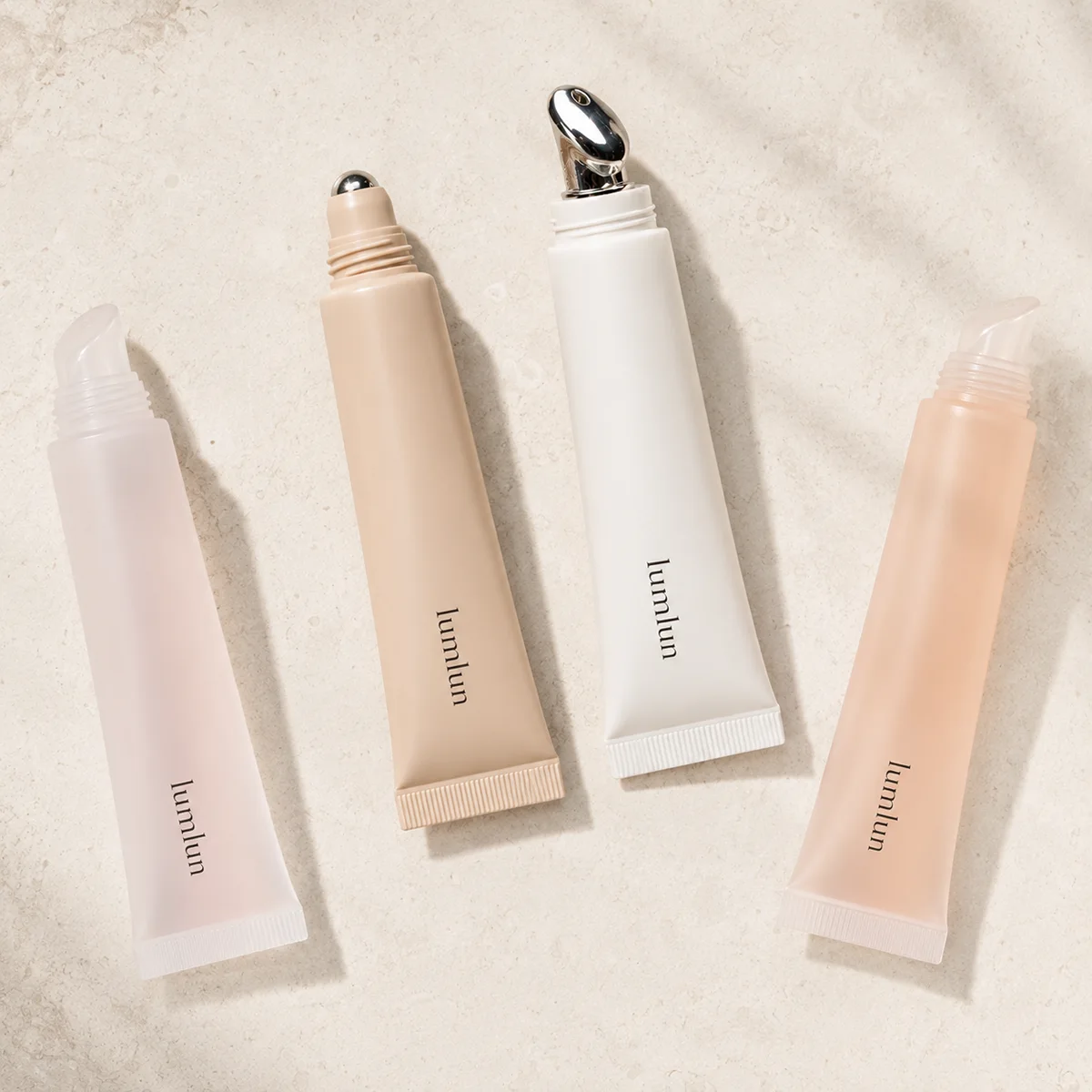
| Model direction | Confirmed information | What it represents |
|---|---|---|
| Silicone-Tip Lip Balm Squeeze Tube | 10–20ml technical spec; PE / sugarcane PE / PCR tube-body options | Flexible fixed-contact applicator |
| PE-Tip Lip Balm Squeeze Tube | Rigid molded tip; confirm exact capacity on the selected record | Rigid plastic fixed-contact direction |
| 15ml PE Lip Balm Squeeze Tube with Ceramic Applicator | Listed in LumLun’s current Cosmetic Tube catalog | Rigid ceramic fixed-contact direction |
| 15ml PE Rollerball Tube | 15ml, PE, rollerball | Rolling mechanism; material should be checked separately |
Using real examples keeps the discussion honest. A material option is useful only when it exists on a package whose capacity, shape, outlet and cap also fit the project.
Material should refine an approved structure, not create an impossible combination
A common custom-packaging request starts with several favorite details from different products: the tube shape from one model, the cap from another and the applicator material from a third. Visually the combination may sound simple, but those components can use different dimensions and assemblies.
The practical route is to choose the structure that gets closest to the required application action, then see which material options exist on that structure. If another existing model provides a better contact material while keeping the right capacity and geometry, switching models may be easier than rebuilding the first model around a new applicator.
New tooling belongs at the end of that process, when the required contact shape or component truly does not exist in the available range.
Color and decoration come after the applicator structure is confirmed
Applicator material can affect the visible design. Silicone may be translucent, colored or otherwise visually distinct depending on the component. Rigid plastic can often be molded in a coordinated color. Ceramic and metal create their own visible surface characteristics.
Those differences are useful when building the final look, but artwork should still be developed around the approved tube. The applicator and cap take up part of the visible height, and small lip-care tubes leave less body area for printed text than larger skincare tubes.
A multi-SKU lip-care range can keep the same brand color system while using different applicators for different products. The goal is consistency where it helps, not forcing identical materials onto products with different application needs.
Flexible versus rigid contact is often the most useful first split
If the project has already decided on a fixed direct-contact tip, the first material question can often be simplified to flexible versus rigid.
A flexible silicone tip can deform slightly when it touches the application area. A rigid molded plastic, ceramic or metal tip keeps its shape. That difference is easy for a buyer to understand and often more useful than trying to rank four materials at once.
After that first split, the rigid group can be narrowed by the actual component that exists. A molded plastic head may be the simplest structural option. Ceramic may be preferred when the design calls for a hard, smooth ceramic surface. Metal may be considered when a fixed polished head or a rollerball assembly is part of the intended package. The decision stays attached to real components rather than abstract material preferences.
This also prevents the material from being asked to solve something it cannot solve. If the project really needs a narrower outlet, a different lip-contact angle or rolling application, changing silicone to ceramic will not create that new mechanism. The structure has to change first.
Three lip-care scenarios show why the same material is not right for every pack
Soft squeeze tube for a balm-like product: if the desired package is a compact tube with a fixed contact surface and the brand wants that surface to have some flexibility, a silicone-tip model is a logical starting point. The next comparison is the actual outlet and cap, not whether silicone is universally “better for lips.”
Small lip-serum tube with a firm applicator: if the project wants a fixed, non-flexing surface, a molded plastic, ceramic or metal head can be compared on the real models available. The final choice may come down to the contact shape, visible finish and component fit more than the material name itself.
Rolling lip or eye application: if the concept depends on the ball moving across the application area, the project has moved into rollerball packaging. At that point the ball material can be compared inside the rollerball category, but a fixed ceramic or metal tip is no longer an equivalent mechanism.
These examples are intentionally simple. They show that the application action and real package should control the material decision, not the other way around.
Do not use applicator material as a shortcut for skincare claims
Ceramic and metal are sometimes treated as if the material itself proves a skincare benefit. It does not. The package can be compared by contact surface, rigidity, geometry and mechanism without turning those physical differences into formula or skin-performance claims.
A ceramic or metal surface may feel physically different from silicone or plastic at a given temperature, and a rollerball creates a rolling contact action. That is enough for a packaging comparison. Whether a finished cosmetic product can make a skin-benefit claim depends on the product, evidence and market requirements—not on the applicator material alone.
Keeping those boundaries clear helps procurement teams compare the package they are actually buying without confusing component properties with claims about the formula inside.
For several SKUs, keep the visual system consistent without forcing one contact material
A lip-care range may include a balm, a serum and a gloss with different textures or application actions. Using the same applicator material on every SKU is not necessary for the range to look connected.
Shared tube colors, logo treatment, typography and compatible cap finishes can create a consistent family even when one SKU uses silicone and another uses a rigid tip. If a third product needs a rollerball, the brand can keep the visual language while allowing the mechanism to change.
This is especially useful when existing models already solve the functional requirements. It avoids unnecessary component development just to make every upper structure identical.
For buyers comparing samples side by side, it is helpful to judge the applicator together with the tube rather than touching the tip in isolation. The same contact material can feel and look quite different when the tip width, angle, opening and cap change. That complete-package view is the fairest basis for a material decision.
A physical sample can answer the questions photos cannot
Material is tactile, so a photograph cannot fully show the difference between a flexible silicone tip and a rigid ceramic, plastic or metal surface. A sample also makes the applicator scale, outlet position, cap fit and tube proportion easier to judge.
The sample should confirm the real package being considered. It does not need to become a complicated condition before an inquiry can start. A LumLun product link, a reference image or a simple note about the contact surface you have in mind is enough to begin comparing existing options.
LumLun’s general OEM MOQ is 10,000 pieces. Custom samples generally take about 12–15 days, and bulk production generally takes about 30–35 days after approval and receipt of the 50% deposit. Final quotation depends on the actual model, quantity, component and decoration.