Last Updated: July 2026
Before a customer finishes a skincare product, the packaging has already shaped how they judge it. The package affects the first product photo they see, the way the bottle feels in hand, how clean the dispensing experience feels, and whether the formula seems worth the price.
That is why airless packaging for skincare should not be treated only as a bottle structure. For the right product, custom airless packaging can help a skincare brand protect the formula story, reduce residue, create a cleaner daily-use experience, support a more premium impression, and give customers more confidence in what they are buying.
Airless packaging is not necessary for every skincare product. A jar, tube, standard pump bottle, dropper bottle, or fine mist bottle may be a better fit depending on the formula, budget, capacity, selling channel, brand stage, and user experience goal. The purpose is not to push every product into airless packaging. The purpose is to help skincare brands choose packaging that makes the product easier to understand, easier to trust, and easier to sell.
This article looks at airless packaging from a B2B skincare brand perspective. Instead of asking whether airless packaging is always “better,” it asks a more useful question: what can airless packaging do for your skincare brand, and when can it help the product sell with more trust?
Key Takeaways
- Airless packaging is most valuable when it supports the formula, user experience, and brand positioning at the same time. It is not simply a more complex bottle.
- The right packaging choice should be judged by product value, not bottle price alone. A higher packaging cost can make sense when it helps protect a higher-value skincare product and improve customer experience.
- Airless packaging can help reduce residue and create a cleaner dispensing experience. This can make the product feel more complete and more valuable in daily use.
- Airless packaging is not always the best option. Jars, tubes, lotion pump bottles, dropper bottles, and fine mist bottles can also be the right choice depending on the product and brand goal.
- LumLun can help narrow the packaging direction before sampling. Brands can start with a product idea, formula type, capacity, reference image, or brand direction.
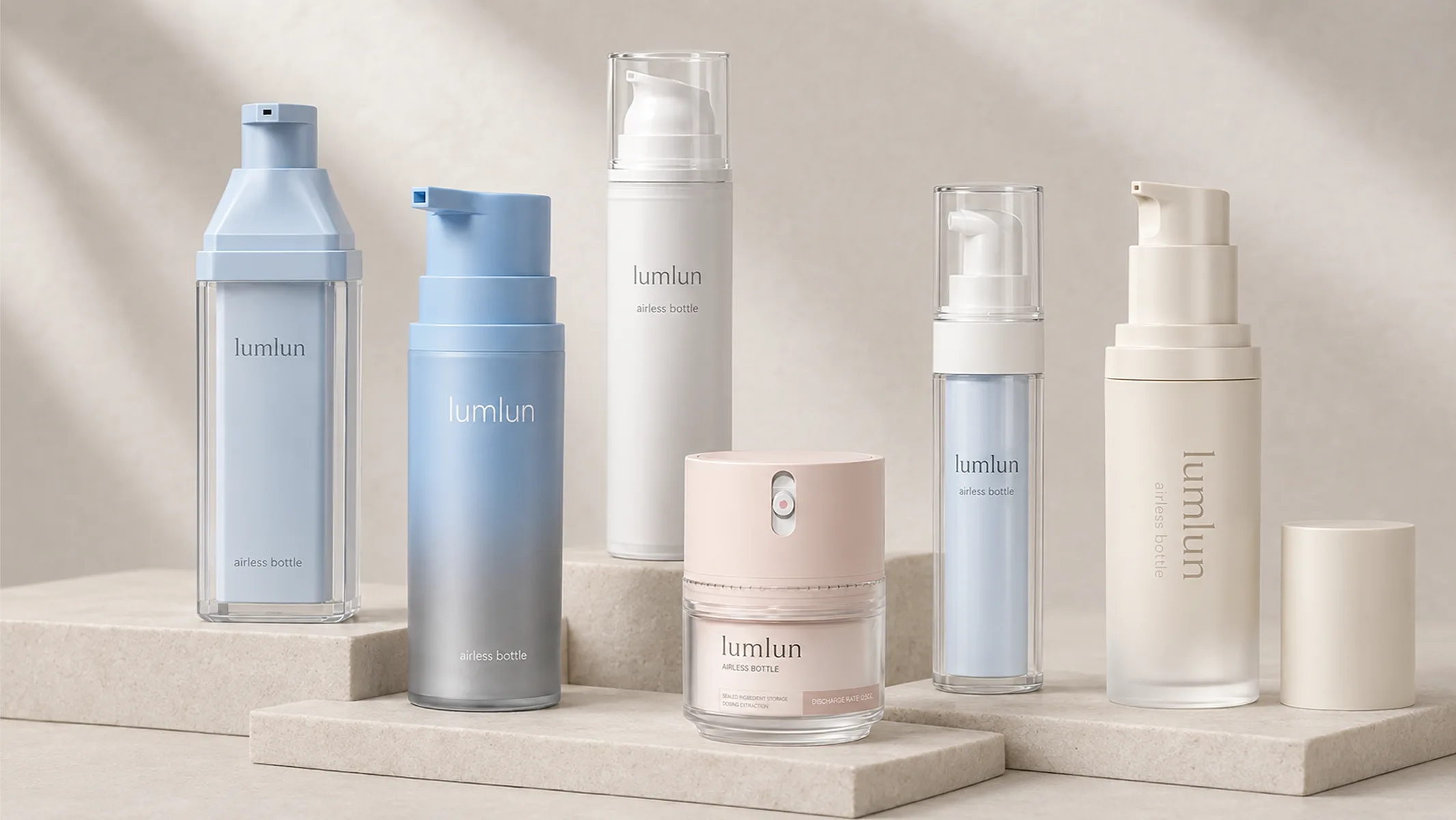
Why Do Skincare Brands Use Airless Packaging?
Skincare brands use airless packaging when the package needs to do more than hold the formula. For many products, packaging also needs to support formula protection, controlled dispensing, cleanliness, premium positioning, and customer confidence.
This matters because skincare customers judge products quickly. They see the package before they feel the texture. They notice whether the bottle looks clean, whether the pump feels controlled, whether the product seems easy to use, and whether the packaging matches the price point. A strong formula still needs packaging that helps customers understand its value.
Airless packaging is often considered for serums, lotions, treatment creams, eye care products, and premium skincare lines because these products usually depend on a more controlled product experience. A customer buying a higher-value skincare product may expect the package to feel cleaner, more precise, and more professional than a very basic container.
The main value is not that airless packaging looks different. The value is that it can help the brand communicate a more complete product story. The product can feel better protected, easier to dispense, less wasteful, and more considered from the first use to the last use.
For online skincare brands, airless packaging can help the product look more professional in product photos and thumbnails. For retail, spa, or offline channels, the same packaging can help the product feel more serious, controlled, and suitable for a higher-value skincare line.
Packaging decision: Airless packaging is worth considering when the package helps the skincare product feel more protected, more controlled, and more valuable to the customer.
What Can Airless Packaging Do for a Skincare Brand?
Airless packaging can help a skincare brand turn packaging performance into a clearer selling story. It can support the way the product looks, feels, dispenses, and earns trust over repeated use.
For a skincare brand, the package is part of the product experience. A pump that feels smooth, a bottle that stays cleaner, a package that helps reduce leftover residue, and a structure that supports formula protection can all shape how customers judge the product. These details may not replace the formula, but they can help customers feel that the formula was packaged with more care.
This is especially important for products positioned as premium, active, targeted, or experience-driven. A high-value serum in a basic package may still work, but the package may not fully support the price and brand message. An airless package can help the brand present the product as more refined, more controlled, and more suitable for a serious skincare routine.
For skincare brands, better packaging can support better price perception, stronger brand trust, and a smoother repeat-use experience. These are the kinds of packaging values that can help a product compete more effectively online, in retail presentations, and in buyer discussions.
Airless packaging can also support product line consistency. A brand may start with one serum and later add a lotion, cream, eye product, or treatment product. If the packaging system feels consistent, the line becomes easier to recognize and easier to expand. This does not mean every SKU must use airless packaging. It means airless packaging can become part of a stronger packaging system when it fits the brand direction.
| Brand Goal | How Airless Packaging Can Help | Customer-Facing Value |
|---|---|---|
| Premium product image | Cleaner structure, controlled dispensing, refined daily-use feel | The product feels more considered and worth noticing |
| Formula value story | Helps reduce repeated air exposure and unnecessary direct contact | Customers better understand why the product is packaged carefully |
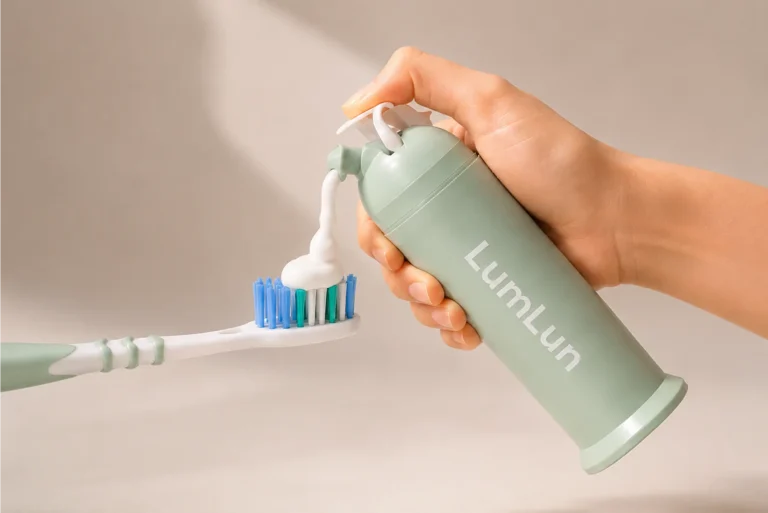
| Cleaner use experience | Press-to-dispense system with less direct contact with the formula | The product feels easier and cleaner to use every day |
| Reduced waste perception | Airless piston systems may help customers access more of the formula | The product feels more complete and more valuable |
| Product line expansion | Related airless formats can support serum, lotion, cream, and eye care SKUs | The brand looks easier to recognize and scale |
When Is Airless Packaging Worth Choosing?
Airless packaging is worth choosing when its added cost supports a clearer product benefit, stronger brand positioning, or better customer experience. It should not be selected only because it looks more technical or because another brand is using it.
A skincare brand should look at the product value first. If the formula is high-value, sensitive to air exposure, positioned as premium, or designed for a cleaner and more controlled routine, airless packaging may help the product feel more aligned with its promise. In that situation, the packaging cost is not just a container cost. It supports the way the product is experienced and understood.
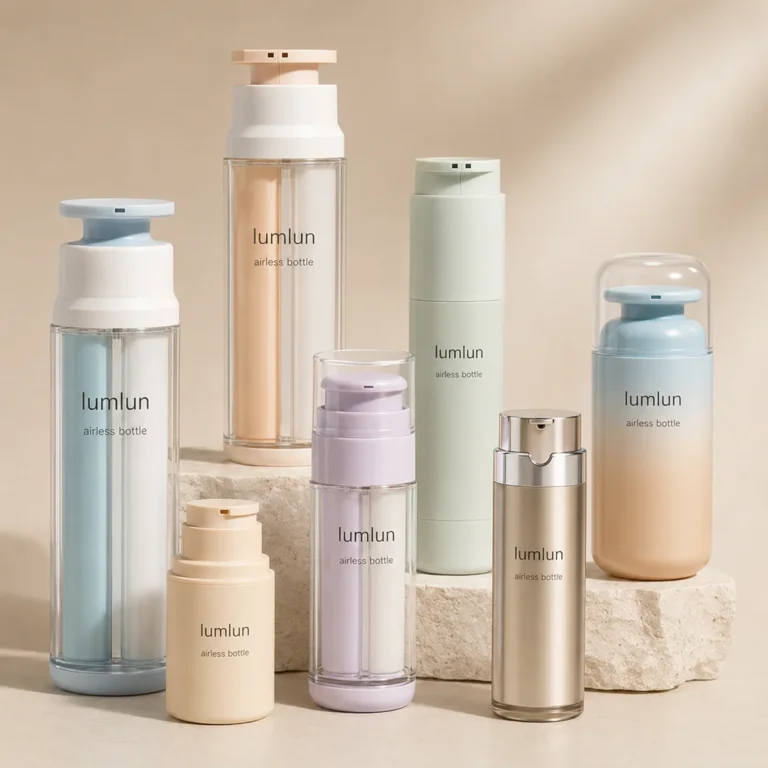
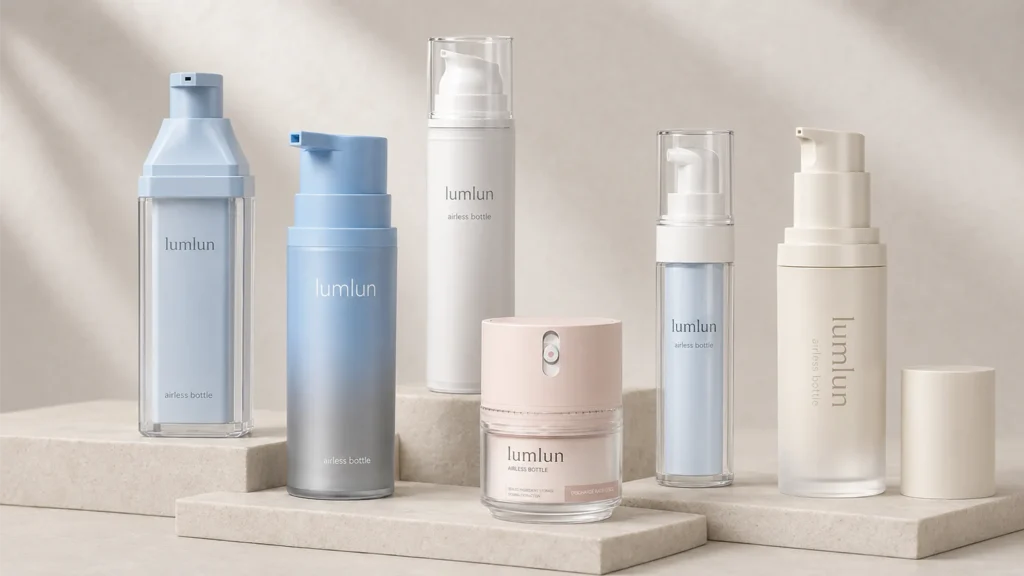
For example, PP/PCR airless pump bottles may fit brands that want airless performance with material options, while clear PP airless pump bottles may be useful when the brand wants a cleaner visual presentation for serum, lotion, or cream products.
For a simple daily-use product with a lower price point, a standard pump bottle, jar, or tube may be more practical. That does not make those options weaker. It means the packaging should match the product’s price, formula, sales channel, and customer expectation.
The best decision is not “airless or not airless.” The better question is: what packaging helps this specific skincare product sell its value most clearly?
| Product Situation | Airless Packaging Value | Better Packaging Direction |
|---|---|---|
| Active serum or high-value treatment | Supports formula protection and controlled dispensing | Airless bottle is worth considering |
| Premium lotion or emulsion | Cleaner daily-use experience and better premium perception | Airless or premium pump bottle can both be reviewed |
| Rich cream or jar-style product | May reduce finger contact and improve dispensing experience | Airless cream pump jar or traditional cream jar may both fit |
| Entry-level daily product | Airless may add more cost than the product needs | Standard pump bottle, tube, or jar may be more suitable |
How Does Airless Packaging Help Protect Skincare Formulas?
Airless packaging can help skincare brands present a stronger formula protection story, especially when the formula is positioned as active, premium, or sensitive to repeated exposure. The airless system dispenses product without a traditional dip tube and helps reduce repeated contact between the remaining formula and outside air during normal use.
This does not mean the package changes the formula itself or guarantees performance. The formula still needs to be developed, filled, and evaluated according to the brand’s own standards. The packaging role is different: it supports the product by creating a more controlled dispensing environment and a cleaner use experience.
For products such as active serums, treatment lotions, eye care, and premium creams, this packaging story can be useful. Customers are more likely to believe a product is carefully designed when the container also feels carefully chosen. A formula that claims to be advanced, targeted, or premium should be supported by packaging that feels aligned with that promise.
Formula protection also connects to material and structure choice. For brands reviewing different airless formats, airless bottle and jar options can be compared by product type, capacity, formula texture, and brand positioning.
Formula protection becomes a selling value when the customer can understand why the package supports the product promise. The packaging should make the product story easier to believe, not harder to explain.
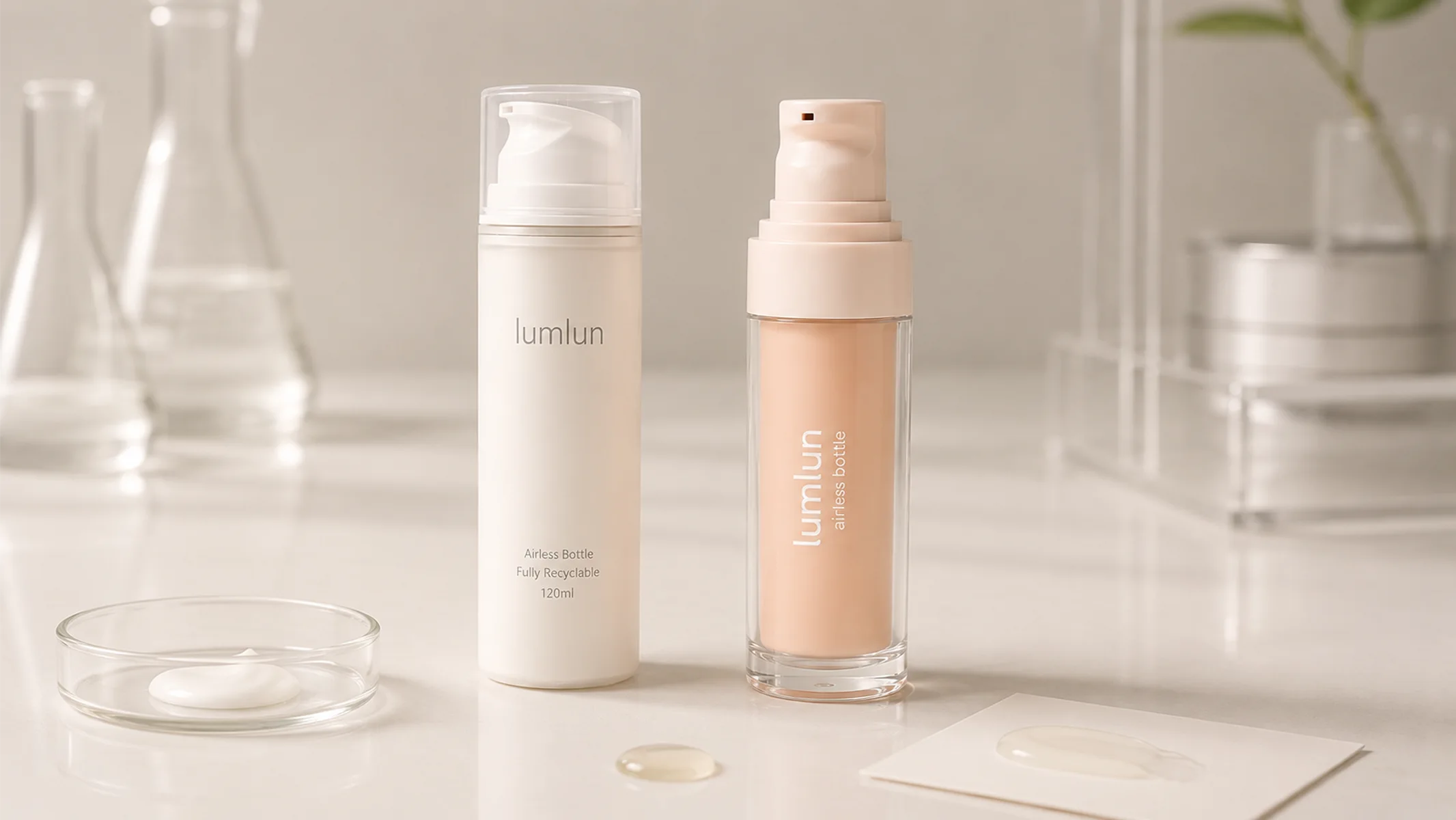
Can Airless Pump Bottles Reduce Residue and Product Waste?
Airless pump bottles may help reduce residue because the internal piston system pushes the formula upward as the product is used. This can help customers access more of the formula compared with some packages where product may remain on the bottom, shoulder, or wall of the container.
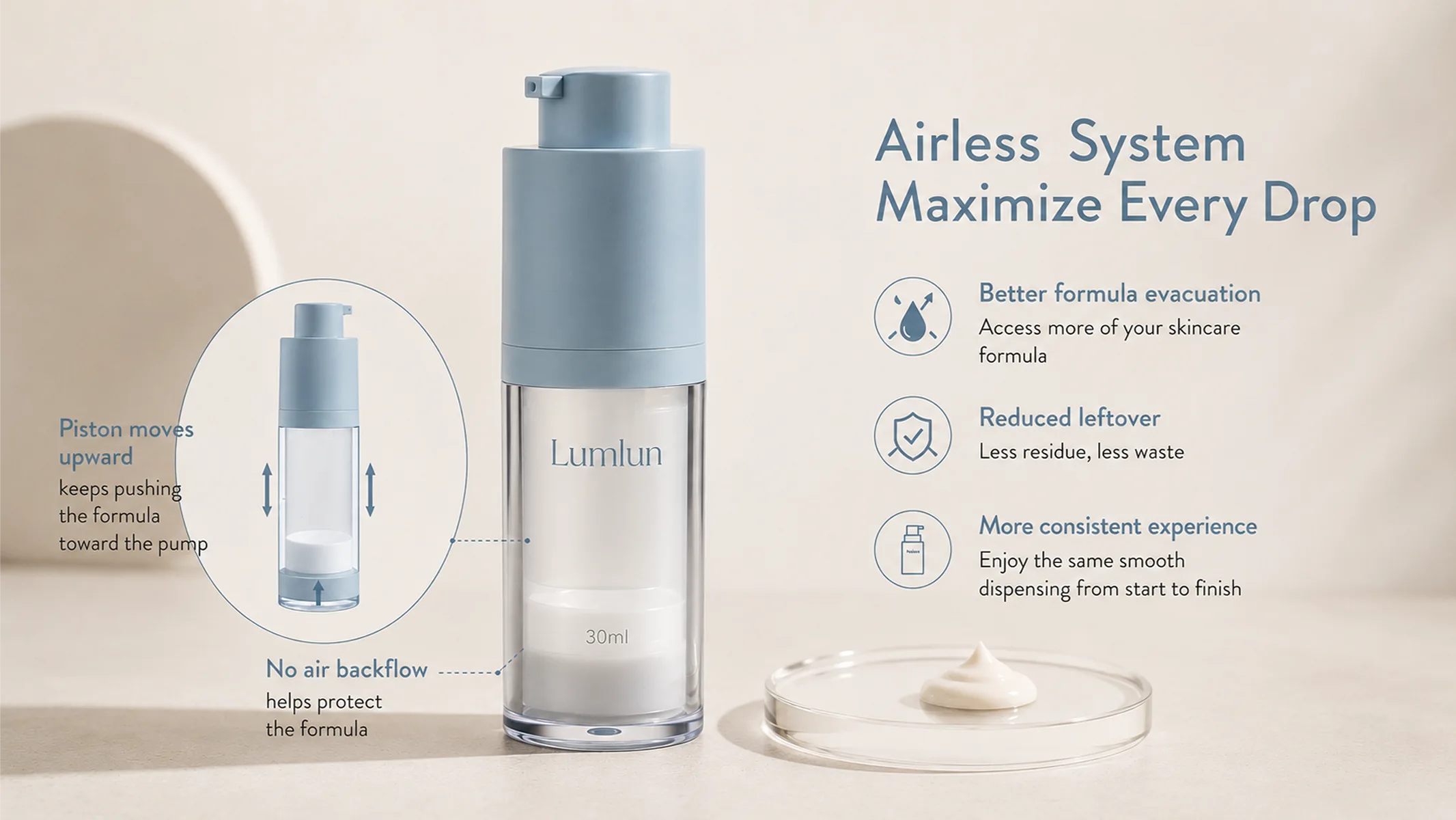
For skincare customers, this matters emotionally as much as technically. When a customer pays for a premium product but cannot easily use the last portion, the package can feel wasteful. If the product dispenses smoothly and uses more of the formula inside, the customer may feel the product is more honest, more complete, and better designed.
Reducing residue is not only a technical packaging benefit. It can also reduce customer frustration and support repeat-use satisfaction. A product that feels easier to finish can leave a better final impression than one that looks premium at first but feels wasteful near the end.
This is different from pump output. Pump output focuses on the amount dispensed per press and how it matches the formula texture. Residue and evacuation focus on whether the customer can access more of the formula over the full product life. Both affect experience, but they answer different questions. For deeper pump-output decisions, read LumLun’s article on skincare packaging pump output and formula compatibility.
The final result still depends on the formula texture, package model, filling process, and real-use conditions. LumLun can provide packaging samples and help narrow the most suitable airless options before the brand confirms the selected packaging with its own product requirements.
Customer experience value: When customers can use more of the formula they paid for, the package feels more valuable and less frustrating in daily use.
Not sure whether airless packaging is the right fit for your skincare product? Send your product type, capacity, formula direction, or reference image. LumLun can help narrow the packaging options before sampling.
Which Skincare Products Benefit Most from Airless Packaging?
Airless packaging is usually more valuable for skincare products where formula protection, controlled dispensing, residue reduction, and premium perception matter to the selling story. It is not limited to one formula type, but some product categories often have stronger reasons to consider it.
Serums are a common fit because many serum products are positioned around active ingredients, precision, and higher value per milliliter. A controlled dispensing system can help the product feel more intentional and easier to use.
Lotions and emulsions can also work well when the brand wants a cleaner, more premium daily-use experience. For a premium moisturizer or treatment lotion, airless packaging can help the product feel more refined than a basic bottle. Brands can also compare airless formats with custom lotion pump bottles when capacity, cost, and everyday dispensing are the main priorities.
Creams and eye care products may benefit when the brand wants to reduce finger contact and create a cleaner dispensing experience. In this case, airless cream pump jars or airless pump formats can be reviewed alongside custom cream jars, depending on the formula texture, brand style, and target price point.
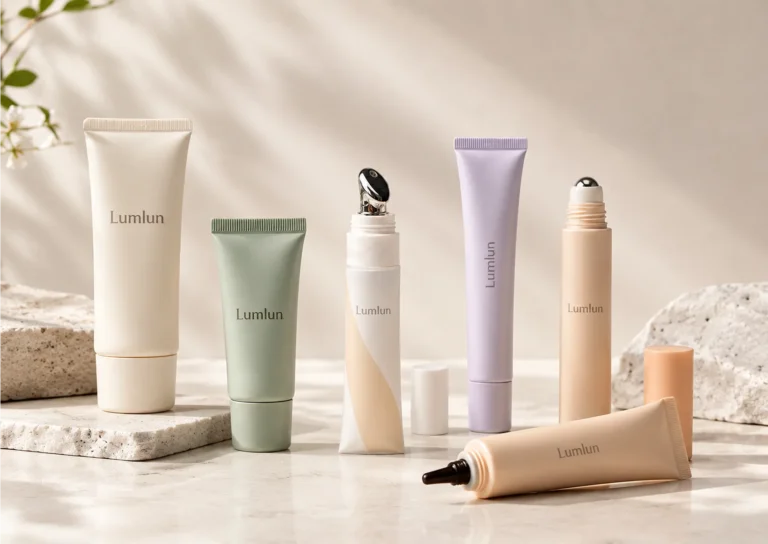
Airless packaging is also useful for product lines where the brand wants consistency across several SKUs. A serum, lotion, cream, and eye product can all use related airless formats while still keeping different capacities and product roles. For targeted eye care projects, LumLun also offers PE eye cream tubes with metal applicators when a cooling applicator experience is more suitable than a pump system.
| Skincare Product | Why Airless May Help | Packaging Direction to Review |
|---|---|---|
| Active serum | Formula protection story, controlled dispensing, premium value | custom airless pump bottles |
| Lotion or emulsion | Cleaner daily-use experience and better product control | airless pump bottle or lotion pump bottle |
| Treatment cream | Cleaner dispensing and less direct finger contact | airless cream pump jar or custom cream jar |
| Full premium line | Consistent experience across serum, lotion, cream, and eye care | coordinated airless packaging system |
When Could a Jar, Tube, or Standard Pump Bottle Be a Better Fit?
Airless packaging is not always the best fit, and that is important for skincare brands to understand. A good packaging supplier should not force every formula into one structure. The right choice depends on the formula, budget, brand positioning, target market, order plan, and the experience the brand wants customers to have.
A traditional cream jar may be suitable when the brand wants a classic, substantial, giftable cream experience. A custom cosmetic tube may be better for cleansers, hand creams, masks, sunscreens, and products that need flexible squeezing and easy portability. A standard lotion pump bottle may be the right choice for larger daily-use products where cost control, capacity, and simple dispensing matter more than airless structure.
For liquid products, PETG dropper bottles may support a glass-like visual direction for lightweight formulas, while fine mist spray bottles can fit toner, mist, or sprayable skincare products.
This does not make one format better or worse. It simply means each format solves a different packaging problem. Airless packaging is strongest when its structure supports the product’s value story. Other packaging formats can be stronger when the product needs a different cost structure, application habit, or visual language.
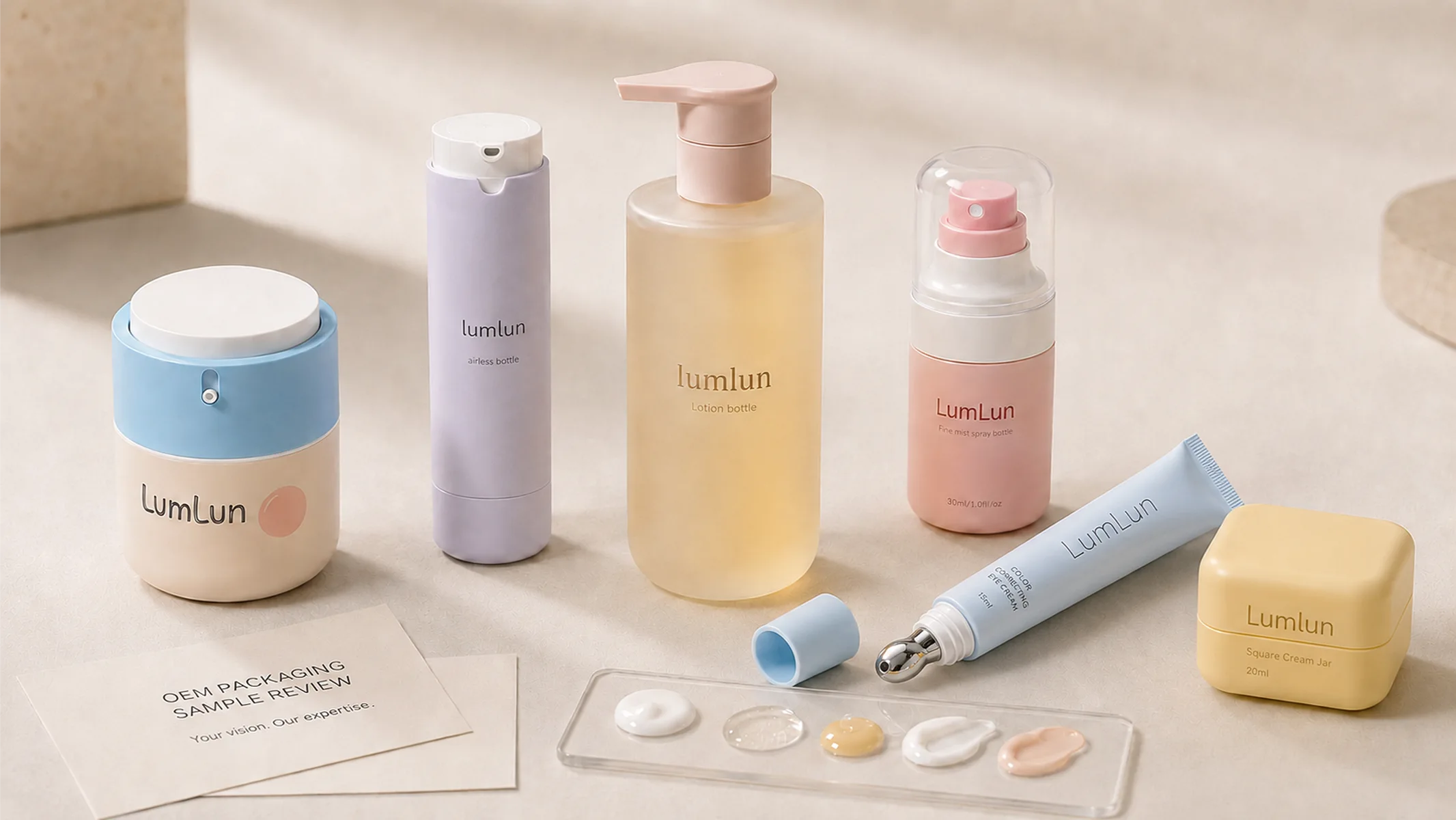
For LumLun, the goal is to help brands find the right OEM packaging direction. That may be an airless bottle, an airless cream pump jar, a lotion pump bottle, a cosmetic tube, a cream jar, a dropper bottle, or a fine mist spray bottle. The best option is the one that supports the formula, brand, and selling channel most clearly.
How Can Airless Packaging Make Skincare Products Feel More Premium?
Airless packaging can make skincare products feel more premium because it supports a cleaner, more controlled, and more professional product experience. Premium perception does not come only from decoration. It also comes from how the package behaves when the customer uses it.
A smooth pump, a clean actuator, a controlled dose, a stable cap, and a bottle that feels consistent with the formula value can all influence how customers judge the product. These details help the product feel less random and more intentionally designed.
For online brands, airless packaging can also improve the product’s visual story. A clean airless bottle in a product photo can communicate a more technical, hygienic, or premium skincare image before the customer reads the full product page. For retail or spa channels, the same packaging can help the product feel more serious and more suitable for higher-value positioning.
This section should not be confused with decoration choices such as matte, frosted, glossy, screen printing, labels, or hot stamping. Those finish decisions belong to a broader packaging finish strategy. Airless packaging adds premium value from the structure and use experience itself. For visual customization decisions, see LumLun’s article on cosmetic packaging finishes for skincare brands.
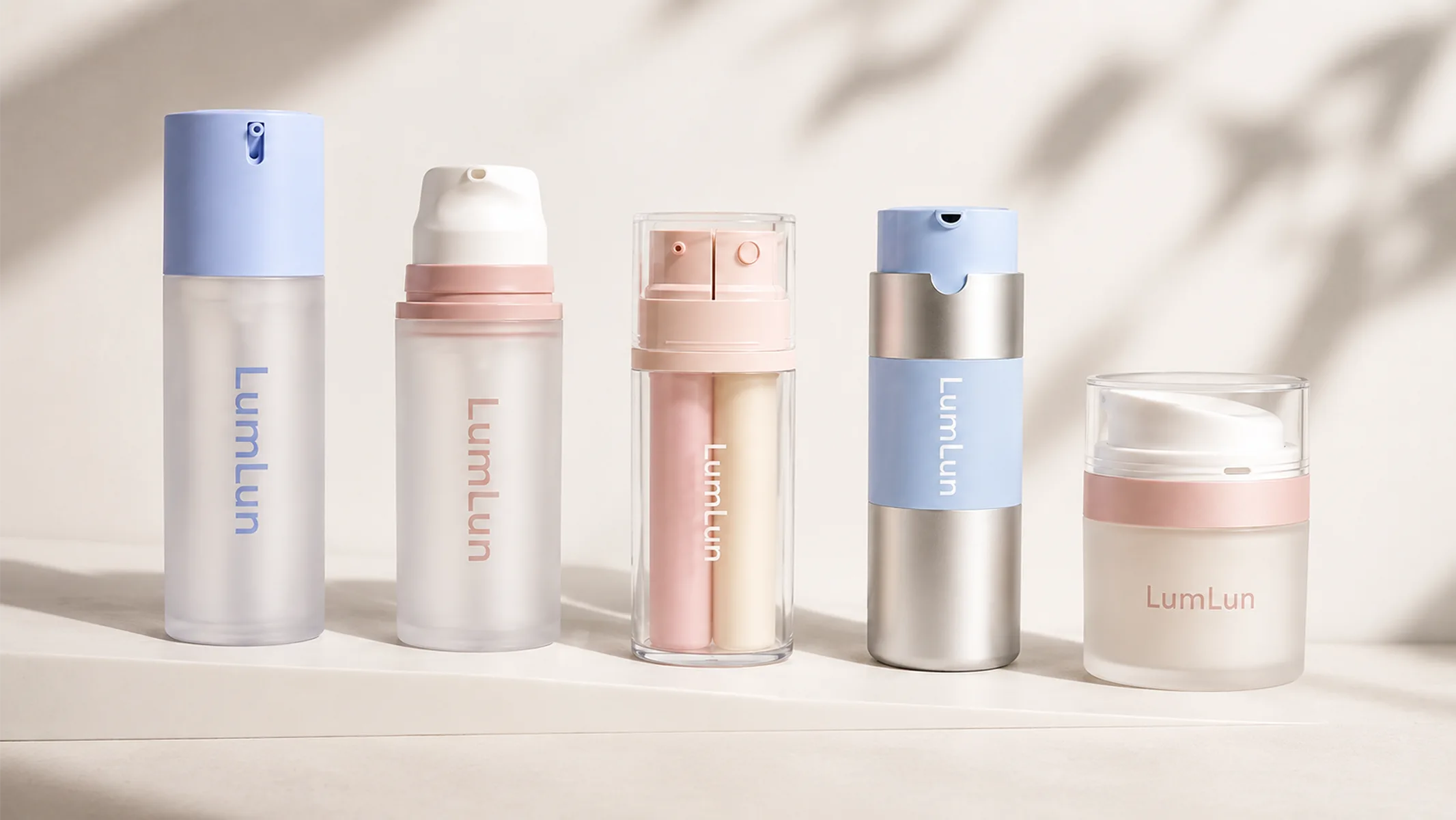
How Do Mono-PP, PCR, and Refillable Airless Options Support Different Brand Goals?
Once a skincare brand decides that airless packaging fits the product, the next question is which airless direction best supports the brand story. Mono-PP, PCR, and refillable airless options can all be useful, but they support different goals.
Mono-PP airless packaging is often considered when the brand wants a cleaner single-material story. By reducing mixed-material concerns in the package structure, it can make the packaging story easier to explain to buyers and consumers. The final recycling claim should still match the selected decoration, structure, and target market.
PCR airless packaging may fit brands that want to include recycled material in their packaging direction. It can support a sustainability-focused message without changing every part of the product experience.
Refillable airless packaging can support a longer-term brand relationship when the business model fits refill use. It may help brands encourage repeat purchase through replaceable inner components or refill systems, but the system should be easy for customers to understand and use.
These options should not be treated as better or worse. They are different packaging paths for different brand goals. If you are comparing sustainable airless directions more deeply, LumLun’s article on PCR, mono-material, and refillable airless packaging explains those choices in more detail.
For broader packaging strategy, brands can also review resources such as the Ellen MacArthur Foundation’s plastics and circular economy resources and the APR Design Guide for Plastics Recyclability when planning recycling-related packaging claims for specific markets.
How Can LumLun Support Your Airless Packaging Decision?
LumLun can help skincare brands narrow the packaging direction before sampling, without requiring a complete technical brief at the first contact. You can start with what you already have: a product type, target capacity, formula direction, reference image, brand style, or market plan.
For example, a brand developing a premium serum may want to review airless pump bottles, mono-PP airless options, or refillable airless systems. A brand developing a rich cream may compare traditional cream jars with airless cream pump jars. A brand working on a cleanser, hand cream, or mask may find that a cosmetic tube is more suitable than an airless bottle. The right answer depends on the product, not on a fixed template.
LumLun can provide packaging samples and OEM customization suggestions based on the project direction. The brand can then confirm suitability with its own formula, filling process, target market, and internal quality standards. This keeps the process practical and avoids choosing packaging only from photos or assumptions.
The most useful starting point is not a perfect packaging brief. It is a clear product direction. Once LumLun understands what the product is trying to sell, the packaging options can become easier to narrow.
Ready to Explore Airless or Other Skincare Packaging Options?
Airless packaging can be a strong choice when it helps a skincare brand protect the formula, reduce residue, improve the user experience, and support a more premium product image. But it is not the only choice. The right packaging direction should fit the product’s formula, price point, target market, order plan, and brand story.
If airless packaging is suitable, LumLun can help review airless pump bottles, airless cream pump jars, mono-PP airless options, PCR airless options, or refillable airless systems. If another format is more suitable, LumLun can also help review lotion pump bottles, cream jars, cosmetic tubes, dropper bottles, fine mist spray bottles, and other OEM skincare packaging options.
You can contact LumLun with a product idea, formula type, capacity, reference image, or brand direction. You do not need to prepare every detail before starting the conversation. The goal is to find packaging that helps your skincare product look right, feel right, and communicate its value more clearly.
Need help choosing airless packaging or another OEM skincare packaging option? Send what you already have — product type, capacity, formula direction, reference image, or target market — and LumLun can help narrow the best packaging direction before sampling.
Frequently Asked Questions
What are the benefits of airless packaging for skincare?
Airless packaging for skincare can help protect the formula story, reduce residue, create a cleaner dispensing experience, and support a more premium product image. It is often considered for serums, lotions, creams, eye care, and higher-value skincare products where packaging experience matters to customer trust.
Does airless packaging help skincare products sell better?
Airless packaging can help skincare products sell better when it makes the product value easier to see and trust. It can support a cleaner experience, a more premium impression, better residue control, and a stronger formula protection story. It does not sell the product by itself, but it can help the product feel more worth choosing.
Is airless packaging always better than jars or standard pump bottles?
No. Airless packaging is not always better; it is suitable when it fits the formula, price point, brand positioning, and customer experience goal. A cream jar, cosmetic tube, standard pump bottle, dropper bottle, or fine mist bottle may be more suitable for some products. The best packaging choice depends on what the brand needs the package to do.
Which skincare formulas are suitable for airless packaging?
Airless packaging is often considered for active serums, premium lotions, treatment creams, eye care products, and formulas where cleanliness, controlled dispensing, or reduced residue can improve the product experience. Final suitability should be confirmed with the brand’s own formula and selected packaging sample.
Can airless pump bottles reduce product waste?
Airless pump bottles may help reduce perceived waste by allowing customers to access more of the formula inside the package. The piston-style system can support better evacuation than some traditional containers, but the final result depends on formula texture, packaging model, filling, and real-use conditions.
When should a skincare brand choose mono-PP, PCR, or refillable airless packaging?
A skincare brand may choose mono-PP airless packaging for a clearer single-material story, PCR airless packaging for recycled material goals, or refillable airless packaging for repeat-purchase and long-term brand relationship strategies. These options support different brand goals, so the right choice depends on the product and market direction.
Can LumLun help if airless packaging is not the best fit?
Yes. LumLun can help review airless packaging as well as other OEM skincare packaging options. If a jar, tube, lotion pump bottle, dropper bottle, or fine mist bottle fits the formula and brand goal better, LumLun can help narrow those options too.