Choosing a Cosmetic Tube for Sunscreen, Creams & More
How To Guides

Choosing the Right Tube for Each Product — and What It Can Do for Your Brand

Which cosmetic tube fits sunscreen, eye cream, lip care, and more — and how the right tube for each helps your product sell better.

Published Feb 24, 2026 Updated Jul 22, 2026 15 min read
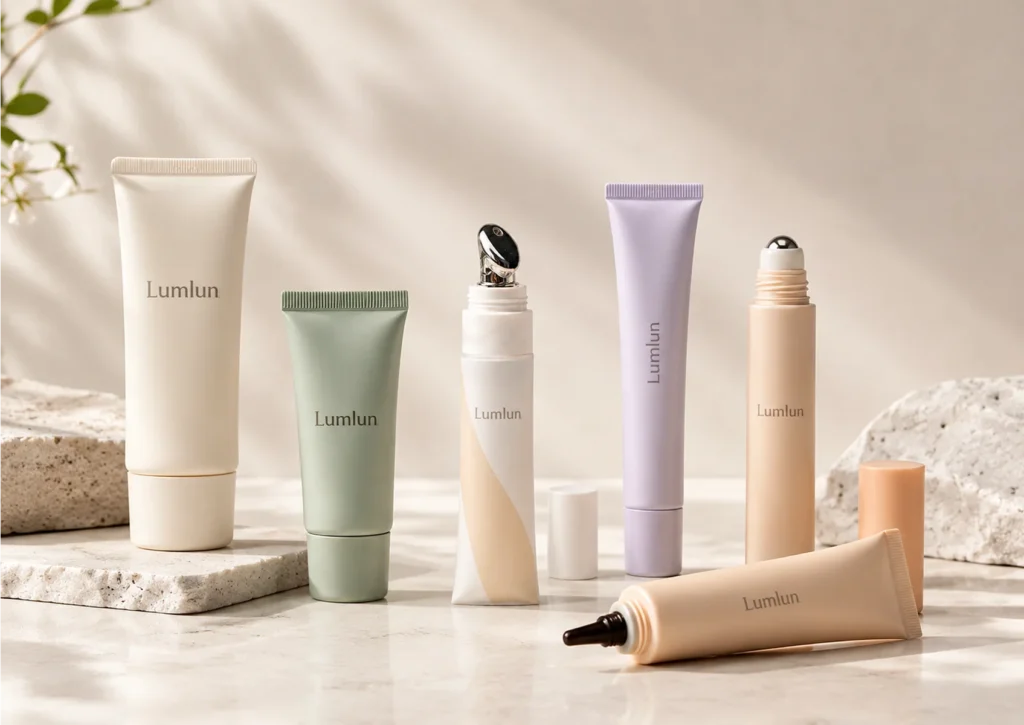
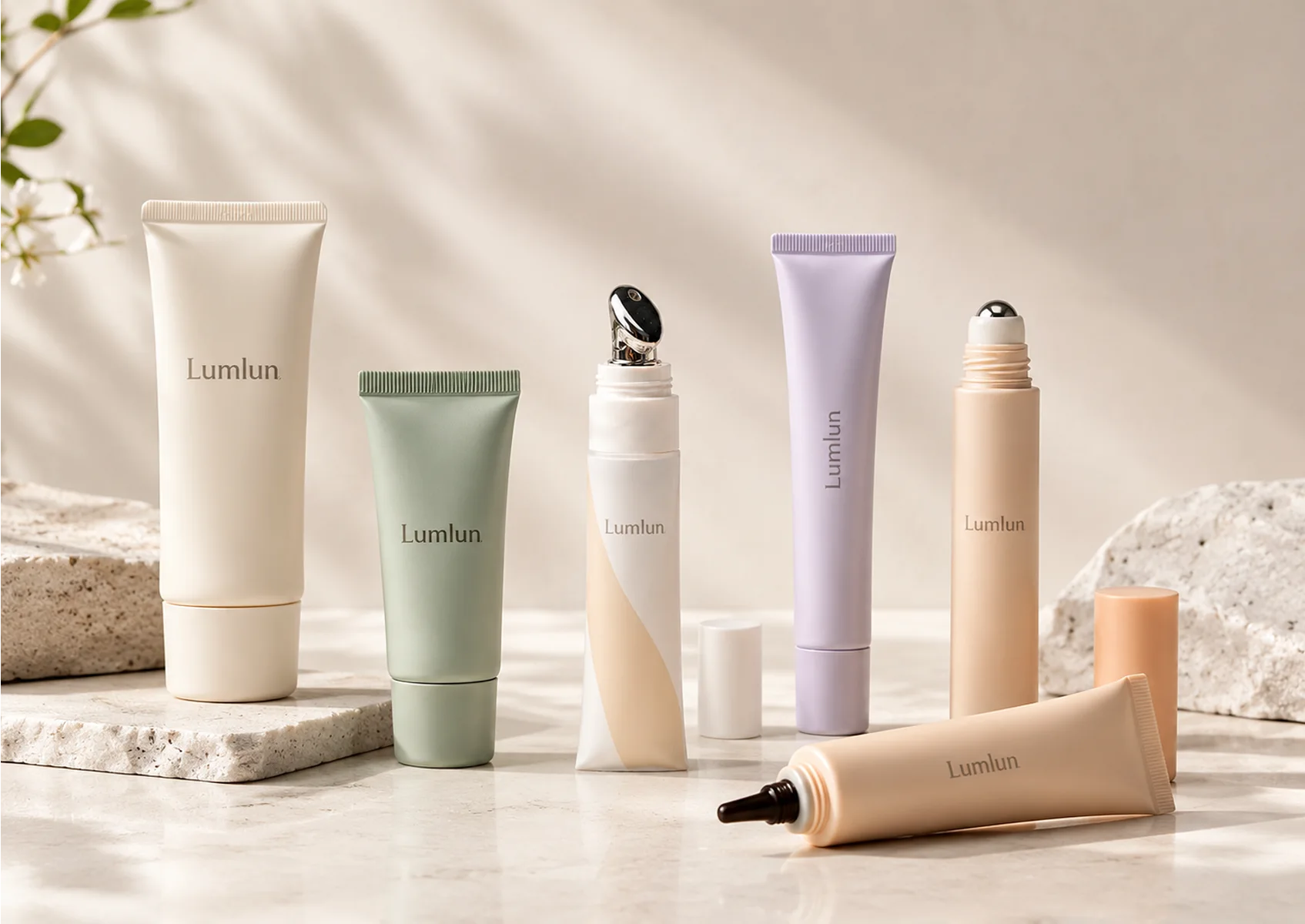
Six LumLun cosmetic tubes in different sizes, colors, and applicators including rollerball and metal tips for a skincare range
Different skincare products need different tubes, and the right match starts with how the product is used.

Key Takeaways

  • No single tube fits every product. Sunscreen, eye cream, lip balm, face cream, cleanser, body lotion, and more each call for a different size, cap, and applicator.
  • A sunscreen tube needs a one-hand flip-top and a reliable leak-resistant seal, because sunscreen is reapplied all day and travels in bags where a leak ruins the experience and your reviews.
  • An eye cream tube earns its price with a small format and a cooling metal applicator that depuffs, applies hygienically, and feels like a treatment, not a basic cream.
  • The right tube is what a shopper judges first, on a shelf or a phone screen, so matching it to the product is part of how your customer wins repeat buyers.
  • Matching the tube to each product protects the formula, improves the experience, and builds the kind of loyalty that grows a brand.

Last Updated: June 2026

You’ve found a tube you like, and it’s tempting to run it across your whole range, using the same tube and cap with different labels. It’s simpler, and it looks cheaper on a quote. But the tube that’s perfect for your face cream can be the wrong call for your sunscreen, and an afterthought for your eye serum.

Here’s the part that matters: the person who decides whether your product succeeds isn’t you, it’s the customer who buys it, uses it, and either reorders or doesn’t. A sunscreen gets grabbed with one sandy hand and reapplied all day. An eye cream is judged on how it feels the moment it touches the skin. A facial cleanser is reached for quickly, morning and night. When the tube fits how each product is actually used, the end customer has a better experience, leaves better reviews, and comes back, and that’s exactly what helps your brand sell more of it. This guide goes product by product through the skincare range, what tube each one really needs, and what the right choice does for the people who sell it and the people who use it.

Start With How the Product Is Used

The right tube for any skincare product comes down to three things: how thick the formula is, how the customer applies and carries it, and how it needs to look at its price point. Before going product by product, here’s the quick version side by side.

Product Typical size Cap / applicator What the customer needs
Sunscreen 30–60ml Flip-top Fast one-hand reapply; no leaks in a bag
Eye cream 15ml or less Metal tip or rollerball A precise, cooling, hygienic application
Lip balm / lip care 10ml or less Slanted tip or nozzle Small, portable, hygienic, no fingers
Face cream / moisturizer 30–50ml Flip-top or screw Easy dispensing of a thicker formula
Facial cleanser 100–150ml Flip-top or disc-top Easy to open daily; dispenses a controlled amount
Body lotion / hand cream 50–250ml Flip-top (or small screw cap) Generous size, or pocket-size to carry
BB / CC cream, foundation 15–30ml Nozzle or pump tip A controlled, precise dose
Mask / scrub 50–100ml Flip-top or screw A wide opening for a thick texture

The same logic carries to neck cream, foot cream, hair masks, and any other product in your line. Match the tube to how the product is used and where it’s sold, and everything else falls into place. Here’s the detail on the ones brands ask about most.

Sunscreen: Built for Fast, Repeated, Mess-Free Use

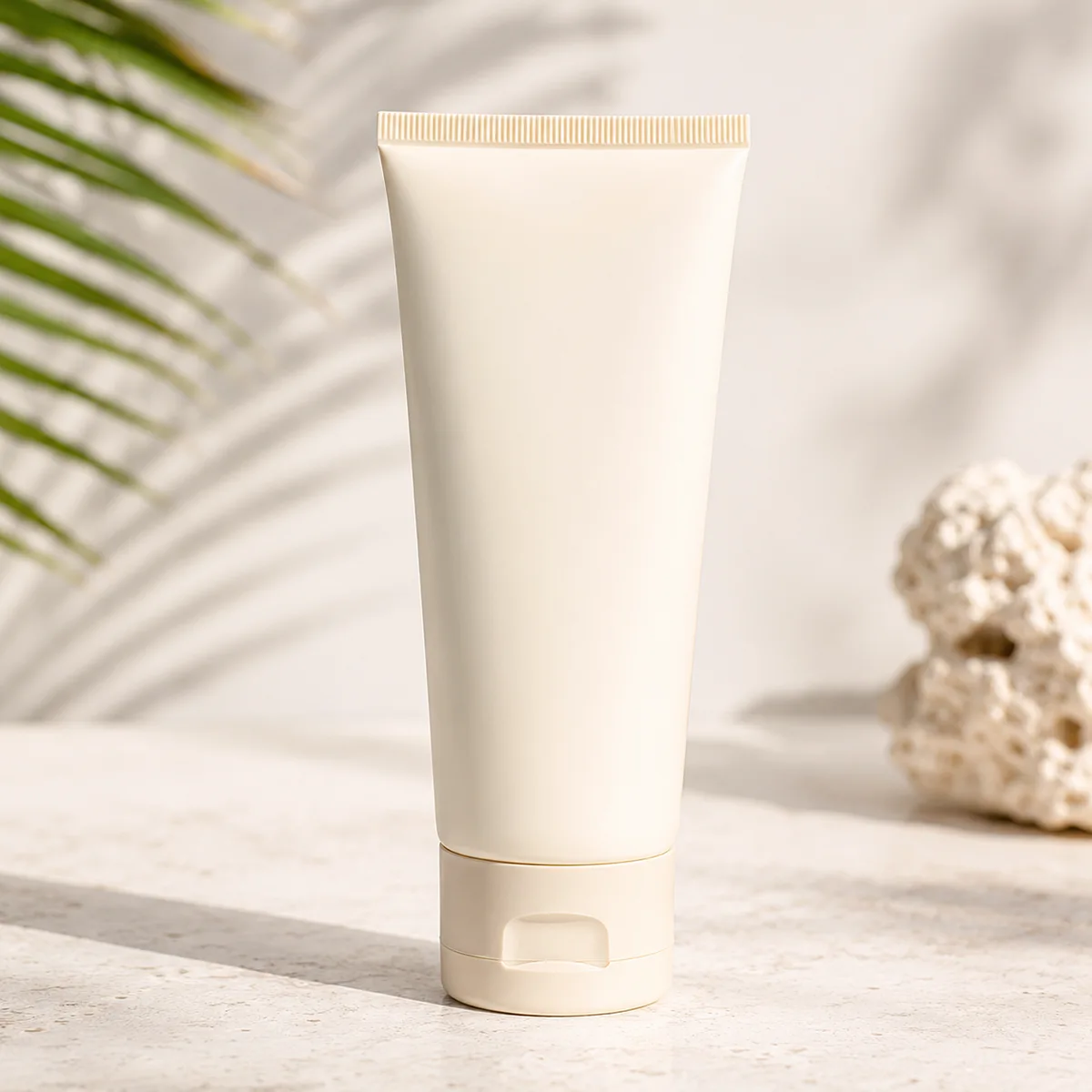
A sunscreen tube needs a one-hand flip-top cap and a genuinely leak-resistant seal, because sunscreen only works when it’s reapplied often, and it spends its life in beach bags, gym bags, and glove boxes where a leak turns into a complaint. This is the product where the cap quietly decides whether you get a five-star review or a one-star one.

Cream-colored sunscreen squeeze tube with a flip-top cap on a sandy beach-style background with palm shadow
A one-hand flip-top suits sunscreen, which gets reapplied on the go all day.

Think about how the end customer actually lives with a sunscreen, because that’s where the design choices come from:

  • A flip-top cap, not a screw cap. Proper sun protection means reapplying through the day, often one-handed at the beach or in the car. A flip-top opens with a thumb and snaps shut; a screw cap gets set down, lost, or left off. When reapplying is effortless, customers actually do it, the product performs the way it promises, and that earns the trust and the repeat purchase your brand depends on.
  • A reliable leak-resistant seal. A sunscreen that leaks into a bag and ruins a wallet or a white dress is one of the most common complaints in the category. A secure seal protects the customer’s day, which protects your reviews and cuts the damaged-product claims that eat into a brand’s margin.
  • A clear front for branding and required information. Sun care lives on a crowded shelf and a busy phone screen, where shoppers decide in seconds. A clean layout that carries your branding and the information customers expect helps your product get noticed and picked up, in-store and online.

Get these right and the sunscreen does its job, gets reapplied, and comes back into the cart. That’s the quiet difference between a sunscreen that sells once and one that builds a loyal following.

Eye Cream: A Small Tube That Feels Like a Treatment

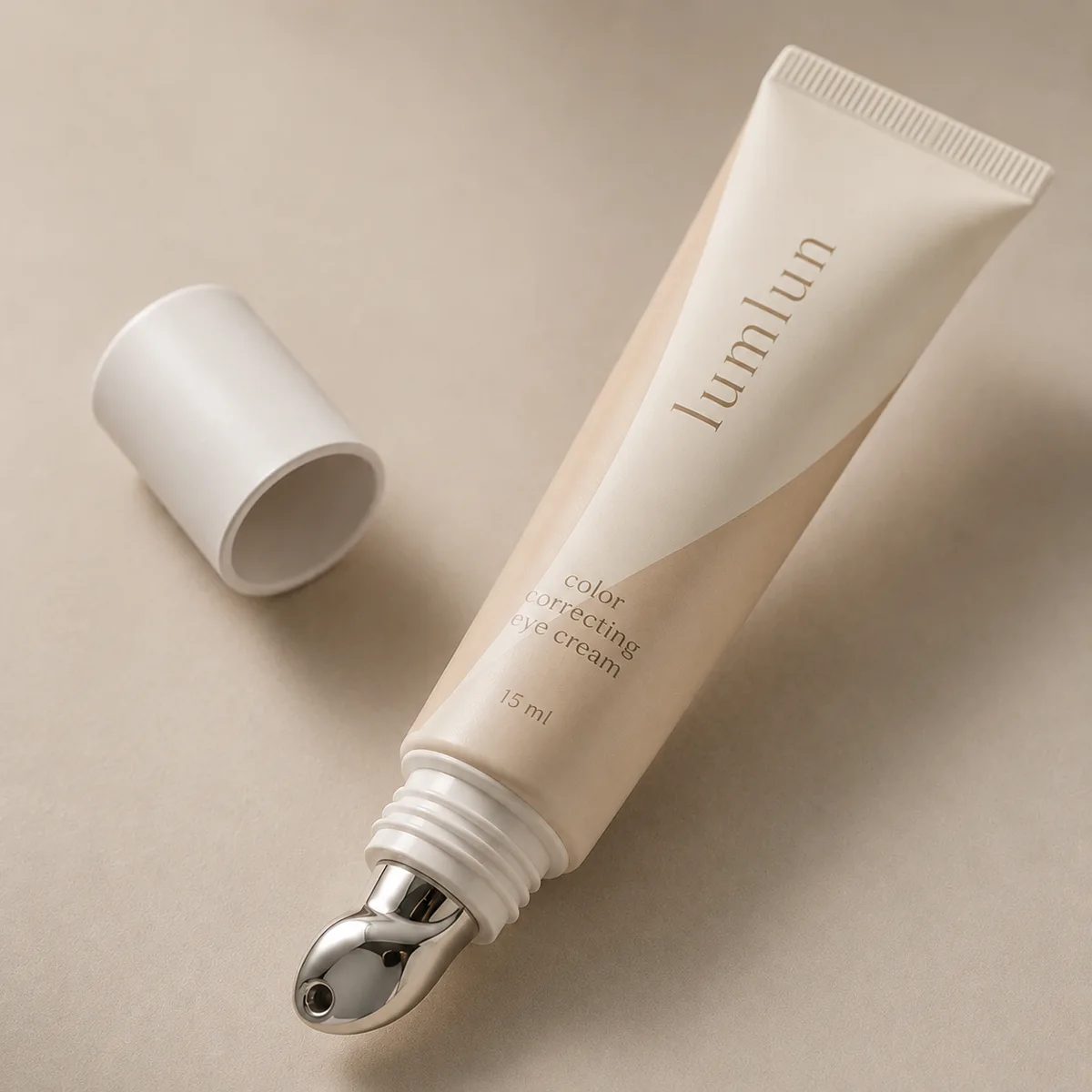
An eye cream sells best in a small tube, usually 15ml or under, paired with a cooling metal or rollerball applicator, because the under-eye area is delicate and customers judge an eye cream on how it feels the instant it touches the skin. Here the applicator isn’t a finishing touch, it’s a core part of why someone pays more for the product.

LumLun 15ml eye cream tube with a silver metal rollerball applicator and cap shown beside it
A small tube with a cooling metal applicator gives an eye cream its precise dose and treatment-like feel.

This is worth understanding in detail, because it’s where a thoughtful packaging choice does real work for the brand:

  • Why metal, not plain plastic. A standard hard-plastic tip carries a tiny molding seam that can drag on the thin, sensitive under-eye skin. A metal tip is smooth and stays naturally cool, and that coolness is the point: it gently constricts blood vessels and, with a light rolling motion, helps reduce morning puffiness and the look of dark circles. The customer feels an immediate, visible benefit, and that felt result is what turns a first jar into a repurchase.
  • A small, precise format. Eye cream is used a rice-grain at a time, so a 15ml or smaller tube matches real usage and feels appropriately precious. A fine metal or rollerball tip doses exactly that little, which means no waste and no fingers in the product, so it stays hygienic to the last use.
  • A finish that reads as premium. An eye cream sits at the higher end of a routine, and the tube should say so. A cooling applicator and a soft-touch or refined finish make the product feel like a treatment rather than a basic moisturizer, which is exactly what lets a brand position it at a premium and hold that price on the shelf.

The cooling metal tip is a good example of how the right detail serves everyone in the chain: the customer gets a genuine depuffing ritual they enjoy, and the brand gets a product that feels worth more, photographs beautifully for social, and earns loyal repeat buyers. A soft, non-cooling silicone tip works nicely for thicker lip products, but for the under-eye it’s the cool metal that delivers the experience customers are paying for.

Building a full range and not sure which tube fits each product? Tell us what you’re launching, and we’ll match the right size, cap, and applicator to each one, with free samples so you can feel the difference before you commit.

Request a Free SampleWhatsApp

Lip Balm and Lip Care: Small, Hygienic, and Made to Carry

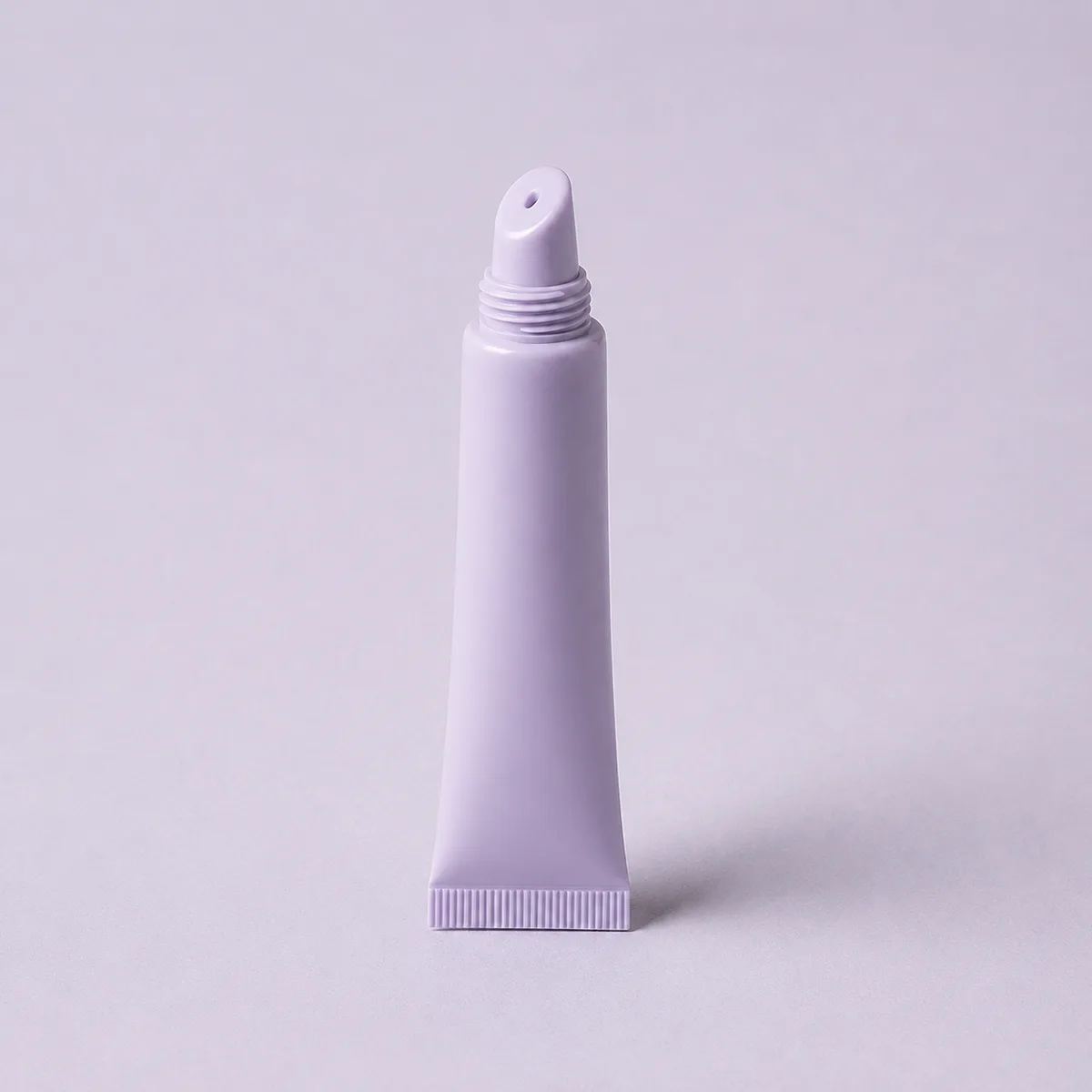
A lip balm tube works best small, usually 10ml or under, with a slanted tip or fine nozzle that applies straight to the lips without fingers. It’s a little product, but the format quietly decides how often a customer reaches for it, and how often they buy another.

Small lip balm squeeze tube with a slanted applicator tip for hygienic on-the-go lip care
A small lip balm tube with a slanted tip applies straight to the lips, no fingers needed.

What matters here, and why it pays off down the line:

  • A small, portable size. Lip care lives in a pocket or purse and gets reapplied all day. A slim, compact tube fits that habit, and a product that travels easily is one that gets used constantly, stays top of mind, and gets repurchased when it runs out.
  • A shaped applicator tip. A slanted or angled tip lets customers apply straight to the lips, no fingers, which feels cleaner and more pleasant. That hygienic, effortless experience is what turns a first try into a daily habit, and a habit is what reorders are made of.
  • A look that performs on camera. Lip products are among the most photographed and impulse-bought items in beauty. A tube that looks good in the hand and on screen earns the organic social attention that brings new customers to a brand at no media cost.

Face Cream and Moisturizer: Where the Finish Sets the Tone

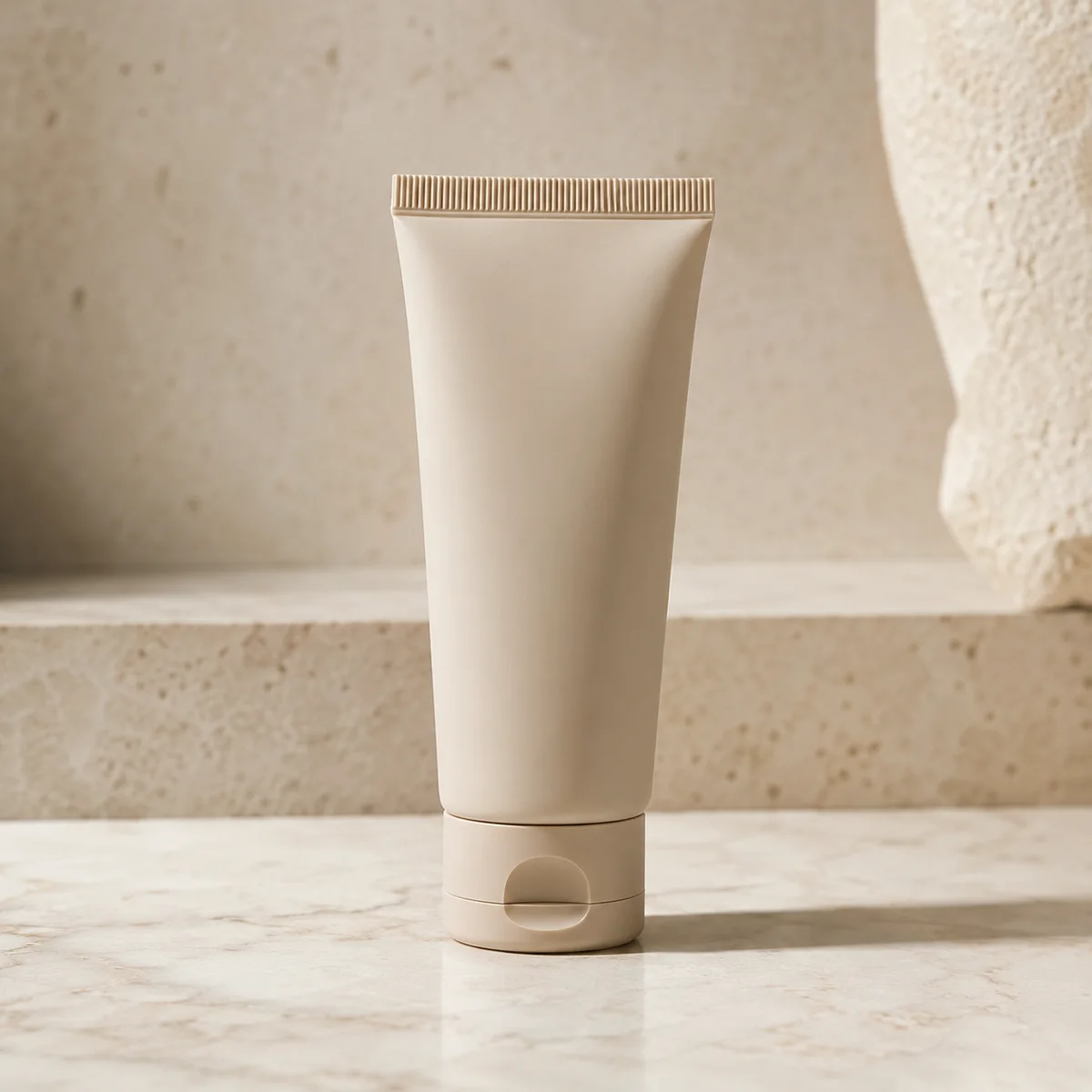
A face cream suits a standard 30–50ml tube with a wider opening for the thicker formula, and this is the product where the surface finish does the most to signal where your brand sits. It’s the most familiar tube in skincare, which means the finish is what makes it unmistakably yours.

Face cream moisturizer squeeze tube with a soft-touch matte finish showing a premium skincare look
A soft-touch matte or refined finish is what makes a face cream tube feel premium on the shelf.

The essentials, and what they do for the brand that sells it:

  • A wider opening for a thicker texture. Creams and moisturizers are richer than serums, so they need a larger orifice to dispense cleanly without the customer wrestling the tube. A smooth, clean dispense is a small daily satisfaction, and small daily satisfactions are what quietly build loyalty to a product.
  • A size that feels like fair value. 30–50ml is the format shoppers associate with a face cream, and sizing it to last a sensible stretch of daily use reads as honest value, which keeps customers comfortable reordering at full price.
  • A finish that signals your tier. This is the lever that matters most. A soft-touch matte, a pearlized sheen, or a clean high-gloss is the difference between a cream that feels everyday and one that feels considered and premium. The finish shapes what a customer expects to pay before they’ve read a word, on the shelf and in an unboxing video, so it directly supports the price your brand wants to hold.

Facial Cleanser: A Larger Tube for Daily Use

A facial cleanser suits a larger tube, usually 100–150ml, with a flip-top or disc-top cap that’s easy to open and dispenses a controlled amount. It’s a high-use, high-repurchase product used every day, so the everyday ease of using it is what keeps a customer loyal to your brand instead of trying the next one.

What to prioritise, and why it matters:

  • A generous capacity. A facial cleanser is used twice a day, so a 100–150ml tube matches how fast it disappears and gives a sense of value. The right size sets a predictable repurchase rhythm, which is steady, reliable revenue for the brand.
  • An easy-open, controlled cap. A cleanser is reached for quickly as part of a daily routine, so a flip-top or disc-top that opens one-handed and dispenses a measured amount makes it effortless to use. An effortless routine is one customers happily stick with day after day.
  • Decoration that survives the bathroom. A cleanser tube lives by the basin and gets squeezed and handled daily. Printing and finish that hold up keep it looking quality to the last use, which protects the premium impression a brand is working to maintain.

What the Right Tube Does Across the Whole Chain

Matching the right tube to each product does more than make it work, it gives the end customer a better experience, and that experience is what earns a brand more orders, more repeat buyers, and a stronger place in the market. This is the real return, and it’s worth seeing how it flows from the person using the product back to the brand selling it.

  • A better experience for the customer means better reviews for the brand. When a sunscreen reapplies cleanly, an eye cream feels cooling, and a cleanser opens easily every day, customers notice, and they say so. Good reviews and word of mouth are what turn a new product into a trusted one.
  • Products that look right get chosen more often. Shoppers now decide across shelves, online listings, and social feeds, usually in seconds. A tube that fits the product and looks sharp wins that split-second in every channel, which means more reach, more customers, and more orders for the brand.
  • The right format and finish support the price. When a product feels worth what it costs, customers pay it without hesitation, and that protects the margin a brand needs to grow.
  • A consistent, well-matched range builds the brand itself. When every product in a line is packaged thoughtfully, the range feels considered and trustworthy, so a customer who buys one product reaches for the next, and stays. That loyalty is what compounds into a real brand.

Seen this way, choosing the right tube for each product isn’t a packaging detail, it’s a quiet investment in how much, how often, and at what price the brand’s products sell. That’s why it’s worth doing properly, product by product, rather than forcing one tube to do every job.

Customizing and Ordering Tubes for Your Skincare Range

Once a tube is matched to each product, you make the range your own through custom color, printing, and finish, and confirm everything with a sample before bulk, on a typical timeline of around 12–15 working days for sampling and 30–40 days for production. This is where a set of separate products starts to look and feel like one brand.

What’s worth keeping in mind across a multi-product line:

  • Keep the look consistent across products. A shared color palette and finish across your sunscreen, cream, cleanser, and the rest makes the range read as one brand, which strengthens recognition on the shelf and encourages customers to buy across the line.
  • Sample and test each product. Different formulas behave differently, so it’s worth confirming fit, finish, and compatibility with a sample of each before committing to bulk. It protects your investment and your launch.
  • Confirm the practical details up front. Each tube size, cap, and applicator can carry its own minimum order, so sharing your full range early gets you the real minimums and timeline before you plan the launch.

LumLun, a B2B OEM cosmetic packaging manufacturer working with skincare brands across 27 countries, approaches a range the way a brand owner has to: product by product, with the end customer in mind. That tends to show up in the small things that make a launch smoother:

  • Free samples shipped within 48 hours, so you can feel each option before deciding.
  • Replies within 2 hours, so building out a full range doesn’t stall waiting on answers.
  • Guidance across the whole line, matching the right tube to each product rather than pushing one tube to cover every job.

One honest note, because the right packaging depends on the product: if a formula relies on ingredients that lose effectiveness once exposed to air, even the right squeeze tube may not protect it as fully as a sealed format. For those, a 5-layer tube with an EVOH barrier layer helps, and for the most sensitive formulas an airless option protects them better. If you’re still weighing the basics of material, cap, and size, our guide on how to choose a cosmetic tube covers the full decision, and our sustainable tube guide compares PE, PCR, and sugarcane if a green claim matters to your brand, with recycled-content standards set by bodies like the Association of Plastic Recyclers.

Building your skincare range?

Tell us what you’re launching, and we’ll match the right tube, cap, applicator, and finish to each product, with free samples shipped in 48 hours.

Contact UsWhatsApp

Frequently Asked Questions

What kind of tube is best for sunscreen?

A tube with a one-hand flip-top cap and a reliable leak-resistant seal. Sunscreen is reapplied often and usually one-handed, so a flip-top beats a screw cap that gets left off or lost. A secure seal keeps it from leaking in a beach or gym bag, which is one of the most common complaints in the category. Get both right and customers reapply properly, get the protection they expect, and come back for more.

Why do eye creams use a metal applicator instead of plastic?

Because metal stays cool and applies more gently than plastic. A hard-plastic tip has a tiny molding seam that can drag on delicate under-eye skin, while a smooth metal tip stays naturally cool, which helps reduce puffiness and dark circles with a light rolling motion. It also keeps fingers out of the product. That cooling, hygienic feel is a real benefit customers notice, and it helps an eye cream justify a premium position.

Can I use the same tube for my whole skincare range?

You can, but it usually costs you in fit and sales. Each product is used differently: sunscreen needs a fast flip-top, eye cream needs a precise cooling applicator, and a facial cleanser needs a larger, easy-open cap. Matching the tube to each product gives customers a better experience and helps each one sell. You can still keep a consistent color and finish across the range so it clearly reads as one brand.

What tube size should I choose for a face cream?

Most face creams work best at 30–50ml with a wider opening for the thicker formula. That size is what shoppers associate with a moisturizer, and sizing it to last a sensible stretch of daily use reads as fair value. The surface finish matters most here: a soft-touch matte or clean gloss is what makes the cream feel premium and supports the price you want to hold.

Which products shouldn’t go in a standard squeeze tube?

Products built around air-sensitive ingredients may need more than a standard tube. If a formula loses effectiveness once exposed to air, a 5-layer tube with an EVOH barrier layer helps, and for the most sensitive formulas an airless format protects them better. For most everyday skincare, including creams, cleansers, sunscreens, lip and eye care, a well-matched squeeze tube is an excellent fit.

Technical Review Note

This guide is reviewed against LumLun’s current packaging project experience. Model suitability, material documentation, dispensing performance, and formula compatibility remain specific to the selected packaging and project.

Relevant Packaging Direction

Compare Cosmetic Tube Options

Review actual models first, then confirm capacity, material, dispensing components, decoration, order quantity, and formula compatibility for the selected packaging.

View Cosmetic Tube
Packaging Project Support

Make Your Packaging Feel Unmistakably Yours

Bring your packaging vision to life through the right structure, color, finish, and branding details—creating a look that feels true to your brand and gives customers more reason to notice, remember, and choose it.

Distinctive packaging. Stronger brand recognition. More memorable product experiences.
Chat on WhatsApp