Airless packaging makes sense when its dispensing structure solves a real packaging need for the skincare product. The useful decision is not whether Airless is more advanced than a jar, tube, dropper or standard pump. It is whether an Airless bottle or jar gives the product the dispensing action, product access and package format the project needs.
For B2B packaging selection, that decision should stay practical. Airless can reduce repeated direct finger contact with the formula and, in common piston systems, move product upward without a traditional dip tube. The final dispensing behavior, residue and compatibility still depend on the selected package and the actual product.
When Airless Packaging Fits a Skincare Product
Airless is a useful starting option when the product is meant to be dispensed by a pump and the brand wants a more enclosed package than an open jar. Serums, lotions, emulsions, treatment products and some creams are common candidates because these formats can work naturally with controlled pump dispensing.
The strongest reason to choose Airless is the package function, not a marketing claim. If a product needs a measured press, reduced direct contact during use, or a bottle that moves product upward as it is dispensed, Airless may be worth comparing. If the intended application is spray, drop-by-drop, squeeze or scoop, another packaging family may be the more natural starting point.
Airless by itself is not proof of formula stability, shelf life or complete product evacuation. Those results depend on the formula, pump, package geometry, filling and project-specific evaluation. Treating Airless as a packaging system rather than a promise keeps the decision accurate.
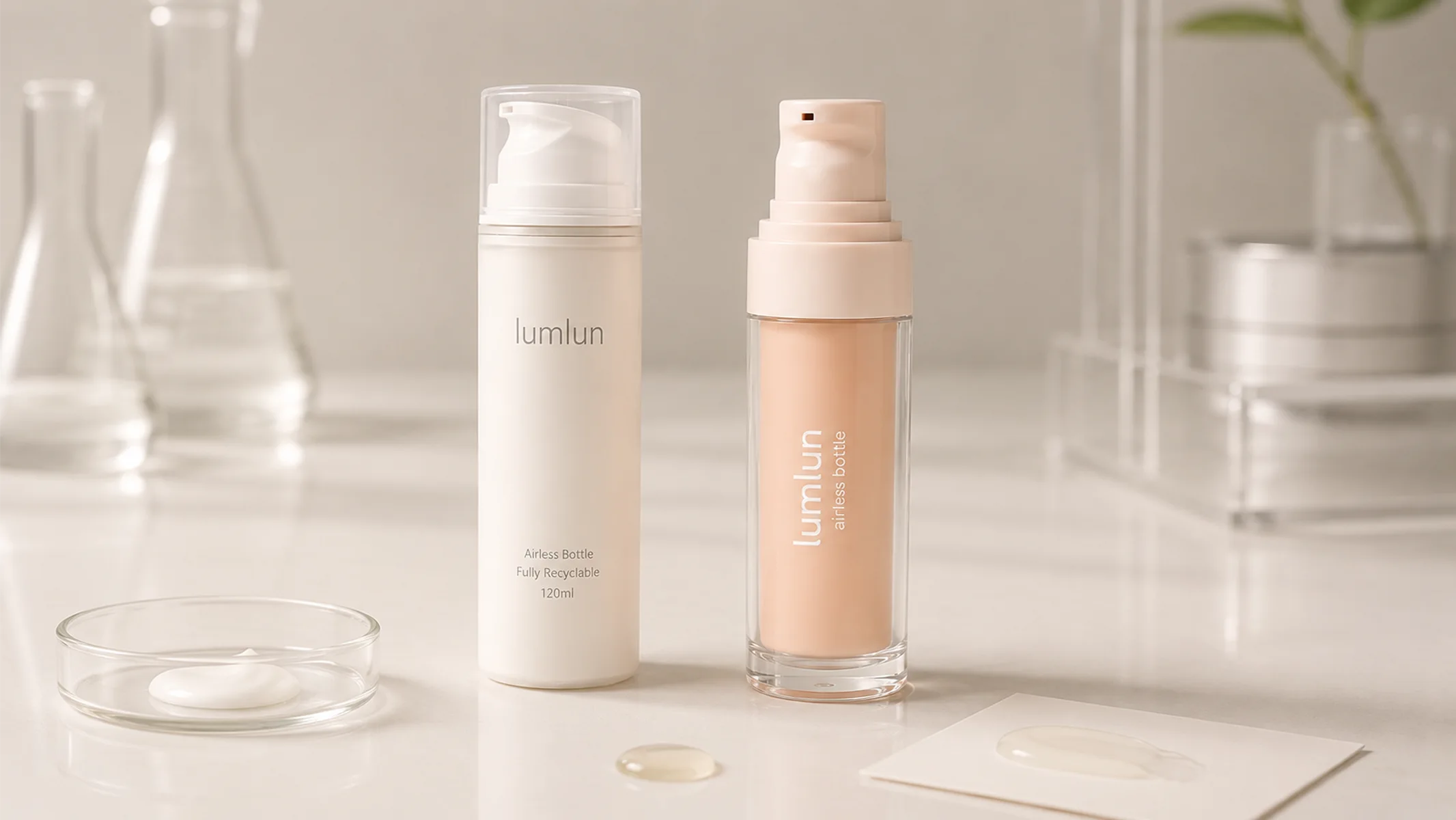
The product category alone is not enough to make the decision. A serum that is intended to be dispensed in a small pump dose may be a natural Airless candidate, while a very fluid product designed to mist is pointing toward a sprayer even if both sit in the facial-care category. A cream may work in an Airless bottle, an Airless pump jar or a conventional jar depending on the desired dispensing action and package format.
Capacity matters too, but as a secondary filter. The same Airless principle can appear in compact treatment sizes and larger lotion formats, while the available model, pump and outer structure change with the capacity. This is why “Airless” should be treated as a packaging family first and a specific bottle second.
A second useful signal is how the product should remain presented during use. With a common piston-based Airless bottle, the product path is designed around pumping rather than repeatedly opening the main reservoir. For a product that is already intended to be pressed from a closed package, that structure can be a natural fit. For a product where the customer is expected to see, pour, scoop or spray the formula directly, another package can communicate the use more clearly.
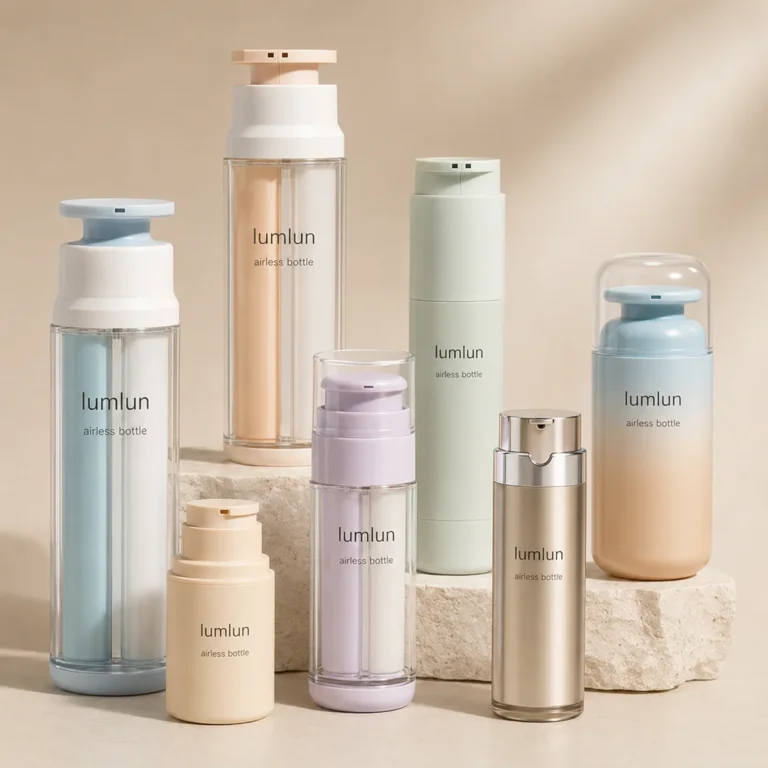
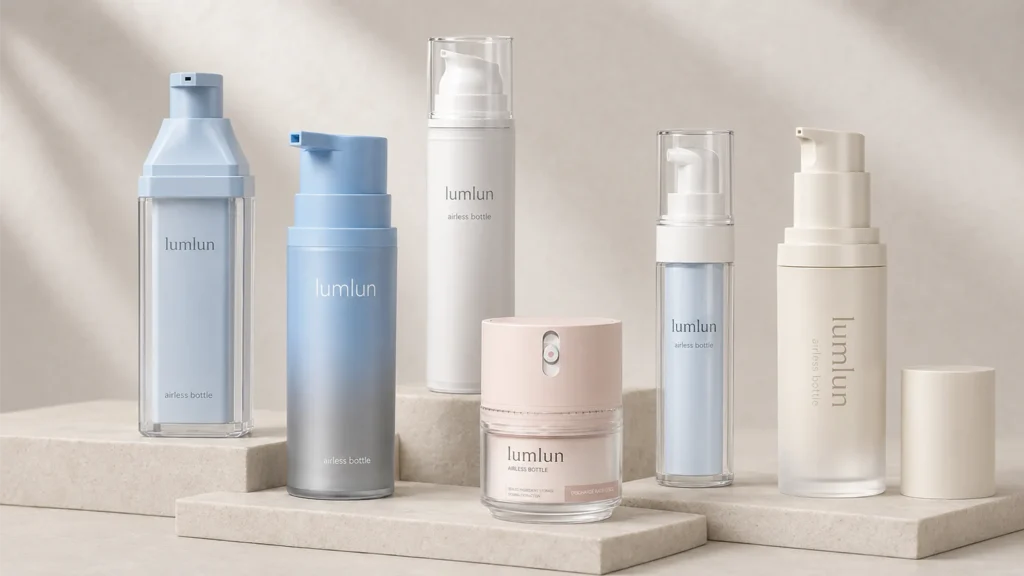
There is also no single “Airless look.” The same basic packaging family includes opaque PP bottles, clear outer-body bottles, pump jars and replaceable-inner structures. This is helpful because the functional decision can be made without forcing every product into the same visual style.
Reduce repeated air exposure. Airless is especially worth comparing when the packaging needs to reduce repeated exposure of the remaining formula to outside air. Many Airless systems dispense through a rising piston, pouch or bag-in-bottle structure rather than the same headspace-and-dip-tube route used by a conventional pump bottle. If a finished formula is known to be sensitive to oxidation or repeated air exposure, reducing that exposure can support the packaging strategy. It still does not prove shelf life, stability or retained efficacy on its own; those belong to the finished formula-and-package system.
Reduce direct handling of the remaining formula. A pump package lets the user dispense product without putting fingers into the bulk formula in the way an open-mouth jar may require. That can reduce direct handling of the remaining product during normal use. It should not be described as sterile or contamination-proof, but for projects where repeated finger contact is undesirable, the closed pump route can be a meaningful advantage.
Make more of the fill accessible. Product evacuation matters especially when the formula is costly or when visible residue would create a poor use experience. In a piston-based Airless bottle, the piston follows the product upward as it is dispensed, which can make more of the fill accessible than in some packages where product remains around the bottom or sidewalls. Airless systems are widely designed for high restitution, but the exact evacuation level is model- and formula-specific. In practice, the goal is less inaccessible residue, not “zero waste” or “every last drop.”
Keep each pump dose controlled. A suitable actuator can give a repeatable, clean amount without scooping or pouring, which is useful for concentrated or higher-value formulas where the brand wants access to feel controlled. Pump output still needs to match the amount used per application. A smaller dose is not automatically better, and a larger dose is not automatically more convenient.
What an Airless System Changes in Dispensing and Product Access
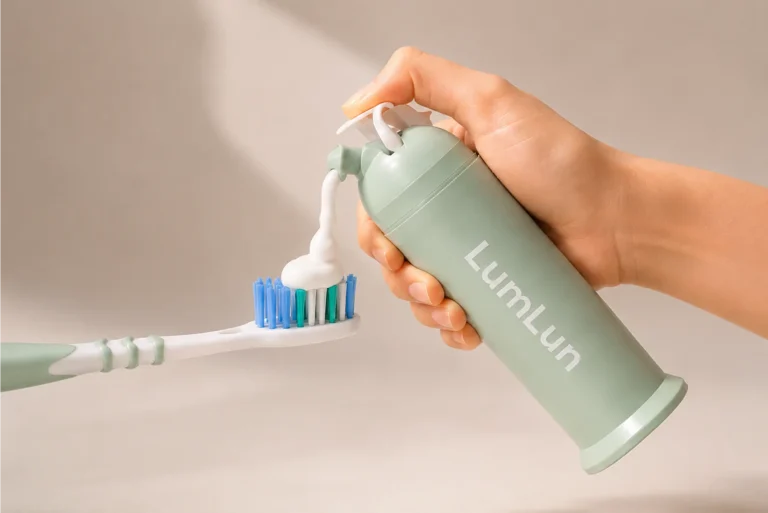
In a common piston-based Airless bottle, the pump does not rely on the long dip tube used in a conventional lotion bottle. As product is dispensed, the internal piston moves upward and helps feed the remaining product toward the pump. Other Airless structures can use different internal systems, so the exact mechanism should follow the model specification.
This can support a controlled pump experience and can reduce the amount of product that becomes difficult to reach in some conventional packages. It should still be described as a model- and formula-dependent advantage, not as “zero residue” or “every last drop.” A thick cream, light emulsion and serum may behave differently in the same general type of package.
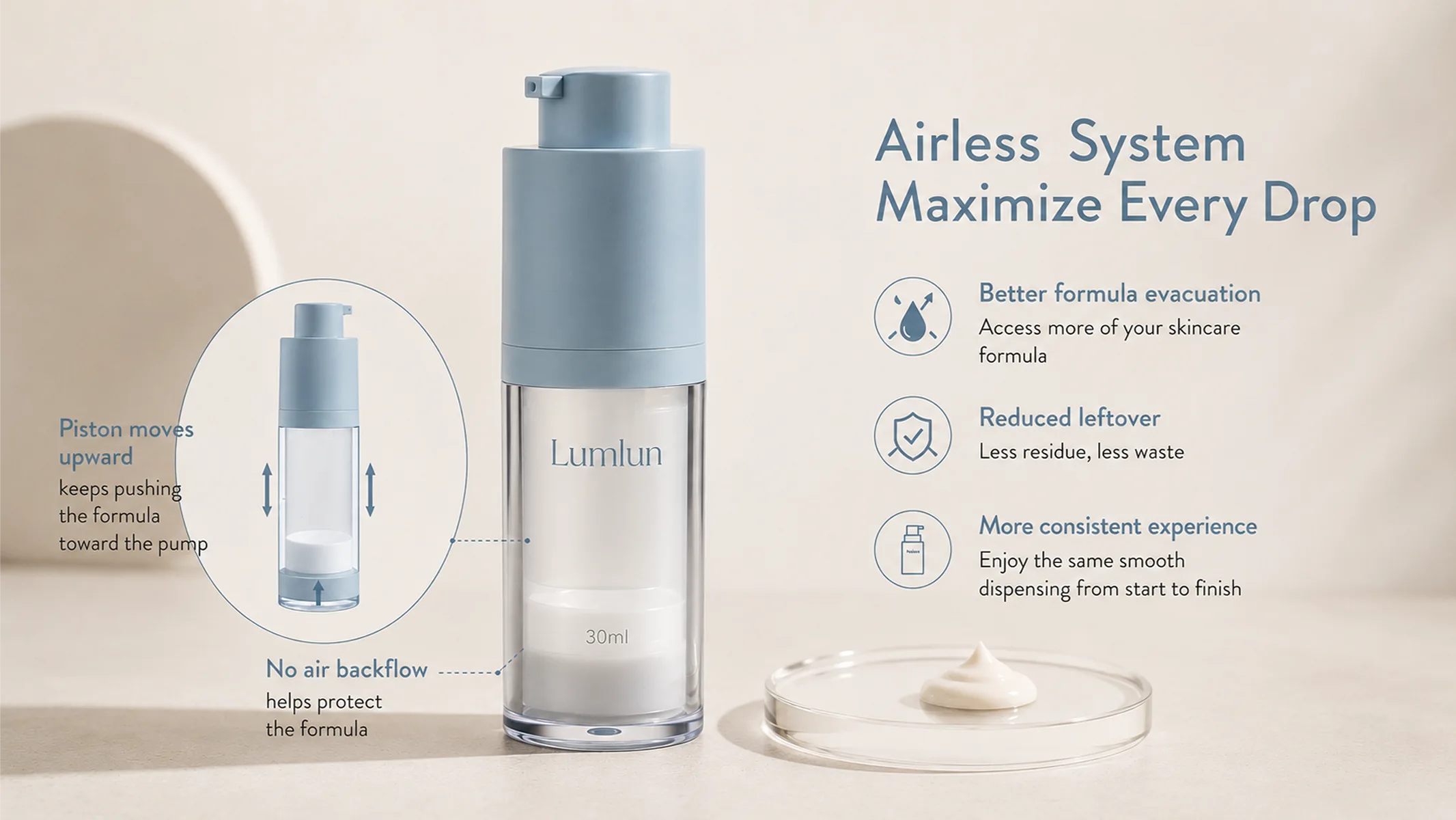
Pump output is a separate decision from the Airless format itself. If the project needs to define the amount dispensed per press, pump output and product-use amount should be matched to the selected package rather than assumed from the word “Airless.”
The absence of a traditional dip tube is only one visible distinction. In a piston-based bottle, the moving base also changes how the product occupies the package as it is used. That can make the package easier to understand for formulas that are meant to be pumped rather than poured or scooped. The benefit is practical when the selected formula and pump work well together; it should not be converted into a universal percentage for residue or a universal claim about shelf life.
The pump head is another model-specific part of the system. Actuator geometry, nominal output and flow path can differ even between bottles that look similar from the outside. A buyer comparing Airless packaging should therefore avoid assuming that two 30ml bottles perform the same way simply because both are labeled Airless.
Airless also changes how the package is filled and assembled, but the packaging decision does not require a filling-line manual. The important point is simply that the selected pump, piston or inner system and the product must work as one package. Model-specific filling requirements can be confirmed after a real model has been selected.
The same discipline applies to protection language. A more enclosed dispensing system can reduce repeated direct exposure during normal use, but it does not prove that a formula will remain stable for a specific period. Stability and compatibility belong to the finished product project. The packaging description should stay with what the structure actually does.
Airless is not limited to thin serums. Industry airless systems exist for a broad range of viscosities, including higher-viscosity creams, but that range belongs to the selected mechanism rather than to the word “Airless.” Very stiff products, particles or formulas that do not prime and move cleanly through a particular pump may need a different Airless model or another packaging format. This is why a cream can be a good Airless candidate without making every cream an Airless product.
Airless Bottles, Airless Jars and Refillable Formats Solve Different Jobs
Airless packaging includes more than one shape and structure. A tall Airless pump bottle can suit a serum, lotion or treatment format when a conventional top press is desired. An Airless pump jar uses a wider package and top-press format for projects that want a jar-like footprint without repeated finger contact with an open formula surface. Refillable or replaceable-inner Airless models add a separate structural choice: part of the outer package is retained while a compatible inner component is replaced.
These formats should not be collapsed into one recommendation. Bottle, jar and refillable structure affect capacity range, pump system, outer proportions and how the finished package is handled. The selection should start from the product and intended dispensing action, then move to a real model.
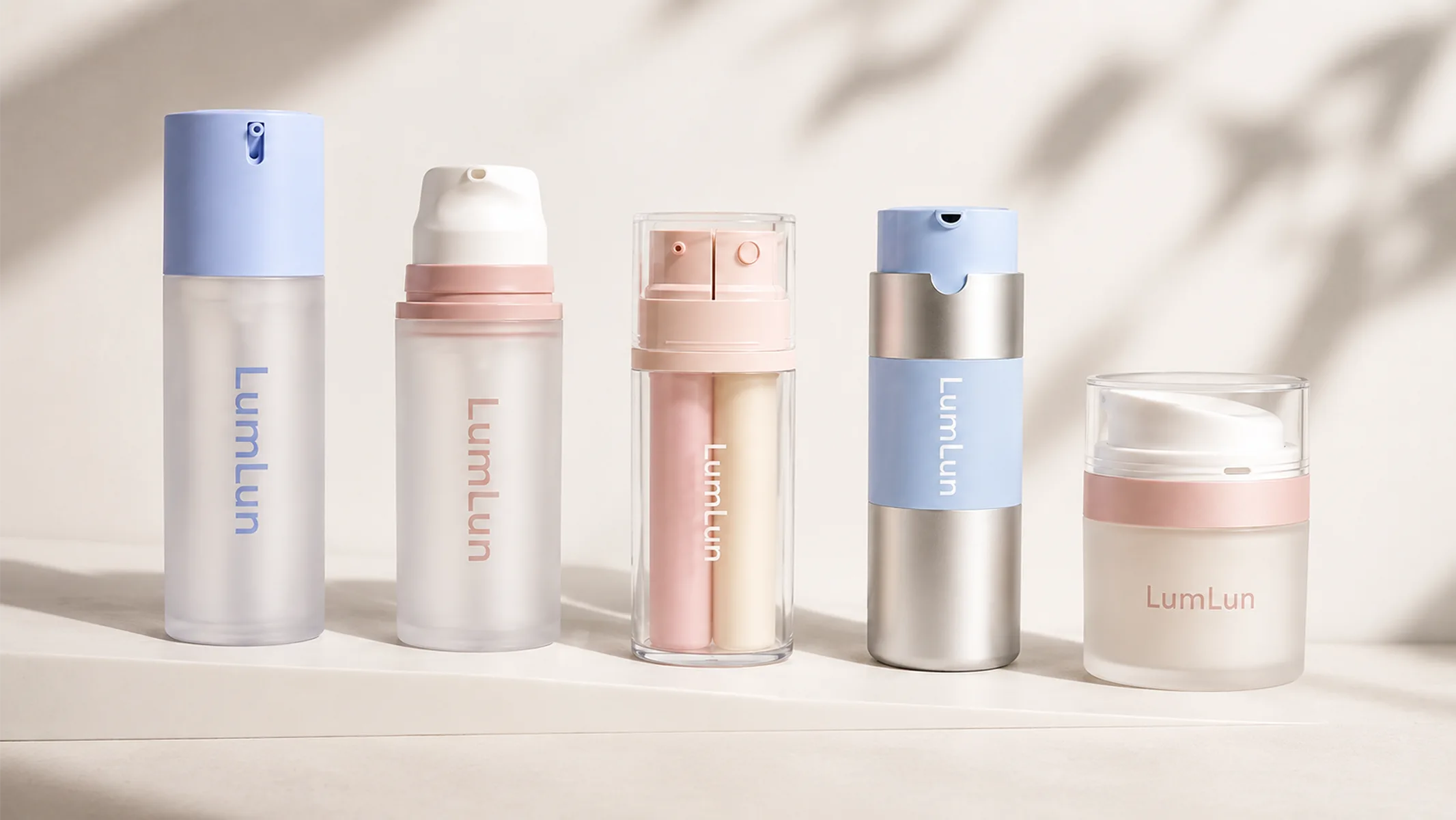
If the project is specifically comparing recycled content, mono-PP and refillable Airless options, the choice can be separated from general Airless fit and reviewed under PCR, mono-PP and refillable Airless packaging.
The difference between bottle and jar is more than appearance. A bottle is usually evaluated around its top pump, vertical proportions and bottle capacity family. A pump jar uses a wider footprint and a different press surface. A replaceable-inner bottle adds the requirement that the inner component and outer system stay compatible as a matched model. These distinctions affect the real package a buyer will source and reorder.
Sustainability language should stay model-specific as well. An Airless package is not automatically recyclable, mono-material, PCR or refillable. Those are separate material or structure directions. They belong in the decision only when the chosen model actually supports them, and the claim should describe the confirmed package rather than the broad Airless category.
For an Airless bottle, capacity and actuator are usually central because the package is handled like a bottle. For an Airless pump jar, the wide format and top press are part of the use gesture. For a refillable or replaceable-inner model, the relationship between the retained outer package and the replacement inner becomes part of the purchasing structure. These differences affect what a brand orders, decorates and later reorders.
A buyer should therefore resist the temptation to treat “Airless” as a single specification line. It is better to write the selected model name, capacity, material and structure clearly. That makes quotation, artwork and repeat orders easier to keep consistent.
When a Non-Airless Format Is the Better Starting Point
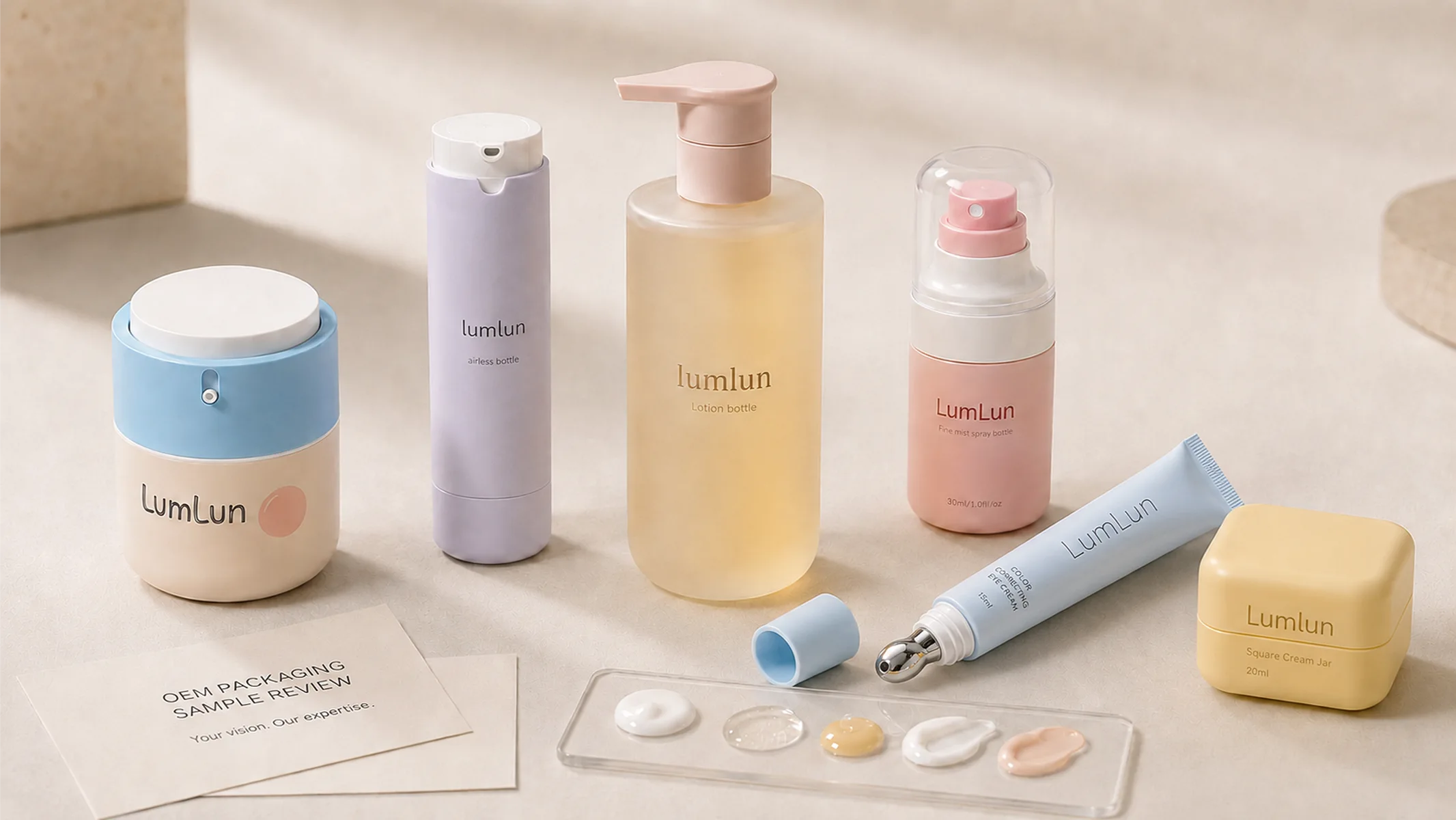
Airless is not the default answer for every skincare formula or product role. A fine mist bottle is the natural starting point when the product is designed to spray. A dropper bottle fits projects built around drop-by-drop dosing and visible liquid presentation. A cosmetic tube fits squeeze dispensing, portable use or a direct applicator. A standard lotion pump bottle can be simpler for larger daily-use formats, while a traditional cream jar may suit a product that is intentionally scooped from a wide opening.
Choosing another format is not a downgrade. It simply means the package matches the intended dispensing action more directly. This boundary is important because it keeps “Airless packaging for skincare” focused on where Airless genuinely fits instead of turning it into a claim that every skincare product should use an Airless system.
| Product-use need | Packaging family to compare first | Why |
|---|---|---|
| Controlled pump dispensing in an enclosed bottle | Airless Bottle & Jar | Compare Airless when the product and use pattern fit a pump-based Airless structure. |
| Spray application | Fine Mist Spray Bottle | Start with a sprayer when the intended action is misting rather than pumping a dose. |
| Drop-by-drop liquid dosing | Dropper Bottle | Use a dropper route when controlled drops are central to the product format. |
| Squeeze or direct-applicator format | Cosmetic Tube | Use a tube when squeeze dispensing or a tube applicator is the intended experience. |
A non-Airless format can also be the stronger choice when simplicity is part of the product. A larger everyday lotion may only need a conventional pump and a straightforward bottle. A product built around visible drops may communicate its use more clearly with a dropper. A cleanser or hand cream may benefit from a flexible tube because squeezing is already familiar to the user. Matching the package to the intended action is more useful than adding Airless complexity where it does not solve a real need.
This boundary also protects the rest of the packaging plan. Once a product is clearly a spray, dropper or squeeze application, the project can move directly into the correct package family instead of continuing to compare Airless specifications that will never become relevant.
Cost can be part of this decision, but it should be handled as a project quotation rather than a generic online price comparison. Airless systems contain multiple components and different model families use different structures. A simpler lotion pump or tube may be commercially sensible for one product, while Airless may be justified for another because the desired pump experience and package format are different. The decision does not need an invented public price range to be useful.
The strongest alternative is usually the format that matches the product gesture. This keeps the decision positive: the question is not what is “wrong” with Airless, but which package makes the intended use easiest to express and source.
Move From the Airless Format to a Real Model
Once Airless is clearly the right packaging family, the next decision becomes much narrower: pump output, capacity, material system, outer shape and the actual models that provide those combinations. That is where broad “benefits of Airless” stop being useful and model-specific selection begins.
The Airless Pump Bottle selection path narrows those functional choices. If the package function is already decided and the project is mainly comparing the visible model, shape, capacity and finish on existing custom Airless Pump Bottles can be considered separately.
| Airless option | Example LumLun model | What the model confirms |
|---|---|---|
| Compact PP Airless bottle | PP Airless Pump Bottle — 15ml–50ml | 15ml, 30ml and 50ml capacities with a PP construction. |
| Larger PP Airless bottle | PP Airless Pump Bottle — 30ml / 50ml / 100ml | A PP family extending to 100ml. |
| Clear outer body | PETG / PP Airless Pump Bottle — 30ml / 50ml / 100ml | A PETG body with a PP pump in three capacities. |
| Refillable option | PP Refillable Airless Bottle — 50ml / 100ml | A confirmed refillable structure with PP / PP-PCR materials. |
These examples are not a ranking of “better” Airless bottles. They show why the category must eventually become a model decision: each family carries its own capacity, material and structure.
For a product line, not every SKU needs the same format. A serum may use an Airless bottle while a mist uses a sprayer and a cleanser uses a tube. What matters is that each package has a clear role and the line can still share color, decoration or broader visual system. This is more practical than forcing a single packaging technology across products with different dispensing needs.
Once the format is settled, the next steps become intentionally narrow. Model selection should solve the pump, capacity and material question. Customization should solve the visible model and decoration question. Sustainability choices such as PCR, mono-PP or refillable structures should be reviewed only when they are part of the project. Keeping those decisions separate makes it easier to compare the Airless format without mixing it with a different material or refillable-structure decision.
AIRLESS PACKAGING
Compare Airless Formats With Real Models
Use the current Airless Bottle & Jar collection to compare actual capacities, structures and model-specific materials before narrowing the final package.