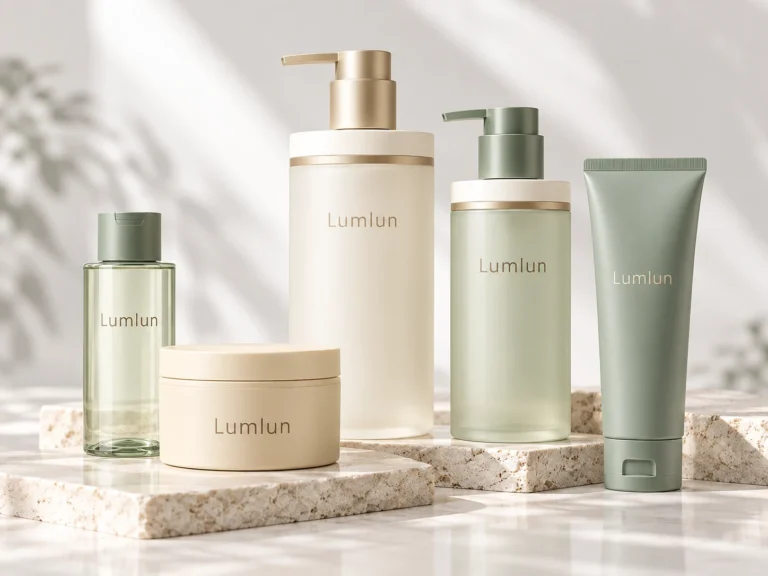
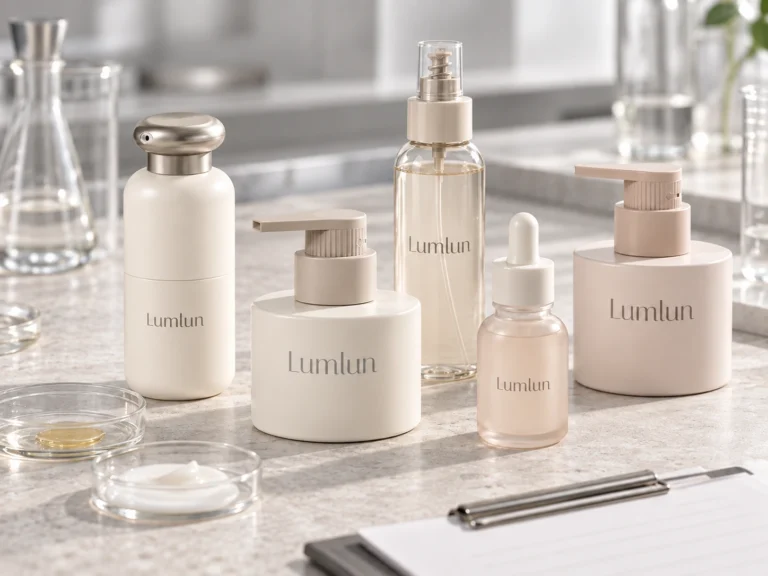
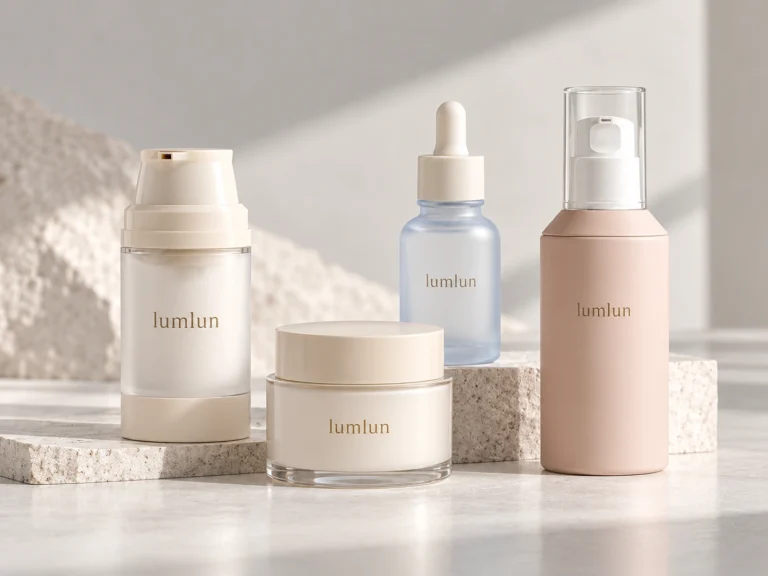
Liquid foundation can work with an airless pump, a regular pump or a dropper. The first decision is not which format sounds more premium. It is how the user should take the foundation out of the package, because that choice changes the pump or pipette, bottle structure, dose and the way the formula has to move through the dispensing system.
Airless Pump, Regular Pump and Dropper: Start With the Real Difference
Airless pumps and regular pumps are both press-to-dispense formats, but they use different package architectures. A dropper changes the action completely: the user picks up product with a pipette and releases it in drops.
| Buyer decision | Airless pump | Regular pump | Dropper |
|---|---|---|---|
| User action | Press | Press | Pick up + drop |
| Package structure | Airless system | Bottle + pump + dip tube | Bottle + pipette + dropper |
| Dose control | Depends on the selected pump output | Depends on the selected pump output | Depends on pipette pickup and user action |
| Main components to compare | Pump, actuator, airless structure | Pump, actuator, dip tube, neck fit | Pipette, bulb, collar and closure |
| Visual direction | Airless bottle formats | Glass or plastic bottle + pump | Often glass bottle + dropper |
| First technical check | Formula flow + complete airless system | Formula flow + pump system | Formula flow + pipette performance |
The format name is only the first layer of the decision. Two airless bottles can use different pumps and outputs. Two regular pump bottles can use different actuators and dip tubes. Droppers also vary by pipette and closure. The useful comparison is therefore between complete packages, not three labels.
Compare Three Real LumLun Foundation Packaging Directions
Instead of keeping the comparison theoretical, start with three real package directions around the same product category. The models below are examples of the structure, capacity and material routes that can be shortlisted for a liquid foundation project; final formula fit still depends on the selected complete package.
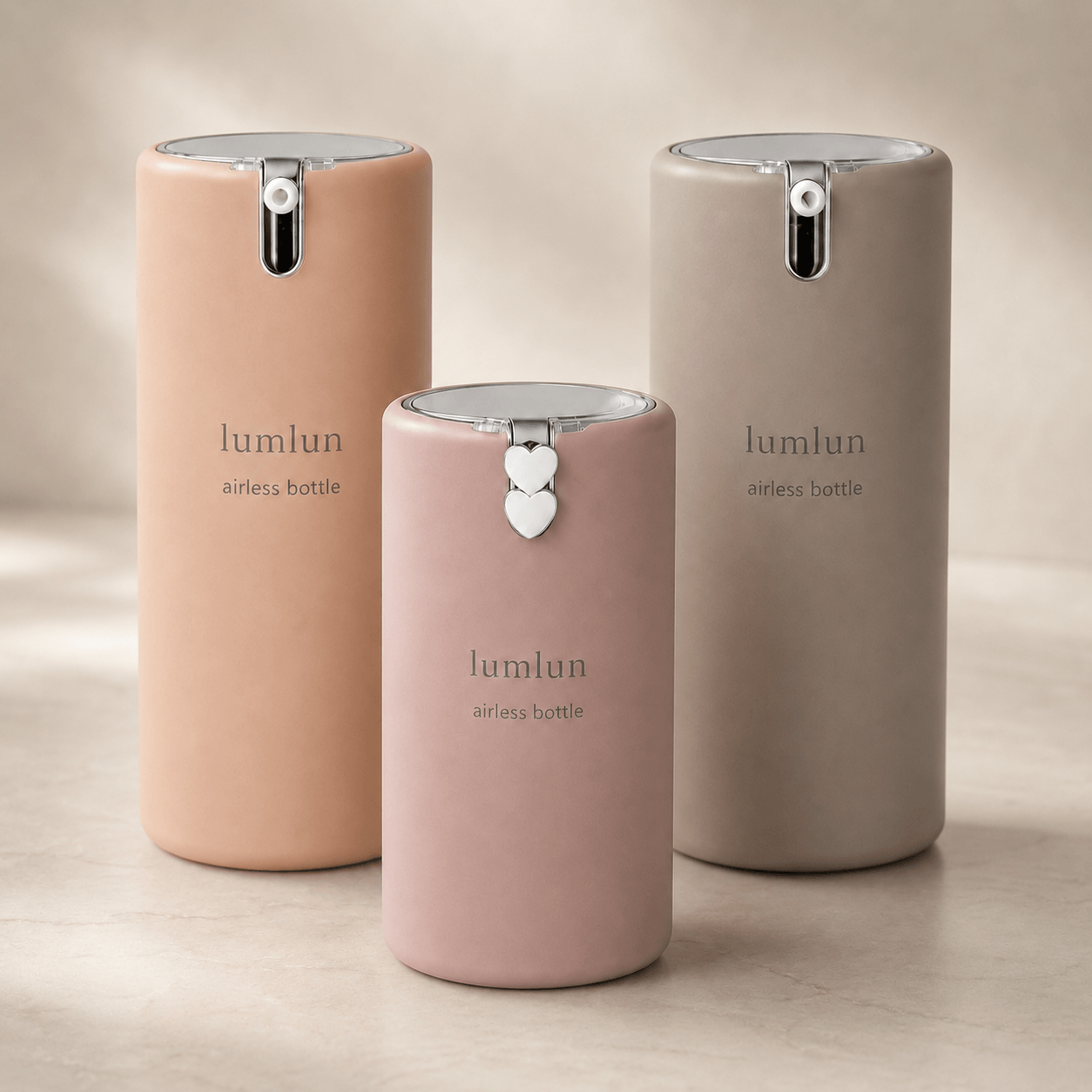
Flat Airless Lotion Bottle — 30ml / 50ml
Airless direction
PP + AS · 30ml / 50ml
A press-to-dispense direction for projects that deliberately want an airless package architecture.
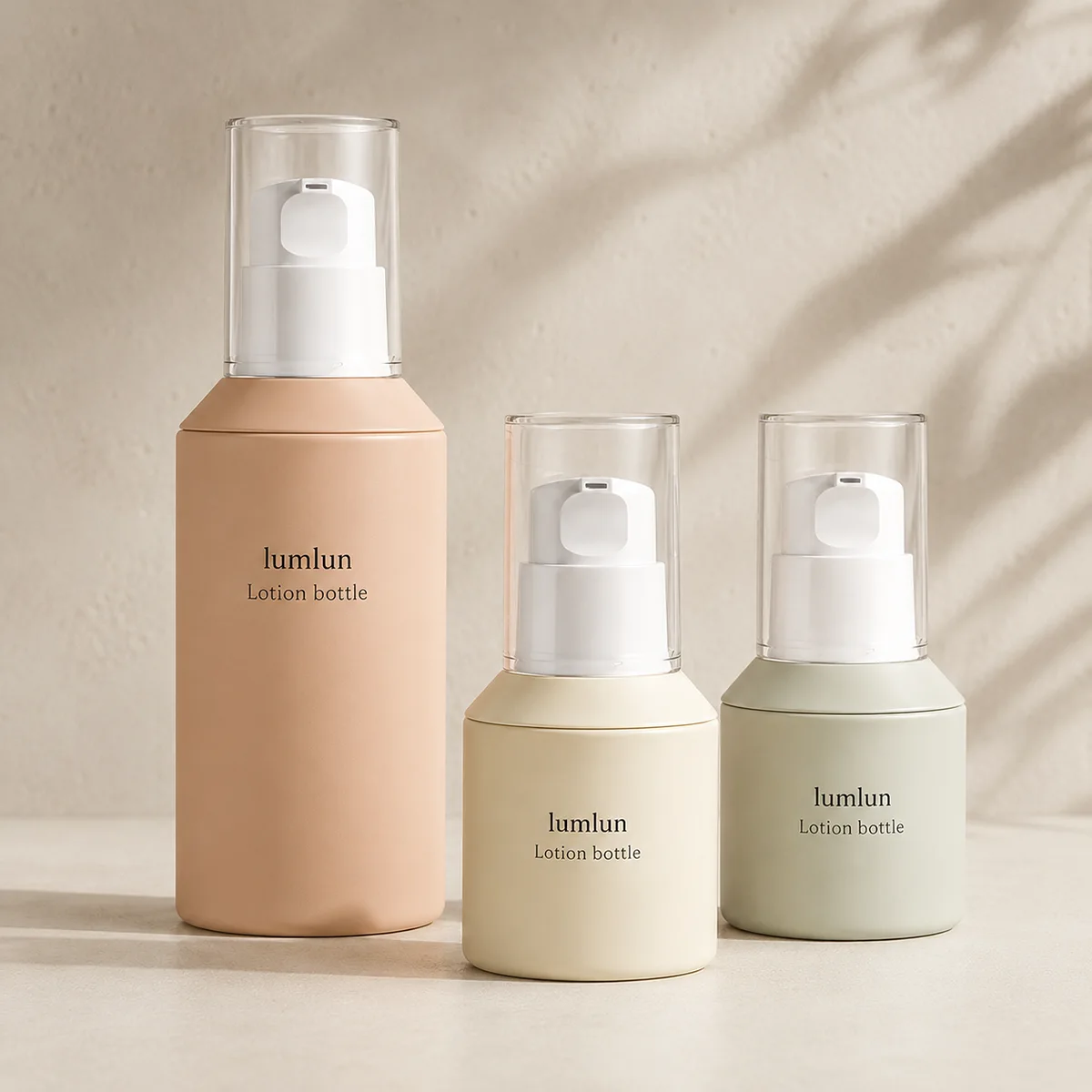
Slanted Shoulder Glass Lotion Bottle — 30ml / 45ml
Regular pump direction
Glass · 30ml / 45ml
A glass bottle plus pump route for brands that want a familiar press action without choosing an airless system.
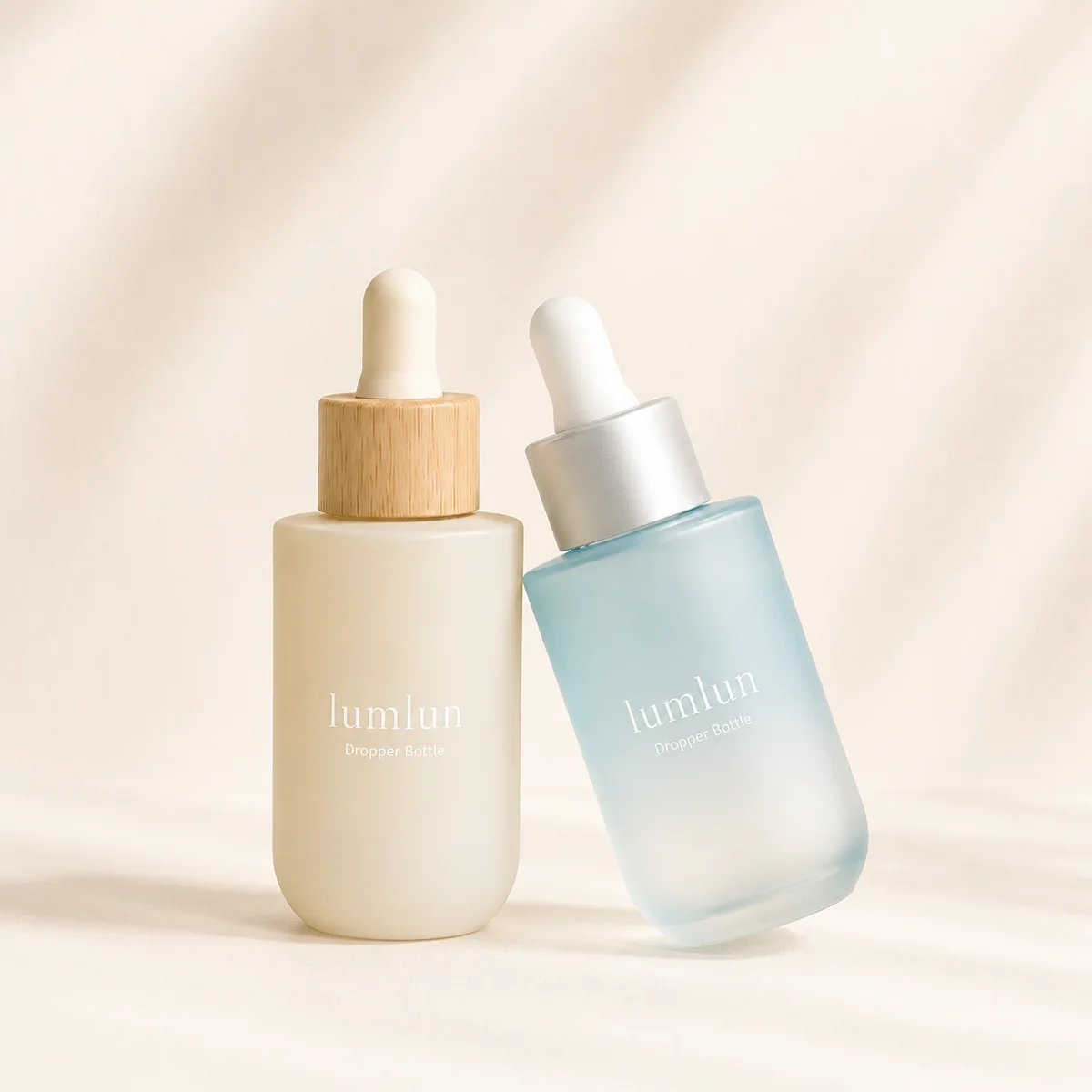
30ml Matte Glass Dropper Bottle
Dropper direction
Glass · 30ml
A pipette-and-dropper route when the pick-up and drop action is intended to be part of the foundation experience.

How Do Three Around-30ml Packages Compare in a Real Sourcing Project?
If the brief only says “30ml foundation bottle,” all three options can look close on paper. In practice, they are different systems with different next questions.
| What to compare | Airless bottle | Glass pump bottle | Glass dropper |
|---|---|---|---|
| User action | Press | Press | Pick up + drop |
| Dispensing component | Airless pump | Regular pump | Pipette |
| Dose logic | Pump output | Pump output | User pickup and release |
| Package direction | Airless architecture | Standard bottle + pump | Standard bottle + dropper |
| Most useful sample check | Formula + complete airless package | Formula + pump + bottle | Formula + pipette + bottle |
| Shortlist first when… | The project deliberately wants airless | The project wants press dispensing and a bottle/pump look | Drop application is part of the intended ritual |
When Should an Airless Pump Enter the Shortlist?
An airless pump is a logical first-round option when the brand wants a clean press action and deliberately wants an airless package architecture. From there, the project still has to move to the exact model: pump output, actuator feel, capacity, internal airless design, formula flow and visual finish.
Do not turn “airless” into a universal claim that every liquid foundation needs this format. The better sourcing question is whether the actual foundation and the selected airless system work together in the intended use case.
If airless has already won the format decision, continue with our guide to choosing an Airless Pump Bottle for the model-level questions of output, capacity, material and shape. As one industry example, Aptar lists Liquid Foundation for its Nouvelle airless platform; that is a model-specific compatibility statement, not a rule for every airless bottle.
When Is a Regular Pump the More Natural Direction?
A regular pump is not a lower-grade version of airless. It solves a different packaging brief. If the brand wants a glass bottle, a specific bottle silhouette or a familiar bottle-plus-pump architecture, a regular pump can be the more natural shortlist.
The next comparison is then practical: pump output, actuator, dip tube, bottle neck and formula flow. A glass pump bottle can also fit an existing product family more naturally than changing the whole line to airless.

When Does a Dropper Make Sense for Foundation?
The biggest difference with a dropper is the user action. The user opens the closure, picks up product and releases it in drops. That can suit a fluid or serum-inspired foundation direction when the brand wants the dropper ritual to be visible and intentional.
Do not choose a dropper simply because a formula is described as “thin.” The real check is whether the formula moves into and out of the pipette in a way that matches the intended amount and use experience.
If the product is a serum rather than foundation, the decision criteria shift; see our Dropper Bottle vs Airless Pump for Serum guide.
Put Formula Flow Before Bottle Style
“I need a 30ml foundation bottle” is a useful starting point, but 30ml only defines capacity. It does not define how the foundation should be dispensed.
- Product type: liquid foundation.
- User action: press or drop?
- Formula flow: how does the actual product move through the intended dispensing system?
- Dose: what amount and repeat action should feel natural?
- Package architecture: airless, regular pump or dropper.
- Exact model: capacity, material, shape, finish and decoration.
This sequence reduces the risk of choosing a visually attractive bottle first and only later discovering that the dispensing direction is wrong for the project.
Pump Output Is the Next Real Comparison for Pump Packaging
If the shortlist ends with an airless pump and a regular pump, the next useful parameter is the amount delivered per press. The correct target is not one universal “foundation output.” It depends on the product’s coverage, intended use and how many presses the brand wants users to need.
That is why pump output belongs to the exact component and sample stage, not a blanket rule for every foundation.
For a deeper look at output, dose and sample checks, see our pump output guide for skincare packaging.
Keep Dispensing System and Visual Design as Two Separate Decisions
Glass does not automatically mean dropper, and airless does not force one visual style. Separate the project into two questions: how should the product come out, and what should the package look like?
Once the dispensing logic is clear, the brand can compare glass, PP, transparent outer shells, matte finishes, gradients, square or round bodies without confusing appearance with the actual dispensing system.
Foundation Packaging Decision Matrix
| If the project priority is… | Put these formats in the first shortlist |
|---|---|
| Users should press to dispense | Airless pump / Regular pump |
| The brief explicitly calls for an airless structure | Airless pump |
| The brand wants a glass bottle + pump look | Regular pump |
| The drop action should be part of the product ritual | Dropper |
| A serum-foundation visual language is important | Dropper is worth comparing |
| Pump output is the main dosing control point | Airless pump / Regular pump |
| The project only has a reference image so far | Compare real examples from all three directions first |
| Formula flow is still uncertain | Shortlist first; do not lock the exact bottle too early |

A Simple Way to Make the Final Decision
Want press dispensing and specifically want airless? Start with airless pump bottles.
Want press dispensing with a glass bottle or conventional bottle-and-pump architecture? Start with regular pump bottles.
Want the user to pick up and release product with a pipette? Start with droppers.
If the format is still open, there is no need to decide everything before contacting a packaging supplier. A product type, approximate capacity and one reference image are enough to begin a real-model shortlist.
Compare Real Foundation Packaging with LumLun
Liquid foundation does not have one package that is right for every brand. The useful match is between user action, formula flow, target dose, package structure and visual direction. LumLun can help narrow the first shortlist using existing airless, pump and dropper bottle models before the project moves into exact capacity, material, color, decoration and sample details.