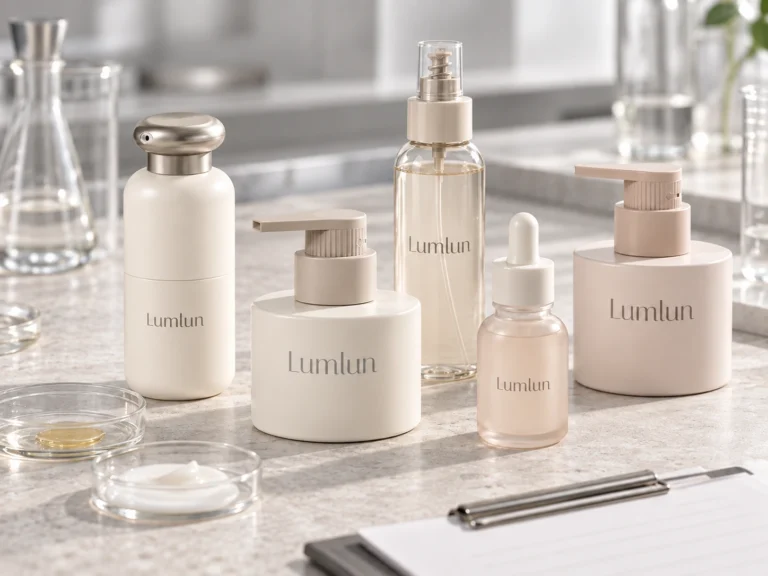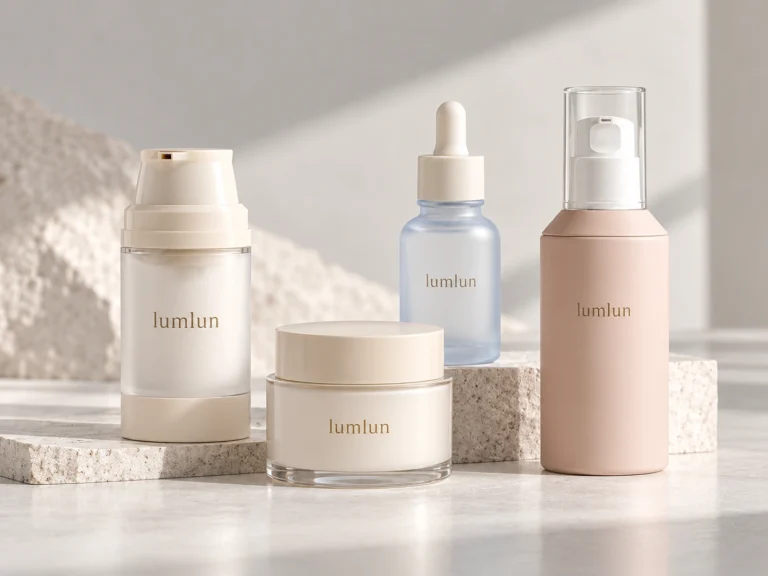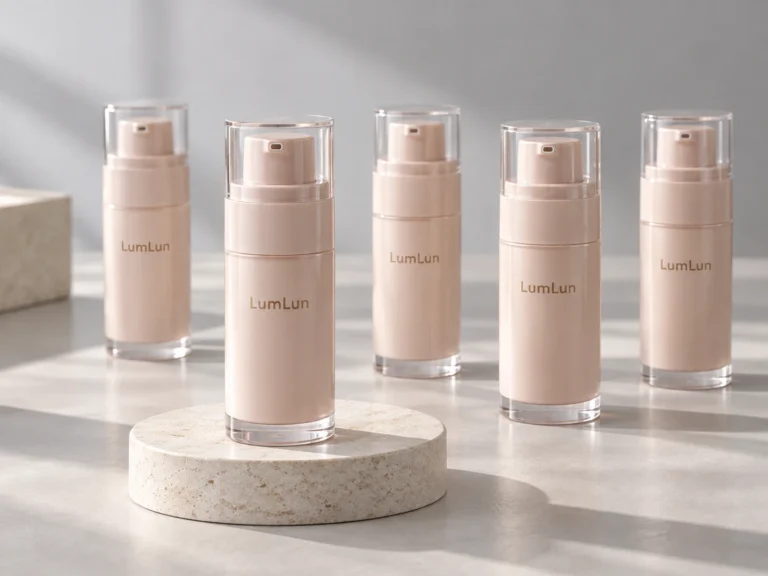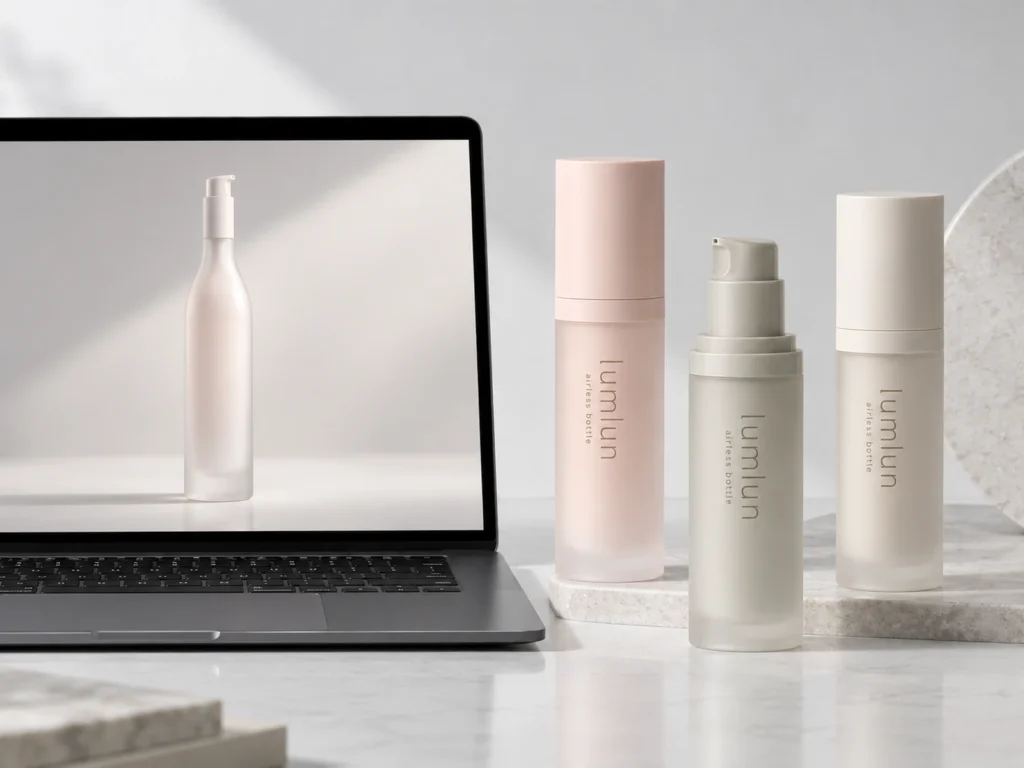
Many cosmetic packaging projects do not begin with professional 3D drawings or technical documents. A customer may see a bottle they like and save a real product image, or use AI to generate an ideal packaging rendering based on their own aesthetic preferences, then send the image to a supplier in the hope of finding the same or a similar package, or discussing further customization.
This can absolutely be a starting point for a project, but one point needs to be clear first: the most important role of a design image is to help the supplier understand what you want, not to directly manufacture the product shown in the image.
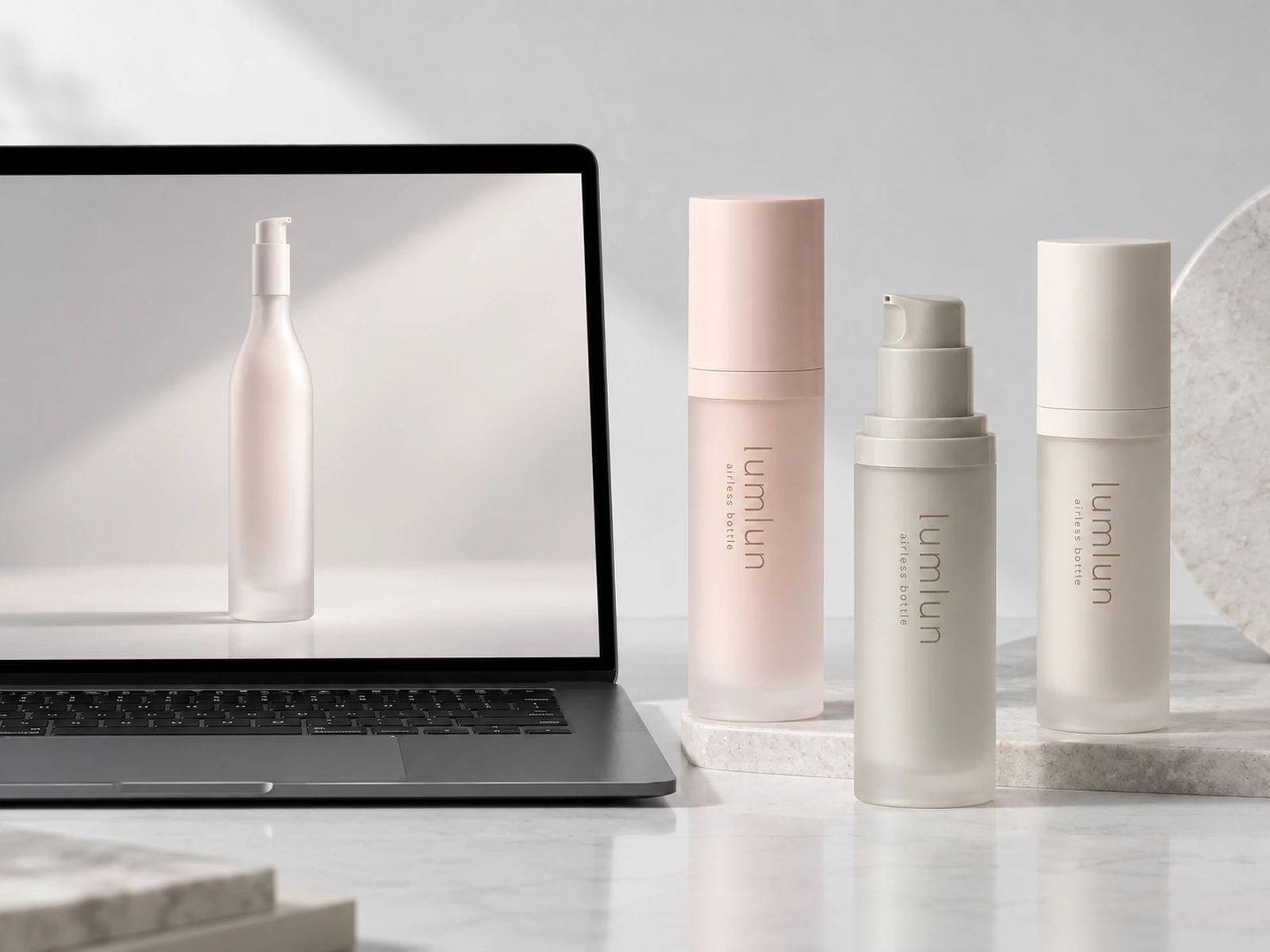
AI-generated packaging images can express a design direction, but they are not the same as mold-ready drawings
AI is very useful for quickly expressing a packaging idea, such as the bottle type, overall proportions, color, pump style, and a minimalist or premium design direction. But AI focuses on whether the image looks plausible. It does not actually calculate whether the pump, bottle neck, shoulder, wall thickness, internal space, and different components can be assembled properly or whether the design follows real production logic.
That is why some AI packaging images can look very attractive, but once the structure is analyzed, the pump may not have enough installation space, the cap may have no reasonable connection method, the bottle shoulder may conflict with internal components, or the internal structure of an airless bottle may simply not fit into the proportions shown in the image.
This does not mean AI images have no value. A more practical approach is to treat them as a Concept Reference: use them to show the supplier the shape, proportions, and visual feeling you like, then let the supplier look for a close solution based on real packaging and manufacturable structures, rather than treating the AI image as an engineering drawing that can be molded one-to-one.
If the goal is to find manufacturable packaging quickly, real product images are usually more effective
If a customer has already seen a Bottle, Jar, Tube, or other package that exists in the real world and likes its overall structure, I would recommend sending the supplier the real product image directly.
Because the product already exists in reality, it at least proves that this packaging direction has a practical manufacturing basis. The supplier can use the image to judge the approximate packaging type, overall proportions, and Pump or Cap form, then combine that with the customer’s required capacity and intended use to look for the same or a similar existing model.
Sometimes a very close or even identical package can be found; sometimes only a product with a similar shape and structure can be found. Either situation is fine. What matters is to first find a packaging base that exists in reality, and then determine which parts need to be further adjusted through color, Logo, or Decoration.
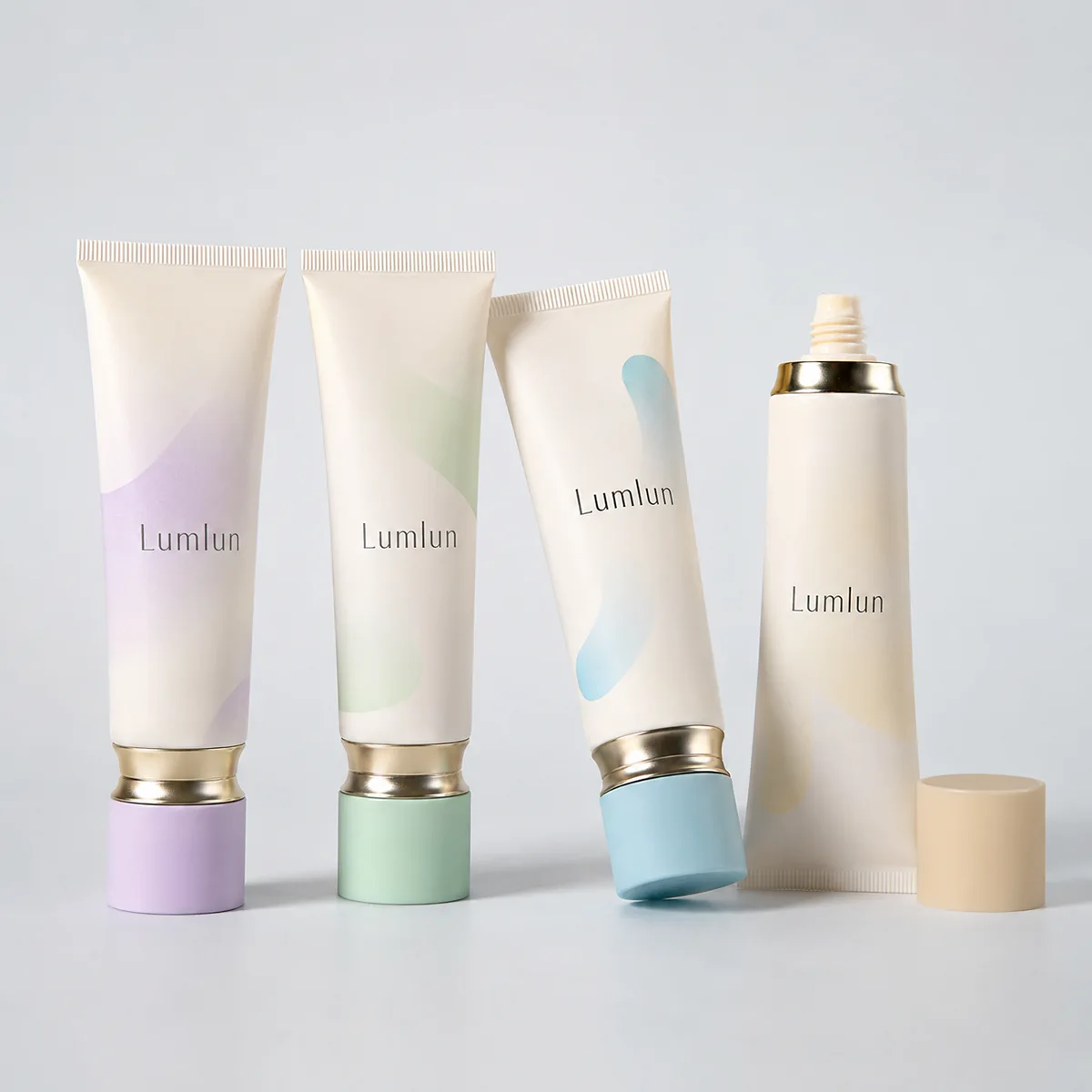
50ml PE Cosmetic Tube with Metallic Screw Cap
Compare a real tube body, closure and overall proportion with the packaging direction shown in your reference image.
View Product →
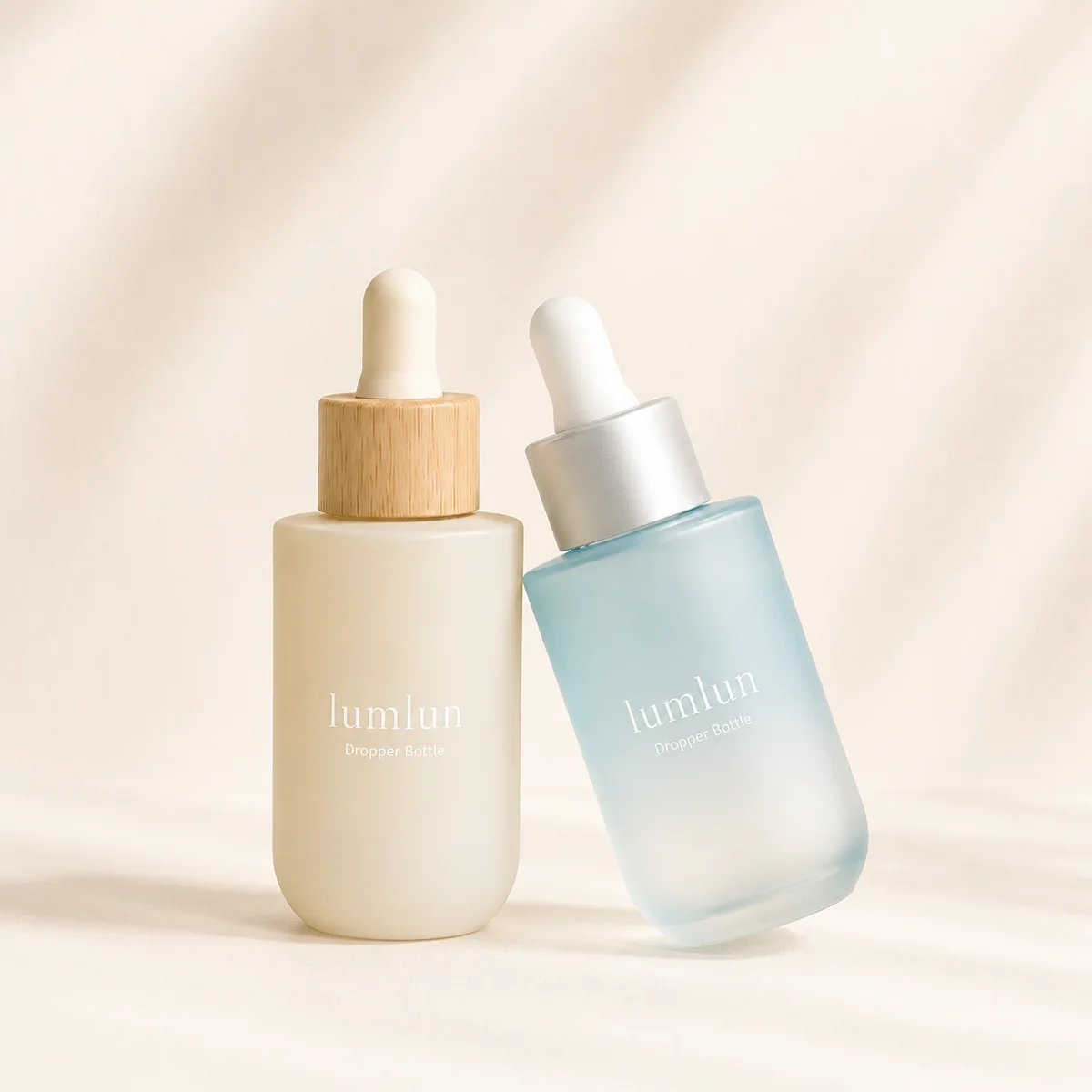
30ml Matte Glass Dropper Bottle for Serum
Use a real serum-packaging model to compare bottle shape, pipette assembly and closure structure with a reference product.
View Product →
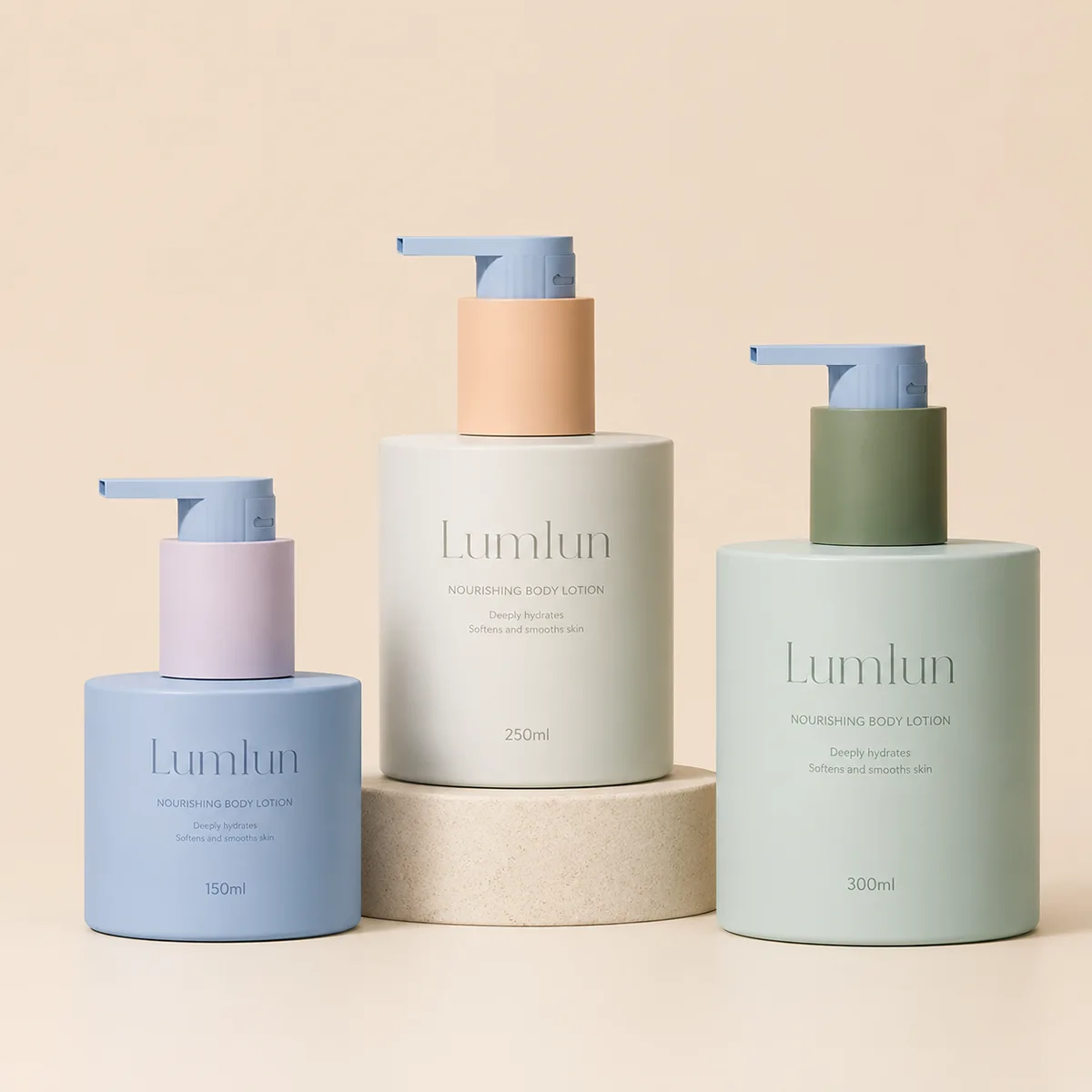
PE Lotion Pump Bottle with Lockable Pump — 50ml–500ml
Compare a real multi-capacity pump-bottle family when the reference direction depends on bottle proportion and pump structure.
View Product →
If you do not have a reference image, you can also tell the supplier your requirements directly
Not every customer needs to find an image they like before contacting a supplier. If you already know what you want to make, you can simply tell the supplier your actual requirements.
For example, you may be developing a 30ml Serum, want to use a Pump, prefer a Bottle that is not too wide, want a simple overall style, expect to purchase 10,000 pieces, and want to customize the brand color and Logo later. This information is already enough for a supplier to start screening suitable real models.
In many cases, customers search for a large number of images online and eventually become constrained by appearance. Telling the supplier the product type, capacity direction, dispensing method, quantity, and general visual requirements directly, and asking the supplier to recommend several real models from existing products, may be more straightforward.
A reference image can help the supplier judge the direction, but it cannot confirm every structural detail
After receiving a reference image, the supplier can usually first judge what type of packaging it is, whether the overall proportions are tall and slim or short and wide, the approximate relationship between the Bottle Body, Pump, and Cap, and the customer’s preferred color and visual style.
But from a single image alone, it is usually impossible to accurately confirm the real capacity, Bottle Neck, Pump connection method, internal components, and exact dimensions. Two packages that look very similar from the front may have completely different internal structures.
Therefore, the role of a Reference Image is not to make the supplier “guess all parameters from a photo,” but to help both sides quickly establish a common direction and then gradually move the discussion from the image to real product models.
| Starting point | What it can help communicate | What still needs real-product confirmation |
|---|---|---|
| AI concept image | Shape direction, proportions, color, pump style and visual feeling | Manufacturable structure, component fit, internal space and assembly logic |
| Real product image | Packaging type, visible proportions and a same-or-similar model direction | Exact capacity, neck, pump connection, internal components and dimensions |
| Direct requirements | Product type, capacity direction, dispensing method, quantity and design direction | The exact real model and component set to use |
| Pantone + physical color sample | A clearer target for color development | The final appearance on the actual material, finish and pre-production sample |
Instead of asking “Can you make it exactly the same?”, first confirm what you like most about the reference image
Customers often say, “I want one just like this.”
But once the project really begins, what the supplier needs to understand more clearly is: Which part matters most to you?
Some customers really like the Bottle Shape, some like the proportions of the Pump and Cap, some mainly like the Matte Beige color and minimalist Logo, while others simply want the overall package to have a similar brand feeling and do not require the internal structure to be completely identical.
Once the most important design feature has been confirmed, finding packaging becomes much easier. The supplier can prioritize the parts the customer truly cares about instead of redeveloping the entire package for a minor detail that is not actually important.
After finding a close existing model, first decide whether the difference is visual or structural
When the supplier finds a real product that is close to the Reference Image, the next step is not simply to judge whether it “looks similar,” but to identify where the differences actually are.
If the Bottle Shape, capacity, Pump structure, and component relationships are already suitable, and the differences are only color, Logo, or surface effect, then the project can usually continue with Customization based on the existing model.
But if the customer truly requires a completely different Bottle Shape, a special Shoulder, a special opening, or an internal structure that does not exist in current products, then color and Decoration cannot solve that issue. At that point, it is necessary to continue looking for another existing model or further discuss a New Mold.
This judgment is more practical than asking “Do we need a mold?” at the very beginning, because some products that look very different may only need appearance changes, while some that look only slightly different may actually involve the entire structure.
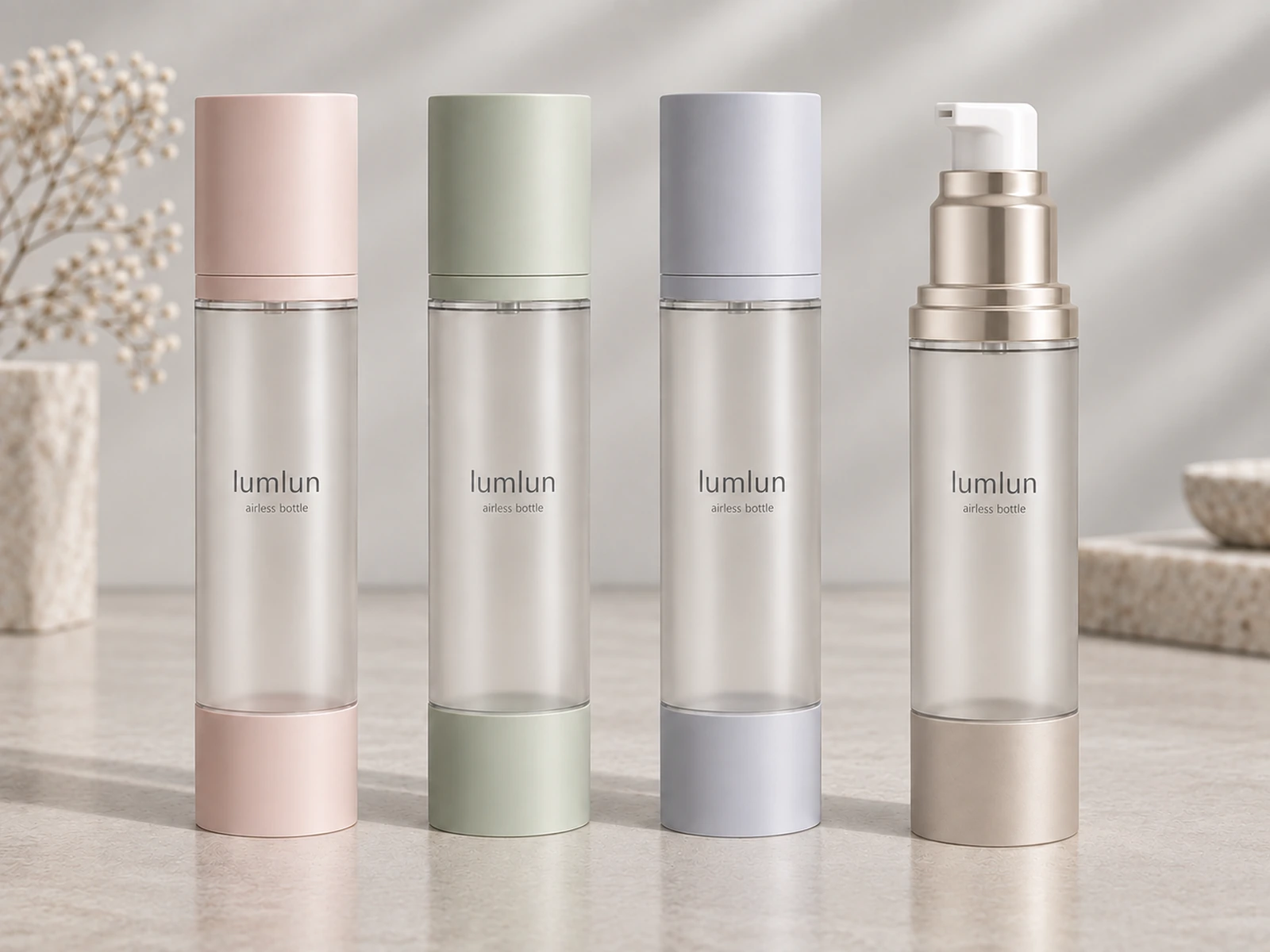
A new mold should solve a real structural requirement, not simply reproduce the appearance of an AI image
If no existing product can provide the structure required for the core project needs, then a New Mold can of course become part of the project.
But even if the customer originally provides an AI Design, the image cannot simply be handed to a mold engineer and manufactured as shown. Before mold development begins, the design still needs to be converted into a reasonable product structure, with the actual dimensions, component relationships, internal space, assembly method, and details that can realistically be produced confirmed.
So the correct starting point for a New Mold should be:
Existing packaging cannot achieve an important structural requirement.
Not:
The AI image does not look exactly the same as the existing product.
Packaging color should gradually move from an image reference to a clear color standard
Images can of course be used to express color preferences, but colors in online images, AI images, and phone screens are affected by lighting, post-processing, display devices, and the packaging material itself, so the color shown in an image should not be treated directly as the final production standard.
If the customer already has a defined brand color, a Pantone number can be provided so the supplier can develop the color in that direction. If the customer already has a physical color sample they approve, such as existing packaging, a color card, brand material, or another physical sample, that item can provide a more direct reference. This can make the color of the produced sample more accurate.
Especially when the customer has high requirements for color, Pantone + a physical color sample is clearer than sending only a photo taken on a phone.
With a physical color sample, the supplier can make a pre-production sample based on the real reference
If the customer has an approved physical color, the sample can be sent to the supplier. The supplier can use the selected real packaging model, actual material, and surface treatment, and use the physical sample and Pantone as references when making the Pre-Production Sample.
This is an important step because the same color can look different on PP, PE, PETG, Glass, or different Surface Finishes. The color shown on a computer can only express the target; what really needs to be approved is how the color looks on the actual packaging.
Therefore, final color confirmation should return to the real package and real sample rather than ending with a computer rendering.
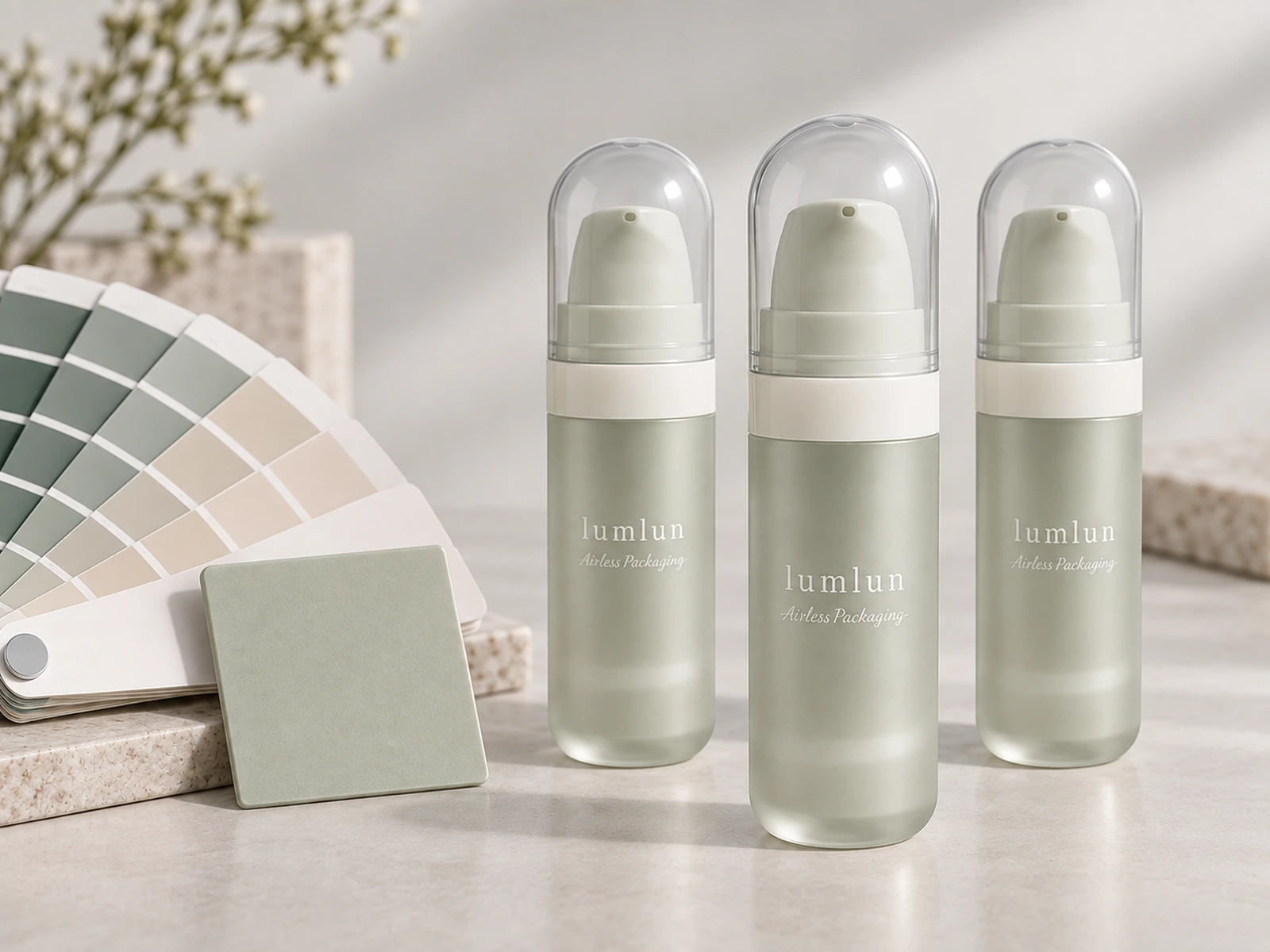
A project should gradually move from an “image” to “real packaging”
Whether the project begins with an AI image, a real product reference image, or a customer’s written requirements, the basis for decisions should become increasingly real as the project moves forward.
Images can be used at the beginning to express the direction quickly. The next step should be to find the same or similar real packaging and compare actual models and components; after the model is confirmed, the color, Logo, and Decoration can be finalized, and finally a Pre-Production Sample can be used to confirm the real customized result.
In this way, the customer’s original design idea is not restricted, and the project is not led in the wrong direction by an AI structure that cannot actually be manufactured.
The most effective starting point is to let the supplier know what you really want to achieve
If you have already seen a package in the real world that you like, sending the real product image directly to the supplier and asking them to look for the same or similar packaging is usually a very effective approach.
If you only have an AI-generated packaging design, you can also send it, but it is better to explain that it represents a design direction rather than a request to develop a mold exactly from the image.
If you do not have a reference image, that is also fine. Tell the supplier the product type, approximate capacity, preferred dispensing method, purchase quantity, and the product design direction you like, and the supplier can still begin looking for suitable real products.
Efficient packaging development is not about turning every question into drawings and technical parameters first. It is about connecting an idea with packaging that can actually be manufactured as quickly as possible.
Images express ideas, real packaging verifies structure, Pantone and physical color samples help confirm color, and the Pre-Production Sample ultimately turns those requirements into a product the customer can actually see and approve.
That is the complete process from “I like this design” to “this package can actually be produced.”