Lip balm is often reapplied throughout the day, so the tube needs to feel simple, portable and pleasant every time it is used. A small difference in applicator shape, squeeze response or cap design can change whether the pack feels convenient and refined or awkward in a daily routine.
Because the package is compact, every visible detail carries more weight. Tube proportion, finish, logo scale and applicator need to support the same lip-care positioning and remain clear in close-up product photography, gift sets and hand-held use.
Start with the available LumLun cosmetic squeeze tubes, then compare the relevant cosmetic tube applicator types before finalizing the cap and artwork.
Reviewed by the LumLun Packaging project team · Updated July 2026
Key Takeaways
- Prioritize easy daily reapplication. The tube should be comfortable to carry, open, squeeze and apply repeatedly.
- Match the applicator to the balm experience. Tip shape and opening size influence direct contact and product control.
- Keep the pack compact without looking generic. Proportion, finish and logo placement can give a small tube stronger brand recognition.
- Choose a cap that suits portable use. Retention, opening method and overall length matter in a handbag or pocket.
- Connect lip balm to the wider lip-care line. Shared colors and finishes can support tubes for balm, serum and gloss.
Decision Table
Lip balm squeeze tube: quick decision table
| Decision area | Practical direction | Customer benefit | Project check |
|---|---|---|---|
| Formula feel | Match the opening and applicator to balm, gel or oil-like texture | Cleaner dose and less effort during reapplication | Evaluate the filled formula and intended use |
| Applicator | Rounded, slanted, silicone or rollerball only when the model and formula fit | Direct application without using fingers | Tip comfort, flow, wipe-clean behavior and cap fit |
| Size | Compact slim tube for carry; longer tube for more product and artwork | Easy storage with enough product presence | Assembled length, diameter, fill and front-panel space |
| Brand design | Controlled color, clear logo hierarchy and a cap that belongs to the tube | Faster recognition and a more complete impression | Color consistency, print area, cap material and finish |
What Kind of Lip Care Experience Should the Tube Create?
Define the repeated action the customer should remember: quick protection, controlled balm, glossy treatment or cooling massage.
An everyday lip balm usually benefits from a low-friction routine. The customer should be able to open the tube, dispense a small amount, apply it directly and close it without touching the product. A treatment-led product may intentionally add a slower glide, cooling tip or more visible applicator experience.
The package should support the product position without making use harder. A complex cap or premium applicator adds value only when the customer can understand and enjoy it. For a simple high-frequency balm, a clean rounded or slanted tip can be the more appropriate choice.
Write the use instruction around the real package. Avoid asking customers to squeeze aggressively or guess the dose because the tube, opening and formula were not matched.
How Does the Balm Formula Affect the Tube and Tip?
Texture determines how easily the product moves through the tube and how much control the applicator must provide.
A softer balm, gel or lip oil-like treatment may flow with little pressure, so the opening needs to prevent flooding. A firmer balm may need a more flexible tube or larger opening to dispense comfortably. Particle-heavy or highly viscous formulas require particular care because a small opening can restrict flow.
A brand does not need a complete test report before asking for a package. A description such as “soft balm,” “glossy gel” or “thick treatment” is enough to begin a shortlist. The final tube and applicator should then be confirmed with the actual formula before bulk production.
The tube wall, diameter, shoulder and tail seal also affect squeeze recovery and feel. Those choices are model-specific and should be reviewed after the desired use experience is defined.
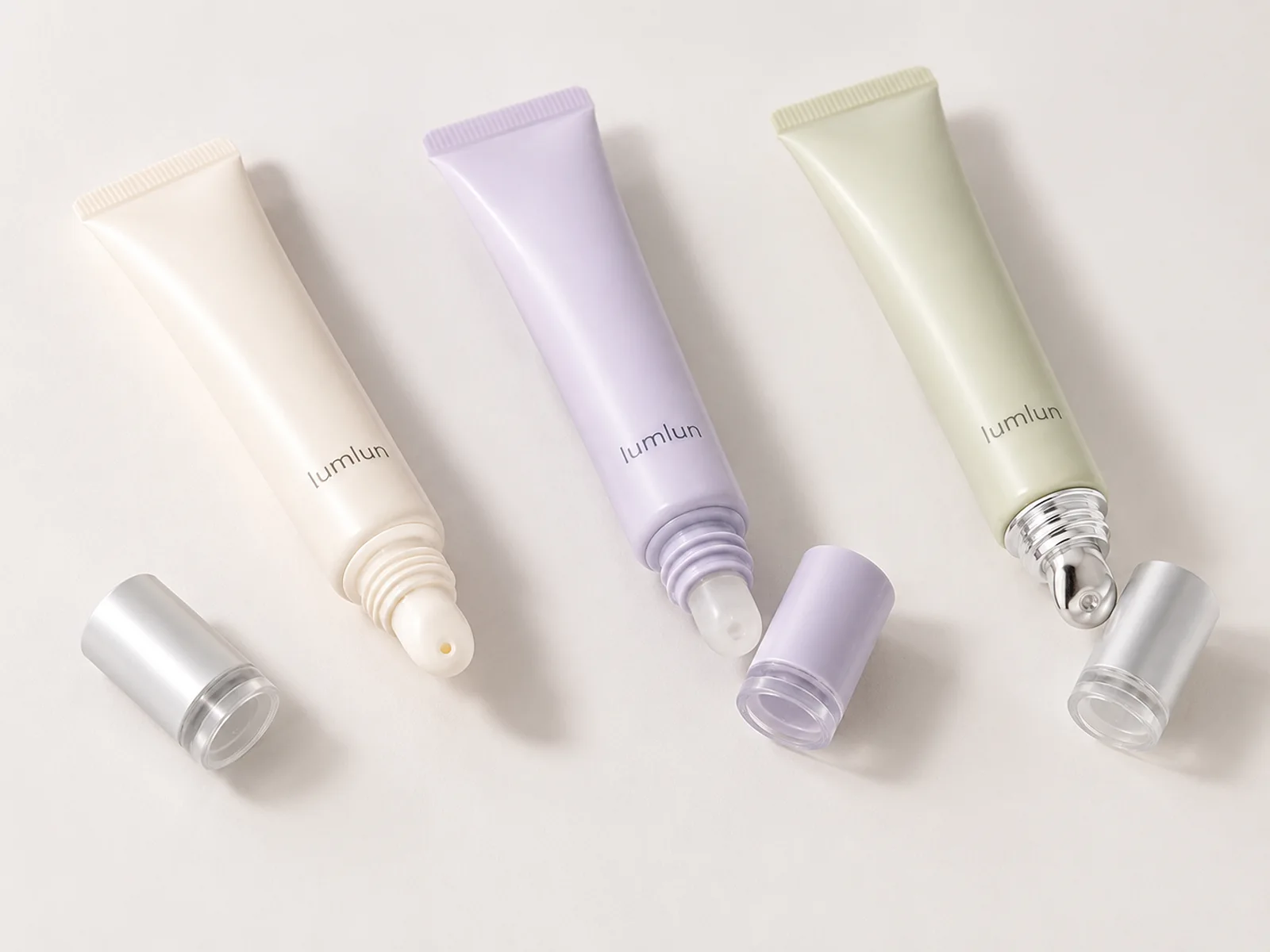
Which Applicator Tip Fits Daily Lip Application?
Choose the applicator by control, comfort and clean reapplication—not by novelty alone.
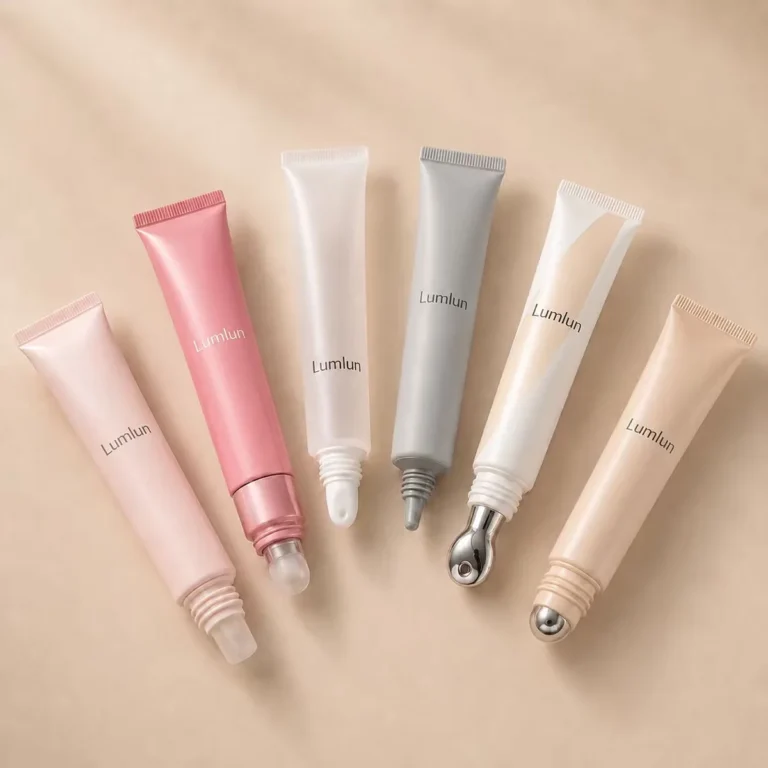
A rounded tip provides a simple direct-lip action and can work across many balm directions. A slanted tip follows the lip surface and can spread a thicker layer. A silicone tip provides a smooth non-porous contact surface and can support a refined serum or oil-like experience.
Rollerball or metal-tip directions can create glide and cooling when the formula is thin enough and the model is designed for it. They are not automatically suitable for every balm. A premium tip that restricts the formula or is difficult to clean will not improve the customer experience.
For a detailed comparison, read the guide to cosmetic tube applicators and the specialist guide to lip serum applicator options.
How Should the Tube Feel When Customers Squeeze It?
The customer should be able to release a controlled dose without crushing the tube or causing a sudden surge.
A tube that feels too stiff can make frequent reapplication tiring, especially when the balm is thick or the package is nearly empty. A tube that feels too soft can release more product than intended or look deformed after use. The preferred feel depends on formula, diameter, wall structure and brand impression.
The shoulder and tail seal influence how the package behaves in the hand. A narrow tube can feel precise and portable. A wider tube can feel more substantial and provide more artwork space, but it may require different pressure. Judge the design as a filled pack, not only as an empty tube.
Controlled dosing can reduce mess and help the customer use the product confidently. It should be described as a usability benefit, not as a guaranteed increase in repeat purchase.
Share the lip balm tube you like or one reference image. We can help compare applicators, tube proportions and cap options for everyday lip care.
Which Size, Shape and Cap Fit Everyday Carry?
Everyday carry depends on the assembled package: tube length, diameter, cap height and closure security.
A slim short tube can fit pockets and small bags, but the front panel may only support a concise logo and product name. A longer tube can provide more fill and visual presence, while a wider tube can feel generous but may be less convenient for a small handbag. The cap can add significant length and visual weight.
A screw cap can feel clean and secure. A transparent or metallic-effect cap can make the applicator visible or add a premium accent. An attached closure may support faster use when the real model offers it. The correct choice depends on reapplication and the leakage-control needs of the finished product.
Use nominal fill as one data point. Compare complete dimensions, hand feel and how the tube sits in a carton or lip-care set.
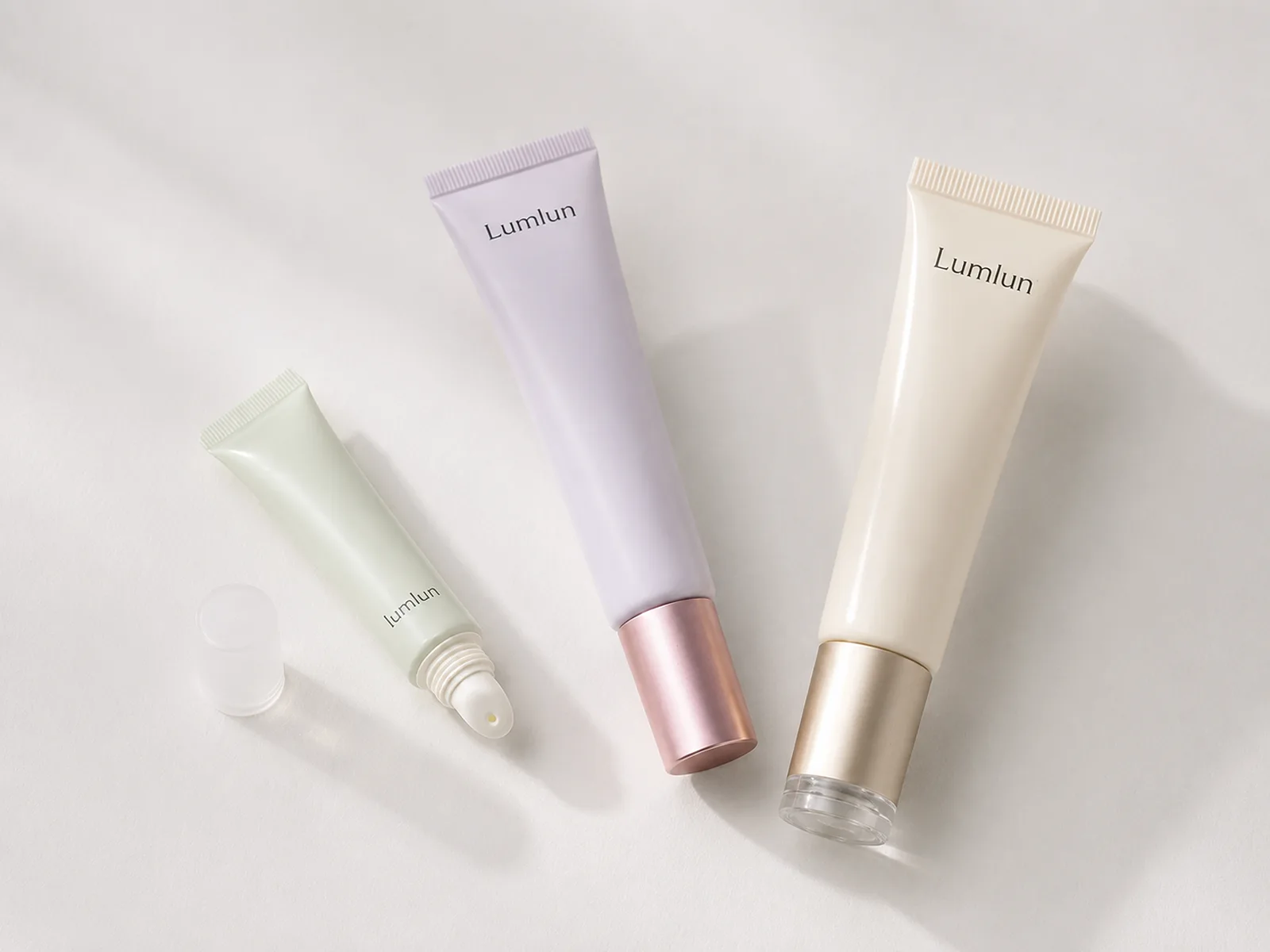
How Can Color and Finish Make Lip Balm Feel More Premium?
Premium lip-care packaging comes from a coherent small-scale design, not from adding the maximum number of effects.
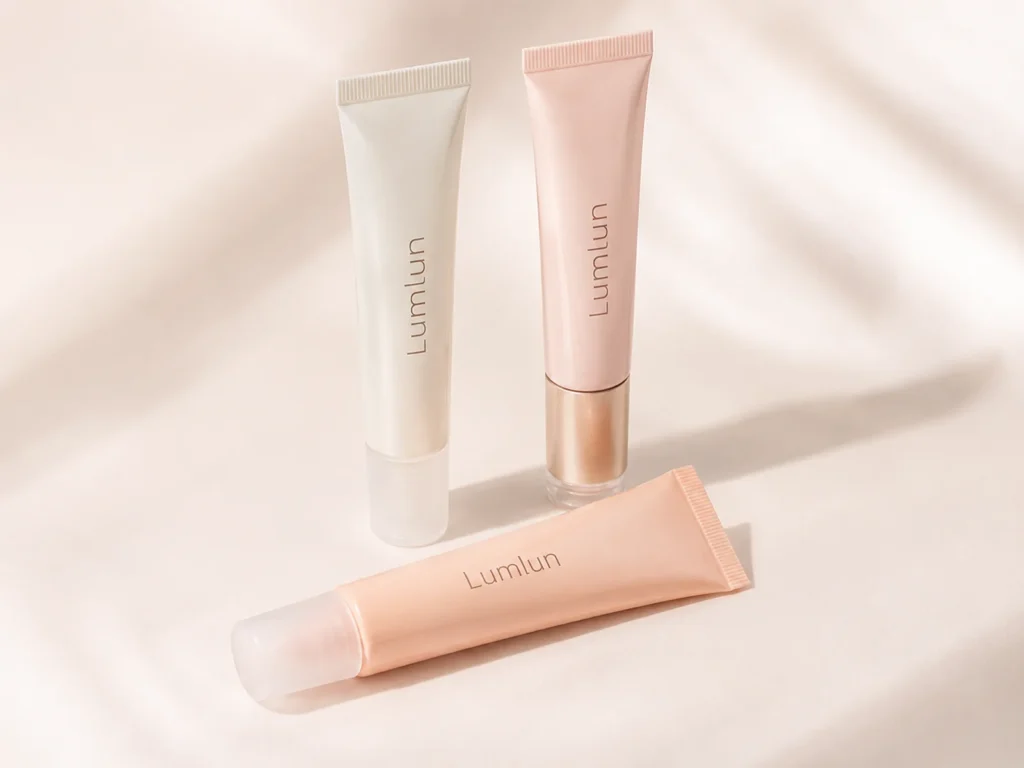
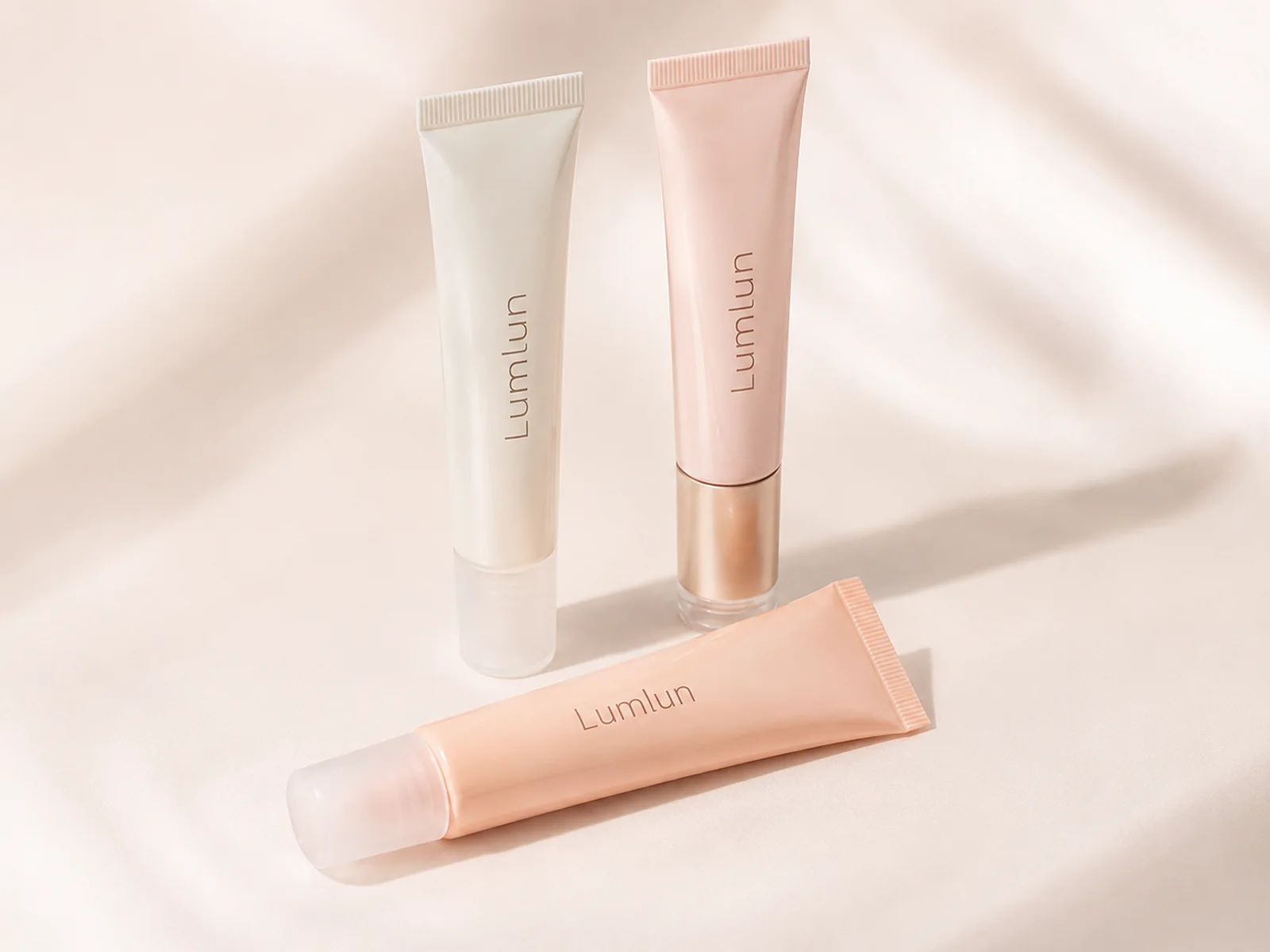
Pearl, soft matte, translucent, glossy and pastel finishes can all work when they support the formula and wider brand. A metallic-effect cap can create a controlled focal point. A transparent cap can show the applicator and make the interaction more visible.
The logo must remain readable on a narrow curved surface. One clear orientation and restrained copy often create a stronger result than dense claims. Color can distinguish clear balm, tinted balm or treatment variants, while a shared cap and typography keep the line connected.
After selecting the tube, compare available LumLun tube color and finishing options and confirm print size and finish on the real surface.
How to Build a Complete Lip Care Range
Use one recognizable design system while allowing the applicator and transparency to follow each formula.
A brand may use a simple balm tube, a glossy squeeze tube and a rollerball treatment within one lip-care family. The products do not need identical tips. They can share tube proportion, logo position, cap tone and a controlled palette so customers recognize the family while understanding the different use actions.
Variant colors should be easy to distinguish online and in a gift set. A pale tint visible only under studio lighting may not be enough. Consider how the shade, logo and cap read in a small thumbnail and when several SKUs are placed together.
The range should have a clear product ladder. A more complex applicator can support a treatment tier when the formula and experience justify it, while the everyday balm remains simple and accessible.
How Will the Tube Look Online, in Sets and in Customers’ Hands?
A lip balm tube must be readable at thumbnail size, proportionate in a set and comfortable in the hand.
In product photography, the cap and applicator direction should be shown honestly. One image can present the closed tube; another can show the tip and closure. Transparent or pale tubes need enough contrast so the overall shape does not disappear against a light background.
In a gift set, align the tubes through shared cap height, logo position or color family. The insert should hold the tubes without crushing the shoulders or hiding the design. In the hand, the tube should feel balanced and not require an awkward grip to dispense.
These details can strengthen the chance that customers understand and enjoy the product, but packaging alone cannot guarantee reviews, repeat purchase or sales.
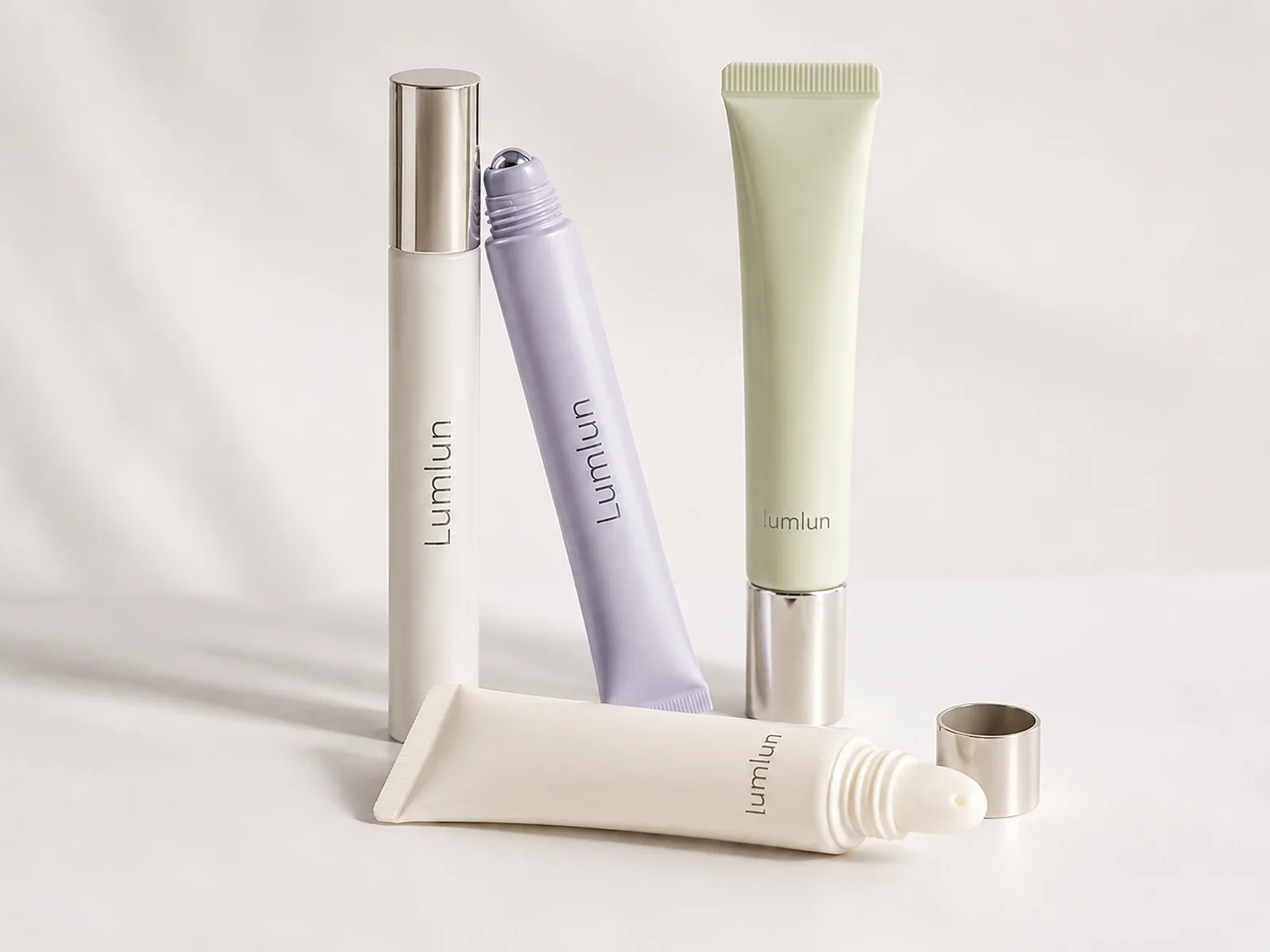
How Can an Existing Tube Be Made More Distinctive?
Existing tube structures can become highly recognizable through proportion, applicator, cap, color and artwork without changing the mold.
Start by selecting the closest tube diameter, length and applicator. Then coordinate the body color, transparency, shoulder, cap finish and logo. A familiar tube can feel completely different in pearl ivory, translucent color, matte pastel or a controlled metallic detail.
A reference image can be separated into structural and decorative features. If the effect comes mainly from color and cap treatment, an existing model may be sufficient. If the reference depends on a proprietary applicator or overall shape, LumLun can explain the closest alternatives or evaluate tooling.
The final design should be distinctive because it fits the brand and use action, not because every available finish has been applied.
How to Turn a Lip Balm Idea Into an OEM Packaging Direction
Send the product type, approximate texture, preferred size and one reference image; the first shortlist can begin before every detail is finalized.
LumLun can compare real squeeze-tube models, identify compatible applicator directions and show how color, cap and printing can carry the brand. A client who has selected a LumLun tube can start from that product image. A client with an outside reference can start from the closest structure rather than being forced into tooling.
After the direction is accepted, the project can confirm the tube, decoration, artwork and sample path. Formula compatibility and dispensing should be reviewed before bulk production, but they are part of supplier-supported development—not a barrier to the first inquiry.
The best outcome is a package that looks deliberate, feels easy to reapply and gives the product a clear role inside the lip-care range.
Decision Table
Which lip balm tube direction fits the product?
| Product direction | Strong starting format | Why it fits | Alternative to consider |
|---|---|---|---|
| Everyday protective balm | Slim squeeze tube with a rounded or slanted tip | Fast, familiar reapplication and compact carry | Stick format when a solid twist-up experience is central |
| Glossy balm or lip treatment | Softer tube with a controlled direct applicator | Supports a more sensorial application | Lip gloss squeeze tube when shade visibility dominates |
| Cooling premium treatment | Compatible rollerball, metal or ceramic applicator | Adds glide and cooling when the formula is suitable | Silicone or rounded tip for simpler non-porous application |
| Multi-SKU lip-care line | One tube family with controlled color, cap and tip variation | Maintains recognition while matching different formulas | Separate families if the use actions are fundamentally different |
Final Recommendation
Choose a lip balm squeeze tube that makes reapplication easy and gives the formula controlled direct contact with the lips. Match the applicator and squeeze feel to the real balm texture, keep the assembled tube portable, and use color, cap and logo hierarchy to make a small package recognizable. A premium applicator is valuable only when it improves the actual use experience.
Frequently Asked Questions
Which applicator tip suits lip balm squeeze tubes?
Rounded direct-application tips are a common comfortable direction. Slanted, soft or rollerball systems may suit different formulas and experiences, subject to component availability and testing.
Can thicker lip balm use a squeeze tube?
Yes, when the tube wall, outlet and formula flow are matched. A thicker balm may need a larger opening or different applicator.
What size is practical for everyday lip balm?
A compact tube that fits bags and pockets is practical. The capacity should still provide enough front area for clear branding and the expected use period.
Can a lip balm tube use a metallic-effect cap?
Yes, when a compatible cap and decoration process are available. Metallic effects can add a premium accent and should be coordinated across the range.
Can an existing tube be customized without developing a new mold?
Yes. Color, finish, printing, logo, cap and applicator combinations can create a distinctive result using an existing structure.
LIP BALM TUBE OPTIONS
Compare Lip Balm Squeeze Tube Options
Browse LumLun cosmetic tubes or share one reference image. A preferred applicator or general look is enough to start.